The Small white violet Plant Advantage: Maximizing Home and Office Appeal and Wellness
1
The petite white violet is recognized for its gentle antiseptic qualities.
2
This fragile flora flourishes in damp grasslands and dim forest regions.
3
The small white violet can enhance ground vitality and ecological variety.
What is Small white violet?
Mechanism of Growth and Habitat
Small white violet is a perennial plant that thrives in damp conditions. It is commonly found in wet meadows, shaded forests, and along riverbanks, where it receives ample water and reduced direct sunlight. This plant grows low to the ground and spreads via rhizomes, forming a dense ground cover. Its white flowers appear in spring, adding subtle beauty to its surroundings.
Botanical Characteristics
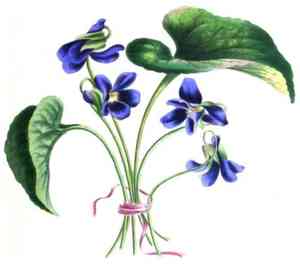
The plant features heart-shaped leaves and small white blossoms. Each flower petal displays delicate veining, often with a hint of purple. The plant's structure is not only visually appealing but also practical, as its low, spreading habit helps prevent soil erosion and retains moisture in the ground.
How Does Small white violet Benefit the Ecosystem?
Promoting Biodiversity
Small white violet plays a crucial role in fostering biodiversity. By providing ground cover, the plant offers a habitat for various insects, especially pollinators like bees and butterflies, which are vital for the pollination of nearby flora. This, in turn, supports a wide array of bird species and other wildlife, creating a balanced and flourishing ecosystem.
Improving Soil Health
The plant's root system is beneficial for soil health. Its rhizomes enhance soil structure, reduce erosion, and improve nutrient absorption. Furthermore, Small white violet contributes organic matter as it decomposes, enriching the soil with essential nutrients that promote the growth of other plant species in the area.
What Are the Health Benefits of Small white violet?
Mild Antiseptic Properties
Small white violet has been referenced in traditional practices for its gentle antiseptic qualities. When used appropriately, it can support skin health by offering a mild, natural method for cleansing minor cuts and abrasions. This makes Small white violet an environmentally friendly alternative to synthetic antiseptics in certain situations.
Potential Use in Skincare
Small white violet can be incorporated into natural skincare routines. Its mild properties make it suitable for sensitive skin, and it may help to soothe irritations and improve overall skin texture. The plant is often used in homemade balms and lotions, reflecting its gentle yet effective nature.
How Can You Cultivate Small white violet in Your Garden?
Optimal Conditions for Growth
Cultivating Small white violet in your garden can be a rewarding experience. The plant thrives best in shaded or partially shaded areas with moist, well-drained soil. It can often be found flourishing in similar conditions in the wild, such as alongside streams or in woodland undergrowth.
Planting and Maintenance Tips
Small white violet is relatively low-maintenance once established. To begin, plant rhizomes or young plants in early spring. Ensure the soil remains consistently moist, especially during dry periods. Mulching around the plants can help retain moisture and suppress weeds. Over time, the plant will spread and create an attractive ground cover.
What Role Does Small white violet Play in Cultural Practices?
Traditional Uses and Symbolism
Throughout history, Small white violet has been valued in various cultural practices. Its delicate white flowers have often been associated with purity and innocence. In some regions, the plant is used in traditional ceremonies and herbal remedies, showcasing its versatility and cultural significance.
In Art and Literature
Small white violet has also found its place in art and literature. Poets and artists have frequently drawn inspiration from its simple yet elegant beauty. The plant symbolizes tranquility and the unassuming charm of nature, making it a beloved subject in various creative works.



