The Prickly comfrey Plant Advantage: Maximizing Home and Office Appeal and Wellness
1
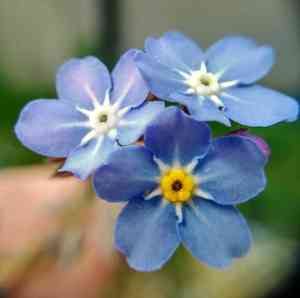
Comfrey, with its prickly leaves, enhances soil quality and stimulates plant development.
2
Prickly comfrey serves as an organic fertilizer and ground cover.
3
Prickly comfrey draws in helpful insects, boosting ecological variety.
Why is Prickly comfrey Beneficial for Soil Health?
Natural Fertilization
Prickly comfrey provides an excellent source of organic nutrients. Its decomposed foliage creates a rich, nutrient-dense compost when mixed into garden soil. This compost enhances soil structure, aeration, and moisture retention. Consequently, your plants receive vital nutrients, fostering healthier development without needing synthetic fertilizers.
Improving Soil Structure
By incorporating decomposed Prickly comfrey leaves into your garden beds, the soil's organic matter content increases. This not only enhances soil structure but also helps retain moisture more effectively. Improved soil structure ensures that plant roots penetrate easily, facilitating better nutrient absorption and stronger plant growth.
How Does Prickly comfrey Support Plant Growth?
Rich in Essential Nutrients
Prickly comfrey is abundant in vital nutrients like potassium, calcium, phosphorus, and nitrogen, which are crucial for plant development. When these nutrients are released into the soil, they act as natural growth stimulants for various plants, especially during their flowering and fruiting stages. This makes Prickly comfrey an excellent addition to gardens aiming for lush, productive plants.
Mulching and Weed Control
Utilizing Prickly comfrey as mulch is an effective method to conserve soil moisture and suppress weed growth. When applied around the base of plants, it forms a protective layer that reduces water evaporation and blocks sunlight from reaching weed seeds, thereby inhibiting their growth. This results in less competition for nutrients and resources, allowing your garden plants to thrive.
Can Prickly comfrey Attract Beneficial Insects?
Supporting Pollinators
Prickly comfrey produces attractive flowers that are highly appealing to pollinators such as bees and butterflies. By cultivating Prickly comfrey in your garden, you can create a sanctuary for these beneficial insects, which are essential for the pollination of many fruits and vegetables. This not only boosts your garden's productivity but also contributes to the health of local ecosystems.
Encouraging Biodiversity
In addition to attracting pollinators, Prickly comfrey can also offer habitat and food for other beneficial insects, such as ladybugs and hoverflies. These insects prey on common garden pests, helping to keep your garden naturally pest-free. By supporting a diverse range of insects, Prickly comfrey promotes a balanced and healthy garden environment.
What Are the Practical Uses of Prickly comfrey in the Home?
Natural Cleaning Agent
Beyond the garden, Prickly comfrey has applications within the home. Its natural compounds can be used to create eco-friendly cleaning agents. For instance, extracts from its leaves can be mixed with water and used as a mild antiseptic wash for countertops and surfaces, offering a green alternative to chemical cleaners.
Crafts and DIY Projects
The fibrous leaves and stems of Prickly comfrey can be utilized in various crafts and DIY projects. They can be dried and woven into baskets or used to create natural twine and ropes. This not only provides a fun and creative outlet but also emphasizes the versatility and sustainability of Prickly comfrey as a resource.
How to Grow and Care for Prickly comfrey?
Optimal Growing Conditions
Prickly comfrey thrives in well-drained soil with partial to full sunlight. Itâs a resilient plant that can tolerate various soil types, making it easy to cultivate in most climates. To ensure optimal growth, it's important to plant Prickly comfrey in a location that receives adequate sunlight and has good air circulation to prevent mold and mildew.
Propagation and Maintenance
Prickly comfrey can be easily propagated from root cuttings or seeds. When planting from root cuttings, ensure they are placed in moist soil and kept at a consistent temperature until they establish roots and new shoots. Regular maintenance includes watering during dry spells and periodic pruning to control its size and shape. With minimal effort, Prickly comfrey can become a low-maintenance yet highly beneficial addition to your garden.



