
Prickly comfrey (Symphytum asperum)
Also known as: Rough Comfrey, Prickly Comfrey, Hairy Comfrey
Symphytum asperum, commonly referred to as rough comfrey or prickly comfrey, belongs to the Boraginaceae family. Originating from the Caucasus region in Asia, it has been introduced to Europe and North America, where it occasionally becomes a weed.
In This Article
Attributes of Prickly comfrey
Lifespan
Perennial
Plant Type
Herb
Plant Height
61 cm to 1.2 m
Spread
1 to 2 feet (30 to 60 cm)
Leaf Color
Green
Flower Size
0.5 to 1 inch (1.3 to 2.5 cm)
Flower Color
Purple Pink Green Blue
Images of Prickly comfrey
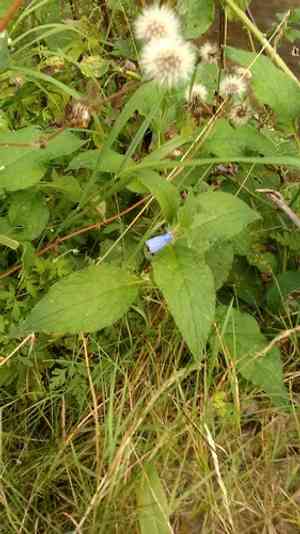
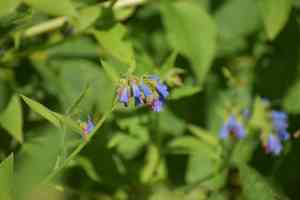
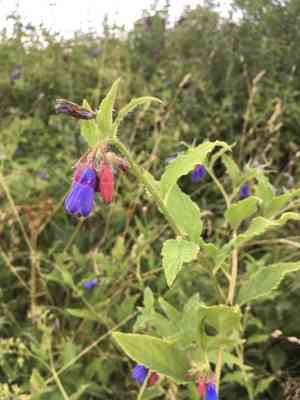
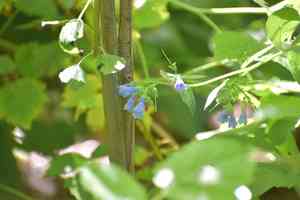
Quickly Identify Prickly comfrey
1
Identify Rough Comfrey by its rough, hairy leaves, which can be uncomfortable to touch. The plant produces clusters of bell-shaped flowers that are typically blue to purple in color. It also has a thick, black-rooted rhizome system.
Scientific Classification of Prickly comfrey
Phylum
Vascular plants
Class
Dicotyledons
Order
Boraginales
Family
Borage
Genus
Comfrey
Species
Prickly comfrey
Planting and Growing of Prickly comfrey
Care Difficulty
Easy
Watering Schedule
Every 3 days
Sunlight Requirements
Partial sun
Sunshine Duration
6-10 hours
Ideal Temperature
60-75℉
Soil Type
Potting Mix, Peat Mix
Soil pH
6.5-7.5
Fertilizer Type
Balanced
Pruning Season
Spring, Summer
Pruning Area
Branches, Leaves
Pruning Frequency
2 times a year
Repotting Season
Spring
Pot Type
Plastic, Ceramic
 How to Water Prickly comfrey?
For Symphytum asperum, aim to maintain evenly moist soil, avoiding waterlogging. You should saturate the soil enough to reach the root zone, approximately 500 milliliters each session. This ensures that the plant absorbs sufficient moisture without excess water lingering in the soil, which can lead to rot.
What are the symptoms of an underwatered Prickly comfrey?
›
What should I do if my Prickly comfrey is not getting enough water?
›
What are the symptoms of an overwatered Prickly comfrey?
›
How to save an overwatered Prickly comfrey?
›
 What Are the Sunlight Requirements for Prickly comfrey?
Symphytum asperum thrives under partial sun, ideally receiving 4 to 6 hours of filtered light per day. This balance ensures optimal photosynthesis and growth, preventing leaf burn while supporting lush foliage and flower development.
What kind of sunlight does Symphytum asperum need?
›
How can one achieve the ideal lighting conditions for Symphytum asperum?
›
What are the benefits of ideal lighting for Symphytum asperum?
›
 What Is the Ideal Temperature Range for Prickly comfrey?
The ideal temperature range for Symphytum asperum growth is between 60°F and 75°F. This range provides the best conditions for optimal growth, ensuring that the plant has enough warmth to promote photosynthesis while avoiding stress from excessive heat. Maintaining this temperature will help in thriving and flowering.
 What Soil is Best for Prickly comfrey?
For Symphytum asperum, nutrient-rich soil boosts healthy growth by providing essential minerals. A generous supply of nutrients encourages lush foliage and strong root development. This plant thrives in well-drained soil to prevent root rot. Proper drainage ensures that the roots are not waterlogged during heavy rains, preserving plant vitality. Symphytum asperum benefits from soil that retains appropriate moisture levels. Consistent moisture supports sustained growth and keeps the plant hydrated through dry spells.
 How to Fertilize Prickly comfrey?
For Symphytum asperum, fertilizer application should be moderate. Use a balanced liquid fertilizer diluted to half-strength, about 10ml per liter of water, applied evenly throughout the soil. For slow-release fertilizers, apply as per the package instructions, generally using about 50 grams per plant.
 How to Prune Prickly comfrey?
To effectively prune Symphytum asperum, start by identifying dead, damaged, or diseased stems. Use sharp, clean pruning shears to cut these stems back to a healthy bud or main stem. Next, thin out crowded areas to improve air circulation and prevent diseases. Aim to remove about a quarter to a third of the plant's older growth, promoting new, vigorous shoots. Always cut at a 45-degree angle to prevent water from accumulating on the cut surfaces.
More About Pruning Techniques→
 How to Propagate Prickly comfrey plant?
1
Collect seeds from mature Symphytum asperum plants, ensuring that they are fully dried. Clean the seeds by removing any debris or remaining plant material to increase the chances of successful germination.
2
Select a healthy, non-flowering stem from the plant and use sharp pruning shears to take a 10-15 cm cutting. Remove the lower leaves and any flowers to reduce water loss from the cutting.
3
Dig up a mature Symphytum asperum plant in spring and gently tease apart the roots. Make sure each division has some roots and shoots for successful reestablishment.
 How to Repot Prickly comfrey plant?
1
Look for signs like roots emerging from the pot's drainage holes, yellowing leaves, or stunted growth to know it's time for repotting. Ideal timing for Symphytum asperum is during spring when the plant is in its active growth phase, making it less stressful.
2
Opt for a pot that's 1-2 inches larger in diameter than the current one. A pot with adequate drainage holes is essential. The additional space allows roots to spread out without causing root-bound issues, promoting healthier growth.
3
Choose well-draining sandy loam to prevent waterlogged conditions, which can lead to root rot. This type of soil provides the necessary aeration and drainage, ensuring roots stay healthy and access vital nutrients efficiently.
Toxicity
Ingestion
WARNING
The judgment on toxicity and danger is for reference only. We DO NOT GUARANTEE any accuracy of such judgment. Therefore, you SHALL NOT rely on such judgment. It is IMPORTANT TO SEEK PROFESSIONAL ADVICE in advance when necessary.
Learn More About Prickly comfrey Diseases
Anthracnose
Bacterial Leaf Spot
Bacterial Soft Rot
Bacterial Wilt
Crown Gall
Cyst Nematode
Damping-off
Downy Mildew
Drought Stress
Fusarium Wilt
Gray Mold
Leaf Spot
Mosaic
Nutrient Deficiency
Nutrient Toxicity
Powdery Mildew
Root Rot
Root-knot Nematode
Rusts
Sooty Mold
Spider Mites
Temperature Stress
Thrips Damage
White Mold



