The Desert Yaupon Plant Advantage: Maximizing Home and Office Appeal and Wellness
1
Desert Yaupon flourishes in dry climates, making it well-suited for regions susceptible to drought.
2
This species provides considerable environmental advantages, including preventing soil erosion.
3
Desert Yaupon requires minimal upkeep, making it excellent for eco-friendly garden designs.
Why Desert Yaupon Thrives in Arid Climates
Resilience to Dry Conditions
Desert Yaupon is uniquely equipped to endure intense heat and limited water. Its deep root system enables it to access moisture from lower soil strata, making it resistant to extended dry spells. This resilience ensures Desert Yaupon can survive and flourish where many other plants cannot, making it an excellent choice for water-wise landscaping and other dryland projects.
Minimal Water Needs
Desert Yaupon requires very little irrigation once established, significantly reducing the need for frequent watering. This characteristic not only conserves water but also lowers maintenance efforts and expenses. For regions facing water scarcity, incorporating Desert Yaupon into the landscape can be a sustainable and environmentally friendly solution.
Environmental Advantages of Desert Yaupon
Soil Stabilization and Erosion Prevention
One of the notable ecological contributions of Desert Yaupon is its capacity to stabilize soil. Its extensive root network binds soil particles together, preventing erosion caused by wind and water. This is particularly beneficial in desert regions where soil erosion can severely impact the ecosystem and human activities.
Wildlife Habitat
Desert Yaupon offers shelter and sustenance for various wildlife. Birds, in particular, are drawn to its berries, while small mammals and insects find refuge in its foliage. By planting Desert Yaupon, landowners and conservationists can support local biodiversity and foster more balanced ecosystems.
Practical Applications of Desert Yaupon in Landscaping
Effortless Gardening
For homeowners and landscapers seeking low-maintenance plants, Desert Yaupon is an ideal choice. It demands minimal care, which includes occasional trimming and infrequent watering. This makes it a practical option for sustainable gardens, reducing the time and resources needed for upkeep.
Visual Appeal
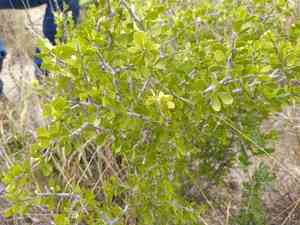
Desert Yaupon adds visual interest to landscapes with its evergreen leaves and vibrant berries. It can be used as a focal point or as part of a mixed border. Its aesthetic versatility allows it to fit into various design styles, from naturalistic to formal gardens, enhancing property value and curb appeal.
Conservation and Restoration Initiatives
Rehabilitation of Damaged Lands
Desert Yaupon is often utilized in conservation and restoration efforts to rehabilitate degraded lands. Its vigorous growth and soil-binding properties make it effective in reestablishing plant cover in areas affected by desertification or overgrazing. Employing Desert Yaupon can help restore ecological balance and promote the recovery of native plant communities.
Mitigating Desertification
With desertification being a significant environmental challenge, Desert Yaupon plays a crucial role in combating this issue. By planting Desert Yaupon, conservationists can create green barriers that slow down the spread of deserts, protect agricultural lands, and improve the resilience of local ecosystems against climate change effects.



