The Guyanese arrowhead Plant Advantage: Maximizing Home and Office Appeal and Wellness
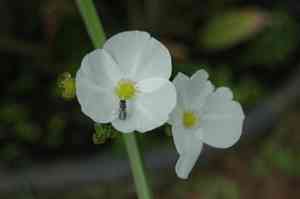
1
Guyanese arrowhead flourishes in aquatic environments, establishing it as a distinct water-dwelling flora.
2
It offers living spaces for diverse water-based creatures and improves the purity of water.
3
Its root system aids in preventing soil degradation in marshy regions.
What Makes Guyanese arrowhead Unique?
Adaptation to Aquatic Environments
A notable characteristic of Guyanese arrowhead is its capacity to adjust to diverse water habitats. This plant thrives in both slow-moving rivers and still water bodies like swamps and marshes. Its ability to flourish in these conditions makes it an excellent option for wetland restoration initiatives. The plant's submerged and emergent forms offer varied living spaces for aquatic creatures, including insects, fish, and amphibians.
Ecological Importance
Guyanese arrowhead plays a vital role in its ecosystem by helping to stabilize soil and lessen erosion in wetland regions. Its extensive root system binds the soil, preventing its displacement during heavy rainfall or floods. Furthermore, the plant contributes to overall water quality by absorbing surplus nutrients and contaminants from the water, thereby preventing eutrophication.
How Does Guyanese arrowhead Support Biodiversity?
Habitat Provision for Wildlife
The dense growth of Guyanese arrowhead provides refuge and breeding sites for a variety of aquatic organisms. Fish and amphibians are known to utilize the plant beds for egg-laying and predator avoidance. Insects like dragonflies and damselflies frequently inhabit these areas, further enriching the local biodiversity. Birds also benefit from Guyanese arrowhead, often using the plant-covered waters for hunting fish and other small aquatic animals.
Attracting Pollinators
Guyanese arrowhead blossoms draw in various pollinators, including bees and butterflies. These pollinators are crucial for the reproduction of many plant species and contribute to the overall environmental health. The presence of such pollinators helps sustain the area's biodiversity, making Guyanese arrowhead a valuable part of the ecosystem.
Can Guyanese arrowhead Improve Water Quality?
Natural Filtration System
Guyanese arrowhead functions as a natural water filter by taking in excess nutrients and pollutants from its surroundings. This absorption helps maintain the nutrient balance in the water, reducing the risk of algal blooms which can deplete oxygen levels and harm aquatic life. The plant's roots also trap sediments, preventing them from clouding the water and degrading habitat quality for other organisms.
Pest Control
By providing habitat and breeding grounds for various predatory insects and amphibians, Guyanese arrowhead aids in naturally controlling pest populations. For instance, dragonfly larvae residing in these plants are known to consume mosquito larvae, thus decreasing the number of these pests in the area. This natural pest control is an eco-friendly alternative to chemical pesticides, making Guyanese arrowhead beneficial not only for the environment but also for nearby human populations.
How Can Guyanese arrowhead Aid in Flood Control?
Water Absorption and Storage
Guyanese arrowhead is highly effective at absorbing and retaining water. This characteristic is particularly useful in flood-prone areas, where the plant can help to lessen the impact of flooding by taking in surplus water. The extensive root systems of Guyanese arrowhead hold water and release it gradually, reducing the surge of floodwaters and thereby minimizing damage to surrounding lands.
Barrier Against Erosion
The robust root networks of Guyanese arrowhead also serve as a barrier against soil erosion. By firmly anchoring the soil, the plant prevents it from being washed away during heavy rains or floods. This erosion control is vital for maintaining the integrity of wetlands and other aquatic ecosystems, ensuring their continued effective functioning.



