The Rio grande palmetto Plant Advantage: Maximizing Home and Office Appeal and Wellness
1
Rio grande palmetto offers crucial shelter and sustenance for local fauna.
2
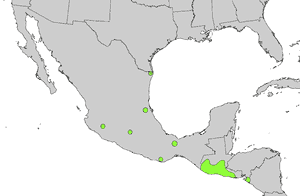
This plant flourishes across diverse soil compositions and environments.
3
It is valued for its visual charm in garden design.
Why is Rio grande palmetto Important for Wildlife?
Providing Shelter and Nesting Sites
Rio grande palmetto is vital for offering refuge to numerous bird species, mammals, and insects. Its robust fronds and dense growth create secure nesting locations, safeguarding inhabitants from predators and harsh weather. This protection is especially crucial during breeding seasons when the safety of young wildlife is paramount.
A Reliable Food Source
The berries produced by Rio grande palmetto serve as a significant nutritional source for various animals. Birds like doves and warblers frequently visit, consuming the nutrient-rich fruits. Additionally, ground-dwelling creatures can forage among the fallen berries, ensuring a consistent food supply throughout the year.
What Makes Rio grande palmetto Ideal for Landscaping?
Aesthetic Appeal
Rio grande palmetto is prized for its striking look, featuring long, fan-shaped fronds that bring a tropical feel to any landscape. This visual charm makes it a popular choice for gardens, parks, and urban green areas. Its ability to integrate well with other plants further boosts its appeal for landscape designers.
Low Maintenance
A key advantage of Rio grande palmetto is its minimal care requirements. It is highly resistant to pests and diseases, reducing the need for chemical treatments. Moreover, its drought-tolerant nature makes it an excellent option for regions prone to water scarcity, supporting sustainable gardening practices.
How Does Rio grande palmetto Contribute to Soil Health?
Erosion Control
The extensive root system of Rio grande palmetto helps stabilize soil and prevent erosion. This is particularly useful in areas with loose or sandy soils, where water runoff can cause degradation. By anchoring the soil, Rio grande palmetto helps maintain landscape integrity and fosters healthier plant communities.
Nutrient Recycling
As part of its natural life cycle, the fronds of Rio grande palmetto eventually drop to the ground, decomposing and returning essential nutrients to the soil. This organic matter enriches the soil, creating a fertile environment for other plants to flourish. Such nutrient cycling is a core element of sustainable ecosystem management.
What Are the Climate Adaptation Benefits of Rio grande palmetto?
Heat and Cold Tolerance
Rio grande palmetto displays remarkable resilience to a broad range of temperatures. It can endure extreme heat as well as short periods of cold, making it adaptable to various climatic conditions. This hardiness ensures it can thrive in diverse geographical regions, contributing to ecological stability.
Carbon Sequestration
Like many plants, Rio grande palmetto plays a role in carbon sequestration, absorbing carbon dioxide during photosynthesis and releasing oxygen. This process helps lessen the effects of climate change by reducing greenhouse gases in the atmosphere. By planting Rio grande palmetto, we support efforts to combat global warming.
How Can Rio grande palmetto Enhance Urban Environments?
Improving Air Quality
Urban areas often suffer from poor air quality due to pollution. Rio grande palmetto can help enhance air quality by filtering out pollutants and particulates. Its large fronds act as natural air purifiers, capturing dust and absorbing harmful gases, thus contributing to healthier urban atmospheres.
Enhancing Green Spaces
Integrating Rio grande palmetto into urban green spaces can offer residents aesthetic and recreational advantages. Its presence in parks and public areas provides natural beauty, promotes mental well-being, and encourages outdoor activities. The plantâs durability also ensures it can withstand the challenges of urban environments.



