Rio grande palmetto (Sabal mexicana)
Also known as: Texas palmetto, Palmito mexicano, Palmetto
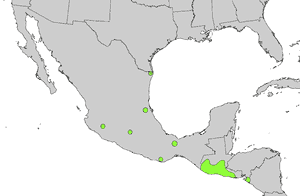
The Rio Grande palmetto (Sabal mexicana) is a prominent fan palm found from the southern United States to Central America. This palm can grow up to heights of 40 to 60 feet (12 to 18 meters) and is notably prevalent throughout Mexico. Its popularity as an ornamental plant is due to its resilience against drought and high temperatures. Additionally, the wood of the Rio Grande palmetto is highly resistant to decay and pests, making it durable even in challenging environments. This combination of aesthetic appeal and robust nature makes it a favored choice in both landscaping and practical applications.
In This Article
Attributes of Rio grande palmetto
Lifespan
Perennial
Plant Type
Tree
Plant Height
18 m
Spread
4 m
Leaf Color
Green Yellow
Flower Size
Small, about 0.5 inches (1 cm)
Flower Color
White Cream
Images of Rio grande palmetto
Quickly Identify Rio grande palmetto
1
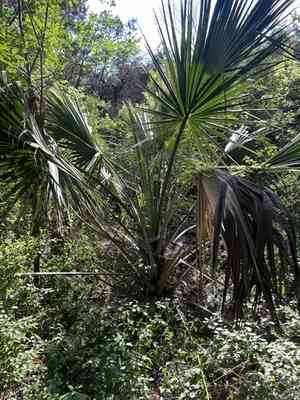
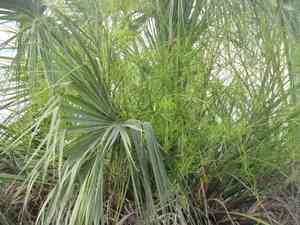
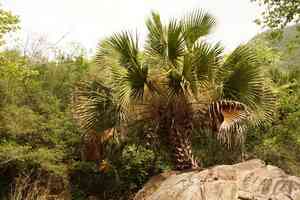
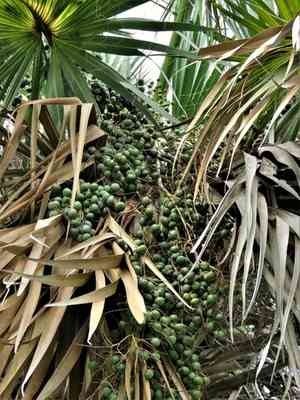
Identify Sabal mexicana by its fan-shaped, evergreen fronds that are deeply divided into segments. The trunk is usually stout and can reach considerable heights, while the leaf bases form a crisscross pattern as they degrade.
Scientific Classification of Rio grande palmetto
Phylum
Vascular plants
Class
Monocotyledons
Order
Arecales
Family
Palm
Genus
Palmettos
Species
Rio grande palmetto
Planting and Growing of Rio grande palmetto
Care Difficulty
Easy
Watering Schedule
Every 2 days
Sunlight Requirements
Full sun
Sunshine Duration
6-10 hours
Ideal Temperature
65-85℉
Soil Type
Potting Mix, Peat Mix
Soil pH
6.5-7.5
Fertilizer Type
Balanced
Pruning Season
Spring, Summer
Pruning Area
Branches, Leaves
Pruning Frequency
2 times a year
Repotting Season
Spring
Pot Type
Plastic, Ceramic
 How to Water Rio grande palmetto?
For Sabal mexicana, water until the soil is thoroughly moist and excess begins to drain from the pot. Use about 1000 milliliters each time to ensure the roots are properly hydrated. This palm prefers moist conditions but can tolerate some dryness.
What are the symptoms of an underwatered Rio grande palmetto?
›
What should I do if my Rio grande palmetto is not getting enough water?
›
What are the symptoms of an overwatered Rio grande palmetto?
›
How to save an overwatered Rio grande palmetto?
›
 What Are the Sunlight Requirements for Rio grande palmetto?
The ideal light range for Sabal mexicana is partial to full sunlight, offering it 6 to 8 hours of sunlight. Ideal lighting aids in vigorous growth, enhancing its natural resilience and aesthetic appeal.
What is the best lighting condition for Sabal mexicana?
›
How can you achieve ideal lighting for Sabal mexicana?
›
What are the benefits of ideal lighting for Sabal mexicana?
›
 What Is the Ideal Temperature Range for Rio grande palmetto?
For optimal growth, Sabal mexicana thrives in an environment where temperatures are consistently between 65°F and 85°F. This range of temperatures provides the palm with the warmth necessary for healthy cellular processes while ensuring the plant does not suffer from heat stress.
 What Soil is Best for Rio grande palmetto?
Sabal mexicana thrives in well-draining soil conditions. This prevents waterlogging, which can lead to root rot. A soil mix that ensures quick drainage while retaining essential nutrients is ideal for the optimal growth of this palm. A nutrient-rich soil provides the necessary minerals and elements needed for Sabal mexicana to grow robustly. This means incorporating organic matter such as compost or well-rotted manure to enhance soil fertility. Proper aeration in the soil is crucial for Sabal mexicana, as it allows the roots to access oxygen efficiently. This can be achieved by ensuring the soil is loose and not compacted, thus facilitating better root development and function.
 How to Fertilize Rio grande palmetto?
For Sabal mexicana, the recommended amount of fertilizer is typically light. When applying liquid fertilizer, dilute it to half strength to avoid root burn and ensure balanced nutrient uptake. For solid, slow-release types, use about 1-2 pounds per year, distributed evenly over the root zone.
 How to Prune Rio grande palmetto?
Begin by identifying any dead or brown fronds. These can be pruned close to the trunk without causing harm. Use a pair of sharp pruning shears to make clean cuts, and always cut fronds at an angle to prevent water from pooling, which can cause rot. Focus on removing only the lower fronds to keep the plant looking neat while maintaining its fan-like shape. Avoid removing too many green fronds, as these are crucial for photosynthesis and the overall health of the palm.
More About Pruning Techniques→
 How to Propagate Rio grande palmetto plant?
1
Collect mature seeds from a healthy Sabal mexicana plant. Ensure seeds are fully ripened, usually indicated by a dark brown or black color.
2
Before sowing, soak the seeds in warm water for 24 to 48 hours to soften the seed coat and promote faster germination.
3
Place the prepared seeds in the seed tray, about an inch apart, and cover them lightly with the potting mix. Water gently and ensure the mix remains moist but not waterlogged.
 How to Repot Rio grande palmetto plant?
1
Sabal mexicana should be repotted when you notice roots growing out of the bottom of the pot or the plant appears top-heavy. Ideally, repot in warmer months, as this palm responds well to the growing conditions of spring and summer. Delayed growth and pale foliage are signals that the plant is struggling and might need more space.
2
Choose a pot that is 2-3 inches larger in diameter than the current pot, preferably with drainage holes at the bottom for optimal water flow. A slightly larger pot encourages healthy root expansion without overwhelming the plant, prevents water logging, and reduces the risk of root rot.
3
Select a soil mix that is light and airy, allowing for good drainage and aeration. A blend of coarse sand, perlite, and organic compost works wonders for Sabal mexicana, providing the roots with enough space to breathe and access nutrients efficiently.



