The Great water dock Plant Advantage: Maximizing Home and Office Appeal and Wellness
1
Abundant in vital elements crucial for plant development.
2
Aids in controlling soil degradation near aquatic environments.
3
Encourages diverse life forms by offering a home to different water-dwelling creatures.
What Are the Nutritional Benefits of Great water dock?
Nutrient Enrichment
Great water dock is rich in vital nutrients that significantly enhance the health of nearby plants. Upon decomposition, it releases a potent blend of organic matter, including key nutrients such as nitrogen, phosphorus, and potassium. These elements foster healthier, more vibrant garden plants by boosting soil fertility.
Composting Potential
Beyond its natural soil enrichment, Great water dock serves as a valuable addition to your compost pile. Its high nutrient content makes it an excellent ingredient for creating fertile compost, thereby further improving soil health and supporting vigorous plant growth.
How Great water dock Helps in Soil Erosion Management
Erosion Control Along Waterbodies
Great water dock's root system is particularly effective at preventing soil erosion along the edges of rivers, ponds, and other aquatic environments. The plantâs deep roots stabilize the soil, reducing erosion and preventing sediment buildup in water ecosystems. This naturally supports the health and longevity of water bodies by maintaining clear water and stable banks.
Strengthening Shorelines
In addition to preventing soil erosion, Great water dock also aids in reinforcing shorelines. By stabilizing the soil, the plant strengthens the physical structure of the bank, decreasing the risk of land slippage and damage from water currents. This makes Great water dock an invaluable asset in managing and protecting riparian zones.
What Role Does Great water dock Play in Biodiversity?
Habitat for Aquatic Species
Great water dock plays a vital role in promoting biodiversity by offering a habitat for various aquatic creatures. The plantâs dense foliage and root systems provide shelter and breeding grounds for fish, amphibians, and invertebrates, contributing to the ecological diversity of water bodies. This makes it an essential component of thriving aquatic ecosystems.
Encouraging Pollinators
Beyond its aquatic advantages, Great water dock can also draw pollinators to your garden. Its blossoms are a source of nectar for bees, butterflies, and other pollinators. By attracting these pollinators, Great water dock helps boost the productivity and health of surrounding plants, leading to a more vibrant and dynamic garden environment.
What Are the Aesthetic Benefits of Great water dock?
Enhancing Garden Beauty
With its large leaves and graceful form, Great water dock can significantly improve the visual appeal of your garden. Its lush, green foliage adds a touch of wildness and natural beauty to any landscape. Furthermore, its presence near water bodies creates a tranquil and picturesque setting, making it a favorite among garden designers and landscapers.
Seasonal Interest
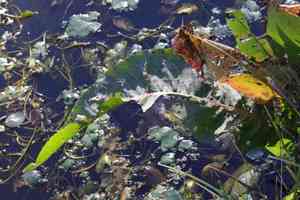
Great water dock offers year-round appeal with its changing foliage and bloom cycles. In spring and summer, it displays vibrant green leaves and flowers, while in autumn, its leaves may change colors, adding to the seasonal charm of your garden. This continuous transformation keeps your garden dynamic and engaging throughout the year.
How to Integrate Great water dock into Your Garden
Ideal Conditions for Growth
Great water dock thrives in wet, marshy conditions and is best suited for areas near ponds, rivers, or other water bodies. It prefers full to partial sunlight and can tolerate various soil types, making it a versatile choice for diverse garden settings. Ensuring adequate water is crucial for its successful growth.
Companion Planting
To maximize the advantages of Great water dock, consider companion planting. Pair it with other water-loving plants like willows or certain grasses to create a diverse and robust garden environment. This not only enhances the ecological balance of your garden but also supports a broader range of wildlife and plant health.



