
Great water dock (Rumex hydrolapathum)
Also known as: Great Water Dock
Great water dock is a tall, robust perennial herb with broad, lance-shaped leaves and distinctively reddish-brown whorled flower clusters. Commonly found by riversides, great water dock thrives in wetland habitats. Its dense flower spikes are particularly prominent during the summer and can reach impressive heights, contributing to its striking appearance.
In This Article
Attributes of Great water dock
Lifespan
Perennial
Plant Type
Herb
Plant Height
1 m to 2.5 m
Spread
Approximately 50 to 100 cm
Leaf Color
Green
Flower Size
5 mm
Flower Color
Green
Images of Great water dock
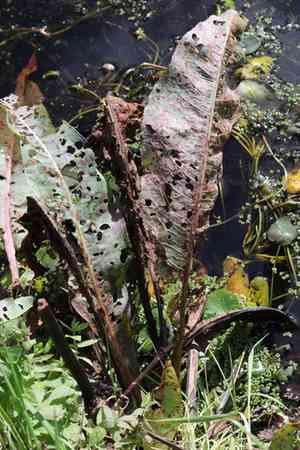
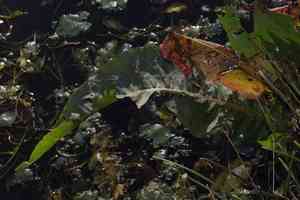
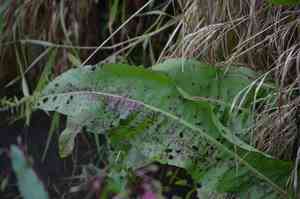
Quickly Identify Great water dock
1
This plant can be identified by its large, broad leaves that can grow up to 50 cm in length. Look for the tall, erect flower spikes that can reach up to 2 meters in height. The flowers are initially greenish but become reddish-brown as they age.
Scientific Classification of Great water dock
Phylum
Vascular plants
Class
Dicotyledons
Order
Caryophyllales
Family
Buckwheat
Genus
Docks
Species
Great water dock
Planting and Growing of Great water dock
Care Difficulty
Easy
Watering Schedule
Every 4 days
Sunlight Requirements
Full sun
Sunshine Duration
6-10 hours
Ideal Temperature
60-75℉
Soil Type
Potting Mix, Peat Mix
Soil pH
6-8
Fertilizer Type
Balanced
Pruning Season
Spring, Summer
Pruning Area
Branches, Leaves
Pruning Frequency
2 times a year
Repotting Season
Spring
Pot Type
Plastic, Ceramic
 How to Water Great water dock?
Rumex hydrolapathum require about 500 ml of water every watering time. They enjoy well-drained soil, so ensure the water gets through the root zone. After watering, check to see if the top 2-4 inches of soil are moist. The 'deluge and drought' approach echoes the natural habitat of this species, with a thorough soaking of the roots and then a period of drying out.
What are the symptoms of an underwatered Great water dock?
›
What should I do if my Great water dock is not getting enough water?
›
What are the symptoms of an overwatered Great water dock?
›
How to save an overwatered Great water dock?
›
 What Are the Sunlight Requirements for Great water dock?
The ideal light range for Rumex hydrolapathum is 6 to 8 hours of a combination of direct and indirect light daily. This enhances photosynthesis leading to vigorous growth, richer leaf color and better flowering.
More About Sunlight Requirements Techniques→
Ideal light exposure quantity
›
Ideal light exposure quality
›
Benefit of ideal lighting
›
 What Is the Ideal Temperature Range for Great water dock?
Rumex hydrolapathum, also known as the Water Dock, flourishes best in a temperature range of 60 to 75 degrees Fahrenheit. The plant prefers moderate climates and it grows robustly in these warm conditions. Temperatures below or above this range may hinder growth and development.
 What Soil is Best for Great water dock?
Rumex hydrolapathum thrives in soil that is rich in nutrients. It would greatly benefit from a well-fertilized soil that can supply all the necessary nutrients it needs for optimal growth. This plant does not like to have 'wet feet'. The soil must be well-drained to prevent root rot which can severely harm or even kill the plant. Being a large and tall plant, it prefers a deep soil. This allows for the development and spread of its root system, providing stability and enabling it to soak up sufficient nutrients.
 How to Fertilize Great water dock?
Rumex hydrolapathum thrives on moderate feeding. Apply 1 tablespoon of liquid fertilizer diluted in 1 gallon of water every 2 weeks during the growing season, or a slow-release granular fertilizer at the beginning of growing season, at mid-summer and in early autumn.
 How to Prune Great water dock?
Begin by cleaning your pruning tools to ensure no disease is transferred. Inspect thoroughly and remove any dead or yellowing leaves. Look for sections that appear overcrowded and trim some to allow light penetration. Make sure to prune back to a main stem, and avoid leaving stubs as they may lead to diseases. Always cut at a 45 degree angle to prevent water damage.
More About Pruning Techniques→
 How to Propagate Great water dock plant?
1
Scatter seeds across moist seed trays and lightly cover with a layer of soil.
2
Carefully divid the parent plant's root system using a sharp and clean garden spade, making sure each division has a portion of the root.
3
Plant divisions at the same soil level as the parent plant, water thoroughly post planting.
 How to Repot Great water dock plant?
1
Rumex hydrolapathum, also known as water dock, signals the need for repotting usually during late spring and early summer when its roots start to crowd the pot. Watch out for signs like slowed growth and discoloration of leaves.
2
Choose a well-drained pot that is 1-2 sizes larger than its current one. A larger pot allows for optimal root development, leading to healthier plant growth. A pot with drainage holes is a must to prevent water logging.
3
Water dock thrives best in loamy, well-drained soil that is rich in organic matter. Such soil provides both good drainage and sufficient nutrients for the plant's growth and development.
Toxicity
Ingestion
WARNING
The judgment on toxicity and danger is for reference only. We DO NOT GUARANTEE any accuracy of such judgment. Therefore, you SHALL NOT rely on such judgment. It is IMPORTANT TO SEEK PROFESSIONAL ADVICE in advance when necessary.
Learn More About Great water dock Diseases
Anthracnose
Bacterial Leaf Spot
Bacterial Soft Rot
Chemical Injury
Damping-off
Downy Mildew
Drought Stress
Fusarium Wilt
Gray Mold
Leaf Spot
Mosaic
Nutrient Deficiency
Nutrient Toxicity
Powdery Mildew
Root Rot
Root-knot Nematode
Rusts
Sooty Mold
Spider Mites
Temperature Stress
Thrips Damage
White Mold



