The Stalked wild petunia Plant Advantage: Maximizing Home and Office Appeal and Wellness
1
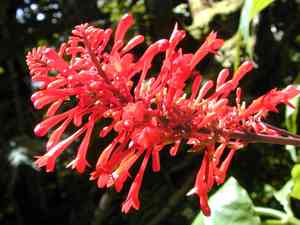
Stalked wild petunia is celebrated for its vivid and striking blooms, making it a favored selection for landscapes.
2
This flora flourishes in diverse soil conditions and demands little upkeep.
3
Stalked wild petunia provides considerable environmental advantages, drawing in pollinators and bolstering regional biodiversity.
Why Incorporate Stalked Wild Petunia into Your Garden?
Visual Charm
Stalked wild petunia is prized for its vivid blossoms, appearing in hues of purple, pink, and blue. These striking flowers bloom profusely, offering a burst of color that can brighten any garden area. The strong contrast between the flowers and the plant's rich green foliage creates an appealing visual effect that can elevate your garden's overall beauty.
Minimal Upkeep Needs
A key characteristic of Stalked wild petunia is its robust nature and low maintenance demands. This plant thrives in various soil types, including sandy and well-drained ones, requiring little intervention. It is drought-tolerant and can endure periods of neglect, making it an excellent choice for both new and seasoned gardeners. With Stalked wild petunia, you can enjoy a beautiful garden without constant attention.
What Environmental Advantages Does Stalked Wild Petunia Provide?
Pollinator Support
Stalked wild petunia plays a vital role in aiding pollinators like bees, butterflies, and hummingbirds. Its vibrant flowers produce nectar that attracts these crucial pollinators, helping to sustain their populations. By planting Stalked wild petunia in your garden, you contribute to the health and diversity of local pollinator communities, which are essential for the pollination of various crops and plants.
Boosting Local Biodiversity
Beyond supporting pollinators, Stalked wild petunia enhances overall biodiversity in your garden. This plant offers habitat and food sources for various insects and small wildlife, fostering a balanced and flourishing ecosystem. By cultivating Stalked wild petunia, you can create a mini-habitat that encourages the presence of beneficial insects and animals, promoting a healthier and more resilient garden environment.
How Does Stalked Wild Petunia Adapt to Diverse Environments?
Flexible Growing Conditions
Stalked wild petunia's ability to adapt to different growing conditions makes it a versatile option for gardeners. This plant can thrive in both full sun and partial shade, allowing for flexible placement in your garden. Its tolerance to various temperatures and humidity levels further enhances its suitability for diverse climates.
Resistance to Pests and Diseases
Stalked wild petunia is also known for its resistance to common pests and diseases, reducing the need for chemical interventions. This natural resilience not only simplifies gardening but also supports organic gardening practices. With Stalked wild petunia, you can maintain a healthy garden without relying on synthetic pesticides or fungicides, promoting a more sustainable and eco-friendly approach to gardening.
What Are the Optimal Methods for Growing Stalked Wild Petunia?
Planting and Soil Preparation
To ensure the success of Stalked wild petunia in your garden, it is crucial to select an appropriate planting site and prepare the soil adequately. Choose a location that receives sufficient sunlight and has well-drained soil. If your soil is heavy or clay-like, consider amending it with organic matter to improve drainage. Plant Stalked wild petunia at the right depth, ensuring the roots are well-covered and the plant is securely anchored.
Watering and Fertilization
Stalked wild petunia requires moderate watering, especially during its initial establishment period. Once established, it can tolerate dry conditions, but occasional watering during arid spells will encourage better blooming. Fertilization is generally unnecessary for Stalked wild petunia, but a light application of balanced fertilizer in spring can provide an extra boost. Be cautious not to over-fertilize, as this can lead to excessive foliage growth at the expense of blooms.



