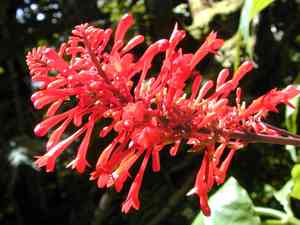
Stalked wild petunia (Ruellia pedunculata)
Also known as: Stalked ruellia
Ruellia caroliniensis, also known as the Carolina wild petunia, is a wild petunia species native to the southeastern United States. It blooms in the spring with blue or violet flowers and has light green leaves.
In This Article
Attributes of Stalked wild petunia
Lifespan
Perennial
Plant Type
Herb
Plant Height
2 to 3 feet
Spread
1 to 2 feet
Leaf Color
Green
Flower Size
1 to 2 inches
Flower Color
Purple to blue
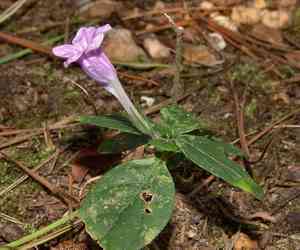
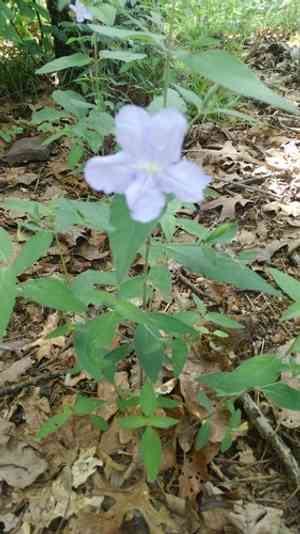
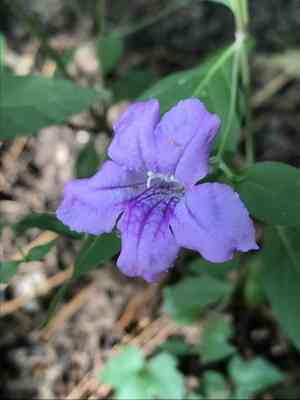
Images of Stalked wild petunia
Quickly Identify Stalked wild petunia
1
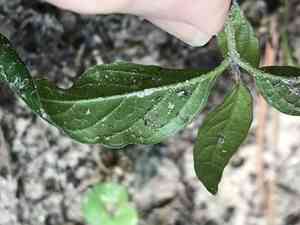
Ruellia pedunculata can be identified by its tubular flowers, which range from purple to blue, and its opposite leaves. The plant typically has a bushy appearance and may grow to a height of 2 to 3 feet.
Scientific Classification of Stalked wild petunia
Phylum
Vascular plants
Class
Dicotyledons
Order
Lamiales
Family
Acanthus
Genus
Wild petunias
Species
Stalked wild petunia
Planting and Growing of Stalked wild petunia
Care Difficulty
Easy
Watering Schedule
Every 4 days
Sunlight Requirements
Partial sun
Sunshine Duration
4-8 hours
Ideal Temperature
65-75℉
Soil Type
Potting Mix, Peat Mix
Soil pH
6.5-7.5
Fertilizer Type
Balanced
Pruning Season
Spring, Summer
Pruning Area
Branches, Leaves
Pruning Frequency
2 times a year
Repotting Season
Spring
Pot Type
Plastic, Terracotta
 How to Water Stalked wild petunia?
Ruellia pedunculata requires watering until the soil is evenly moist but not waterlogged. The thumb rule is to water it thoroughly when the top inch of the soil feels dry to the touch. A consistent and moderate amount of approximately 200 ml per session should keep it healthy.
What are the symptoms of an underwatered Stalked wild petunia?
›
What should I do if my Stalked wild petunia is not getting enough water?
›
What are the symptoms of an overwatered Stalked wild petunia?
›
How to save an overwatered Stalked wild petunia?
›
 What Are the Sunlight Requirements for Stalked wild petunia?
Partial sunlight is recommended, which ensures flourishing plant life and promotes vigorous blooming and robust leaf development.
Optimal Sunlight Amount
›
Solutions for Ideal Light
›
Benefits of Ideal Conditions
›
 What Is the Ideal Temperature Range for Stalked wild petunia?
For Ruellia pedunculata to thrive, it is crucial to maintain an ideal temperature range between 65°F and 75°F. This ensures optimal growth and flowering, providing the plant with a warm environment that mimics its natural habitat. Daytime temperatures in the lower 70s are particularly beneficial, promoting photosynthesis and overall plant vitality.
 What Soil is Best for Stalked wild petunia?
Ruellia pedunculata thrives in well-draining soil, which prevents waterlogging and root rot, promoting healthy growth by allowing air circulation around the roots. A nutrient-rich loam provides essential minerals, supporting robust foliage and vibrant flowers. This balanced medium ensures the plant receives adequate nutrients without excess. This plant prefers a slightly acidic to neutral pH range, which aids in the optimal uptake of essential nutrients, ensuring vibrant health and color.
 How to Fertilize Stalked wild petunia?
Ruellia pedunculata, commonly known as the wild petunia, benefits from moderate feeding. Use a balanced liquid fertilizer mixed at half the recommended strength, approximately every two weeks during the growing season to encourage healthy foliage and vibrant blooms.
 How to Prune Stalked wild petunia?
Start by identifying any dead or diseased branches; remove these first to maintain plant health. Use sharp, clean pruning shears to make clean cuts just above a node to promote regrowth. Focus on shaping the plant to maintain its desired size and form, gradually removing about a third of the oldest or longest stems. Pay attention to the overall appearance and symmetry of the plant as you prune.
 How to Propagate Stalked wild petunia plant?
1
Collect seeds from mature Ruellia pedunculata plants after the flowering season. Clean the seeds by removing pulp and debris, and then let them dry for a few days before planting.
2
Select healthy, non-flowering stems about 4-6 inches long. Cut just below a node and remove any leaves from the lower half to reduce moisture loss.
3
Carefully dig up mature plants in spring. Use a sharp knife to divide the root ball into sections, each with sufficient roots and stems for successful replanting.
 How to Repot Stalked wild petunia plant?
1
Ruellia pedunculata typically needs repotting when you notice its roots peeking through the drainage holes, indicating that it has outgrown its current home. Spring and early summer are the ideal seasons for repotting as the plant is actively growing and can recover quickly from the stress associated with the move.
2
Choose a pot that is 1-2 inches larger in diameter than the current one. Ensure it has sufficient drainage holes at the bottom to prevent waterlogging, which can lead to root rot. A slightly larger pot will provide ample space for root expansion, promoting healthier growth and reducing the frequency of repotting.
3
Opt for a well-draining potting mix that retains some moisture without becoming soggy. A mix with a blend of peat, perlite, and pine bark is ideal. This combination ensures proper aeration, prevents waterlogging, and provides the necessary nutrients for Ruellia pedunculata’s growth, encouraging a lush, vibrant appearance.
Toxicity
Ingestion, Contact with sap
WARNING
The judgment on toxicity and danger is for reference only. We DO NOT GUARANTEE any accuracy of such judgment. Therefore, you SHALL NOT rely on such judgment. It is IMPORTANT TO SEEK PROFESSIONAL ADVICE in advance when necessary.



