The Garden dewberry Plant Advantage: Maximizing Home and Office Appeal and Wellness
1
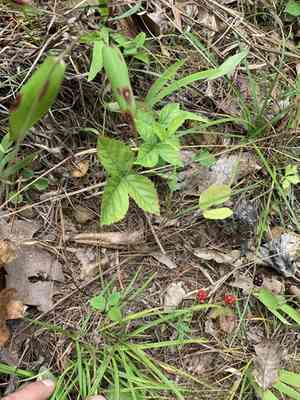
Garden dewberry is a hardy plant that thrives in diverse soil conditions.
2
The fruits of Garden dewberry are packed with antioxidants that support general well-being.
3
Garden dewberry offers a superb environment for native animals, boosting ecological variety.
Wellness Advantages of Garden dewberry
Why is Garden dewberry considered a nutritional powerhouse?
A key characteristic of Garden dewberry is its high concentration of antioxidants. These fruits are abundant in vitamins A, C, and E, which are vital for safeguarding our cells from oxidative damage. Antioxidants are known to support skin vitality, strengthen the immune system, and reduce inflammation. Furthermore, Garden dewberry is an excellent source of dietary fiber, aiding digestion and promoting cardiovascular wellness.
Can Garden dewberry be incorporated into a balanced diet?
Indeed, integrating Garden dewberry into your eating plan can be highly advantageous. The berries can be eaten fresh, mixed into salads, or blended into smoothies. Their inherent sweetness and low caloric content make them an ideal snack for individuals aiming to maintain a healthy weight. Additionally, the significant fiber content assists in stabilizing blood sugar levels, making it a beneficial option for those managing diabetes.
Ecological Impact of Garden dewberry
How does Garden dewberry benefit local wildlife?
Garden dewberry plays a crucial role in supporting local ecosystems. Its thick foliage and spiny stems offer refuge for various small animals and birds. The berries serve as a food source for wildlife, helping to sustain populations of insects, birds, and certain mammals. By cultivating Garden dewberry in your garden, you contribute to biodiversity and foster a more balanced and flourishing ecosystem.
Is Garden dewberry advantageous for soil quality?
Absolutely, Garden dewberry significantly enhances soil health. Its extensive root system helps prevent soil erosion by stabilizing the soil structure. Moreover, the plant improves soil fertility through the natural decomposition of its leaves and branches, enriching the soil with organic matter. This makes Garden dewberry an excellent plant for sustainable landscaping practices.
Cultivation and Upkeep of Garden dewberry
What are the ideal growing conditions for Garden dewberry?
Garden dewberry is remarkably adaptable and can flourish in various soil types, from sandy to clay-rich environments. However, for optimal development, plant Garden dewberry in well-drained soil with ample sunlight. While it is drought-tolerant, consistent watering can boost berry production and ensure the plant remains vigorous.
How to care for and maintain Garden dewberry?
Maintaining Garden dewberry involves regular trimming and training of the plant to manage its vigorous growth. Pruning should occur in late winter or early spring to remove dead or diseased branches and encourage new shoots. Applying a layer of mulch around the base helps retain soil moisture and suppress weeds. Fertilization, though not essential, can be done in early spring to promote lush foliage and abundant fruiting.
Using Garden dewberry in Landscape Design
Why is Garden dewberry perfect for natural barriers?
The dense, thorny nature of Garden dewberry makes it an excellent choice for natural fencing. It can form impenetrable hedges that offer privacy and security while adding aesthetic appeal to your landscape. The vibrant berries and lush green foliage create a visually attractive barrier that can deter intruders without the need for artificial structures.
Can Garden dewberry be utilized in ornamental gardening?
Yes, Garden dewberry can be a beautiful addition to decorative gardening. Its sprawling habit and attractive berries add color and texture to garden beds and borders. Furthermore, Garden dewberry can be trained to climb trellises and arbors, creating a picturesque garden feature. Combining Garden dewberry with other native plants can further highlight its beauty while fostering a habitat that supports local biodiversity.



