The Yellow rose Plant Advantage: Maximizing Home and Office Appeal and Wellness
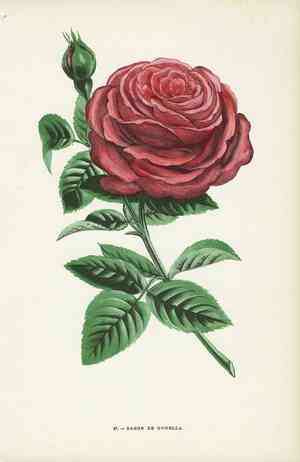
1
Perfect for adding a splash of color to any outdoor space with its bright yellow flowers.
2
Simple to grow and care for, making it an excellent choice for beginner gardeners.
3
Serves as an effective lure for beneficial insects such as bees and butterflies.
What Makes the Yellow rose Special?
Visual Appeal
The bright yellow hue of the Yellow rose makes it a striking addition to any garden. Its cheerful, vivid blooms can enhance the aesthetic charm of your outdoor area. Unlike other rose types, the Yellow rose is particularly recognized for its distinct color, which symbolizes happiness, companionship, and fresh starts.
Simple Cultivation
Another compelling reason to consider planting Yellow rose is its ease of growth. Unlike some other rose varieties that might demand extensive care and attention, Yellow rose is relatively undemanding. It flourishes in well-drained soil and requires minimal irrigation, making it an ideal choice for both new and experienced gardeners.
Environmental Benefits of Yellow rose
Supports Pollinator Populations
One of the most significant ecological advantages of the Yellow rose is its role in aiding pollinator populations. Bees, butterflies, and other beneficial insects are naturally drawn to its bright flowers. By cultivating Yellow rose in your garden, you are contributing to the health and sustainability of these crucial pollinators.
Enhances Air Quality
Plants in general are known for their role in air purification, and Yellow rose is no exception. Through the process of photosynthesis, Yellow rose absorbs carbon dioxide and releases oxygen, thereby improving the air quality around your home. This can be particularly advantageous in urban settings where air pollution levels are higher.
How to Grow and Care for Yellow rose
Planting Advice
To ensure optimal growth for Yellow rose, select a planting location that receives abundant sunlight. The soil should drain well, and it's advisable to mix in some organic compost to provide essential nutrients. Space the plants appropriately to allow for good air circulation, which helps prevent fungal diseases.
Maintenance Guidelines
While Yellow rose is relatively low-maintenance, regular care will ensure it thrives. Consistent watering is crucial, especially during dry periods. Pruning is another vital aspect of care; it helps to remove dead or diseased wood and promotes more vigorous flowering. Applying a balanced fertilizer once a year can also provide a nutritional boost.
Additional Uses of Yellow rose
Culinary Applications
While not commonly known, the petals of Yellow rose can be used in cooking. They can be added to salads for a burst of color and a mild, aromatic flavor. Itâs important to ensure that the flowers are free of pesticides and are thoroughly washed before consumption.
DIY Crafts and Decor
Beyond the garden, Yellow rose can be used in various DIY crafts and decorative projects. Dried petals can be incorporated into potpourri mixes, adding a delightful scent to your home. Fresh blooms can also be used in floral arrangements or as decorative accents in events and gatherings.
Frequently Asked Questions about Yellow rose
Is Yellow rose Prone to Any Pests or Diseases?
Like all plants, Yellow rose can be susceptible to pests such as aphids and spider mites. Regular inspections and the use of natural repellents can keep these issues at bay. In terms of diseases, powdery mildew and black spot are common but can be managed with proper care and preventive measures.
Can Yellow rose Be Grown Indoors?
While it's generally preferable to grow Yellow rose outdoors due to its need for ample sunlight, it can also be grown indoors in a well-lit area. Ensure it's placed in a pot with good drainage and is watered adequately to mimic outdoor conditions.



