
Yellow rose (Rosa xanthina)
Also known as: Yellow Rose
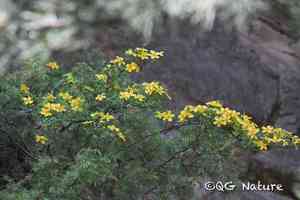
Rosa xanthina, also known as the yellow rose, is a bushy, spreading shrub indigenous to China, Korea, and Mongolia. Its blooming period occurs in spring, showcasing semi-double, fragrant yellow flowers for a few weeks. While it primarily blooms once, a few additional flowers may occasionally appear in early autumn.
In This Article
Attributes of Yellow rose
Lifespan
Perennial
Plant Type
Shrub
Plant Height
1.8 m to 2.5 m
Spread
2.5 m
Leaf Color
Green
Flower Size
5 cm to 8 cm
Flower Color
Yellow
Images of Yellow rose
Quickly Identify Yellow rose
1
Rosa xanthina can be identified by its yellow flowers, which typically appear in late spring. Its leaves are pinnate with serrated edges, and the stems have thorns.
Scientific Classification of Yellow rose
Phylum
Vascular plants
Class
Dicotyledons
Order
Roses, elms, figs, and allies
Family
Rose
Genus
Roses
Species
Yellow rose
Planting and Growing of Yellow rose
Care Difficulty
Easy
Watering Schedule
Every 4 days
Sunlight Requirements
Full sun
Sunshine Duration
6-8 hours
Ideal Temperature
60-75℉
Soil Type
Potting Mix, Peat Mix
Soil pH
6-7.5
Fertilizer Type
Balanced
Pruning Season
Spring, Summer
Pruning Area
Branches, Leaves
Pruning Frequency
2 times a year
Repotting Season
Spring
Pot Type
Plastic, Ceramic
 How to Water Yellow rose?
For Rosa xanthina, the watering amount should be adequate enough to thoroughly moisten the soil without waterlogging it. Aim for about 500 ml per watering session, ensuring the water penetrates around the root system to promote healthy growth and avoid dry soil spots.
What are the symptoms of an underwatered Yellow rose?
›
What should I do if my Yellow rose is not getting enough water?
›
What are the symptoms of an overwatered Yellow rose?
›
How to save an overwatered Yellow rose?
›
 What Are the Sunlight Requirements for Yellow rose?
Rosa xanthina thrives best with full to partial sunlight, providing benefits such as enhanced flowering and vigorous growth. Adequate light is essential for photosynthesis, ensuring a lush appearance.
More About Sunlight Requirements Techniques→
How much sunlight does Rosa xanthina need?
›
What are the best ways to provide Rosa xanthina with optimal sunlight?
›
What benefits does Rosa xanthina gain from ideal sunlight conditions?
›
 What Is the Ideal Temperature Range for Yellow rose?
For optimal growth, Rosa xanthina thrives in temperatures ranging from 60°F to 75°F. This range facilitates healthy metabolic processes, encourages strong blooming, and helps maintain vibrant foliage. By ensuring the temperature does not drop below 60°F or exceed 75°F, you are providing a stable environment that supports the plant’s overall health and productivity.
 What Soil is Best for Yellow rose?
Rosa xanthina thrives in well-drained soil which ensures that the plant's roots do not sit in water, preventing rot and encouraging healthy growth. A soil rich in organic matter provides necessary nutrients that contribute to the vibrant blooms and lush foliage of the plant. While needing well-drained soil, maintaining adequate moisture is crucial to support the plant through dry spells, ensuring its continuous bloom.
More About Soil→
 How to Fertilize Yellow rose?
For Rosa xanthina, a general guideline is to use a liquid fertilizer at half the recommended strength. Use about 1 tablespoon per gallon of water and apply it every two weeks during the growing season. Avoid over-fertilizing, as this can stress the plant.
More About Fertilizing Techniques→
 How to Prune Yellow rose?
Start your pruning process by identifying and removing any dead or diseased branches. These parts of the plant should be cut back to healthy wood to prevent the spread of disease. Dead or damaged wood can be recognized by brittleness, discolored bark, or a lack of foliage. To maintain a desired shape and size of Rosa xanthina, prune the plant by cutting back to an outward-facing bud. This encourages new growth to develop outwards, maintaining an open center, which enhances light penetration and air circulation. While pruning, remove any branches that are crossing or rubbing against each other. Such interactions can create wounds that open entry points for diseases and pests. Cutting them back to a healthy and outward-growing stem will foster a healthier growth structure. To ensure an abundance of blooms, prune Rosa xanthina lightly after the blooming period. This type of pruning is called deadheading and involves removing spent blooms to channel the plant's energy towards new flowering.
More About Pruning Techniques→
 How to Propagate Yellow rose plant?
1
Harvest seeds from mature rose hips in autumn. Allow them to dry completely, then store in a cool, dry place over winter. Stratification may be needed before planting in the spring to enhance germination rates.
2
In early summer, take 6-inch cuttings from healthy, non-flowering shoots. Remove the leaves from the lower half and dip the cut end in rooting hormone before placing it in moist potting soil.
3
During the spring, select healthy rootstocks and scion stems. Sharpen both ends, ensuring a clean match between the two. Secure them together tightly with grafting tape to allow them to unite over time.
 How to Repot Yellow rose plant?
1
Repot Rosa xanthina when you notice it becoming root-bound or when water runs straight through the pot. Spring is the ideal time, as it encourages vigorous growth and minimizes transplant shock, giving the plant plenty of time to establish before the growing season.
2
Select a pot that is one size larger than the current one, ensuring it has adequate drainage holes. A slightly larger pot provides sufficient space for root development without drowning the plant in excess soil, preventing root rot and maintaining optimal health.
3
Opt for a well-draining loamy soil with an emphasis on good aeration and organic material. This type of soil retains enough moisture for plant health but does not become waterlogged, promoting healthy root growth and nutrient uptake.
Learn More About Yellow rose Diseases
Anthracnose
Bacterial Leaf Spot
Black Spot
Chemical Injury
Crown Gall
Damping-off
Downy Mildew
Drought Stress
Fusarium Wilt
Gray Mold
Leaf Curl
Leaf Spot
Mosaic
Nutrient Deficiency
Nutrient Toxicity
Powdery Mildew
Root Rot
Root-knot Nematode
Rusts
Sooty Mold
Spider Mites
Temperature Stress
Thrips Damage



