The Mediterranean tapeweed Plant Advantage: Maximizing Home and Office Appeal and Wellness
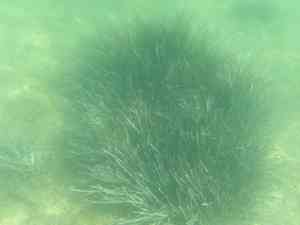
1
Mediterranean tapeweed enhances water purity by removing contaminants and securing seabed materials.
2
Mediterranean tapeweed fosters marine life by offering shelter and sustenance to diverse organisms.
3
Mediterranean tapeweed contributes significantly to carbon capture, aiding in the fight against global warming.
How Does Mediterranean tapeweed Enhance Water Purity?
Purifying Contaminants
Mediterranean tapeweed excels at improving water quality through its inherent purification mechanisms. By capturing and retaining sediments and other particles, it prevents these pollutants from clouding the water and harming aquatic organisms.
Stabilizing Substrates
The root systems of Mediterranean tapeweed help to anchor the seafloor, minimizing the stirring up of sediments. This stabilization is vital for maintaining clear water, which benefits marine flora and fauna that depend on sunlight for photosynthesis.
Why Is Mediterranean tapeweed Crucial for Marine Biodiversity?
Providing Living Space
Mediterranean tapeweed beds serve as essential habitats for a diverse range of marine organisms, including fish, invertebrates, and microorganisms. These beds offer refuge and breeding areas, supporting the life cycles of numerous species.
Serving as a Food Source
Mediterranean tapeweed is not only a refuge but also a critical food source for many marine animals. Its leaves and decaying matter are consumed by herbivores and detritivores, forming the foundation of a complex food web that sustains higher trophic levels.
How Does Mediterranean tapeweed Aid in Combating Climate Change?
Carbon Storage
One of the most significant advantages of Mediterranean tapeweed is its capacity to store carbon. By absorbing and retaining carbon in its biomass and sediment, Mediterranean tapeweed helps alleviate the impacts of climate change. Research indicates that Mediterranean tapeweed meadows can store up to 15 times more carbon per hectare than terrestrial forests.
Oxygen Generation
In addition to storing carbon, Mediterranean tapeweed also produces oxygen through photosynthesis. This oxygen is vital for marine life and contributes to the overall health of the ocean.
What Role Does Mediterranean tapeweed Play in Coastal Defense?
Erosion Prevention
The dense root mats of Mediterranean tapeweed are effective at reducing coastal erosion. By stabilizing the seabed and dampening wave energy, these root systems protect coastlines from being worn away by currents and storms.
Flood Reduction
Mediterranean tapeweed meadows can also mitigate flooding by slowing down and absorbing the energy of incoming waves. This natural barrier helps safeguard coastal communities and infrastructure from the damaging effects of storm surges and rising sea levels.
Can Mediterranean tapeweed Support Sustainable Fisheries?
Nursery Grounds for Fish
The intricate meadows of Mediterranean tapeweed serve as nursery grounds for economically important fish species. These nurseries provide young fish with a safe environment to grow and develop before venturing into the open sea.
Enhanced Fish Stocks
Healthy Mediterranean tapeweed ecosystems contribute to larger, more sustainable fish populations. By preserving these meadows, we can ensure that fish stocks remain robust, benefiting both commercial and recreational fisheries.



