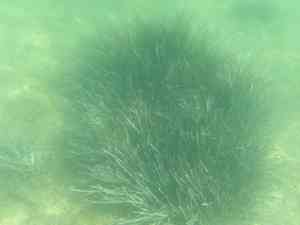
Mediterranean tapeweed (Posidonia oceanica)
Also known as: Seagrass
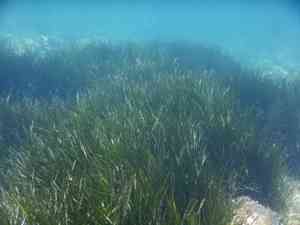
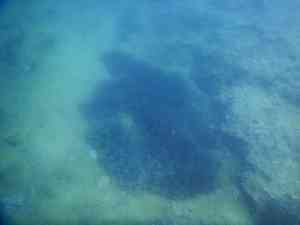
Posidonia oceanica, native to the Mediterranean Sea, creates extensive underwater meadows. Known in Italy as the bearer of the 'olive of the sea' fruit, it features simple, fibrous, broad leaves often visible near the shoreline.
In This Article
Attributes of Mediterranean tapeweed
Lifespan
Perennial
Plant Type
Herb
Plant Height
1 m to 35 m
Spread
Varies depending on meadow size
Leaf Color
Green
Flower Size
Small (specific diameter not well defined)
Flower Color
Greenish
Images of Mediterranean tapeweed
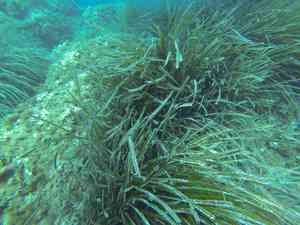
Quickly Identify Mediterranean tapeweed
1
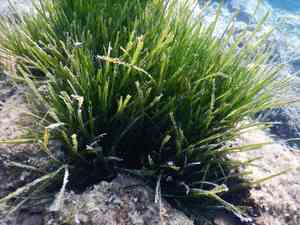
Posidonia oceanica can be identified by its long, ribbon-like leaves which are grouped in bundles. These leaves are typically green in color and can grow up to 1 meter in length. The plant also produces small, olive-like fruits known as \'sea olives\'.
Scientific Classification of Mediterranean tapeweed
Phylum
Vascular plants
Class
Monocotyledons
Order
Alismatales
Family
Posidonia
Genus
Seagrass
Species
Mediterranean tapeweed
Planting and Growing of Mediterranean tapeweed
Care Difficulty
Hard
Watering Schedule
Every day
Sunlight Requirements
Full sun
Sunshine Duration
6-10 hours
Ideal Temperature
68-77℉
Soil Type
Potting Mix, Peat Mix
Soil pH
7.5-8.5
Fertilizer Type
Balanced
Pruning Season
Spring, Summer
Pruning Area
Branches, Leaves
Pruning Frequency
2 times a year
Repotting Season
Spring
Pot Type
Ceramic, Plastic
 How to Water Mediterranean tapeweed?
Posidonia oceanica requires careful watering, as it naturally thrives underwater in the Mediterranean Sea. When cultivating this plant on land, simulate its native conditions by ensuring the roots remain moist. This means watering deeply until the surrounding soil is thoroughly saturated, without causing waterlogging, about 500 ml at a time.
What are the symptoms of an underwatered Mediterranean tapeweed?
›
What should I do if my Mediterranean tapeweed is not getting enough water?
›
What are the symptoms of an overwatered Mediterranean tapeweed?
›
How to save an overwatered Mediterranean tapeweed?
›
 What Are the Sunlight Requirements for Mediterranean tapeweed?
Posidonia oceanica thrives best in areas with full sun exposure, benefiting from approximately 6-8 hours of sunlight daily. This ensures the plant can photosynthesize optimally, promoting ecosystem sustainability and vigor.
What is the ideal lighting condition for Posidonia oceanica?
›
How can you achieve ideal lighting for Posidonia oceanica?
›
What are the benefits of providing ideal light to Posidonia oceanica?
›
 What Is the Ideal Temperature Range for Mediterranean tapeweed?
Posidonia oceanica thrives best between 68°F and 77°F. This range allows the plant to efficiently photosynthesize and grow, ensuring optimum health and resilience against minor environmental stresses.
 What Soil is Best for Mediterranean tapeweed?
Posidonia oceanica thrives in nutrient-poor soils often found in marine environments. This requirement ensures the plant extracts nutrients efficiently, promoting its growth and resilience in underwater conditions. The plant flourishes in soils with high salt concentrations. This tolerance is crucial as it allows Posidonia oceanica to dominate sea beds and plays a significant role in coastal ecosystems. Posidonia oceanica requires well-drained soils to prevent root rot. This condition allows optimal gas exchange and nutrient uptake, which are vital for healthy seagrass beds.
 How to Fertilize Mediterranean tapeweed?
The amount of fertilizer for Posidonia oceanica should be carefully monitored. Liquid fertilizer should be diluted to half strength to avoid over-fertilization, while solid fertilizer should be used sparingly, with about 100 grams per square meter annually.
 How to Prune Mediterranean tapeweed?
Begin by identifying leaves that are longer than average or starting to yellow. Use garden scissors or shears to carefully remove these excess leaves, cutting close to the base. Regularly prune to maintain the desired shape of Posidonia oceanica. This can help ensure that each leaf receives adequate sunlight and contributes to the overall photosynthesis effectively. After pruning, dispose of any trimmed leaves responsibly, ensuring they do not drift back and cause decay. Monitor the plant for a few days for any signs of stress or disease.
More About Pruning Techniques→
 How to Propagate Mediterranean tapeweed plant?
1
Firstly, gather mature seeds from the water using your seed collection tools. Clean the seeds thoroughly to remove any residues. Allow them to dry in a shaded area with good air circulation.
2
Identify healthy rhizomes and carefully extract them from their substrate. Use sterilized knives or shears to cut them into smaller sections, ensuring each section has a viable growing tip and some roots attached.
3
Whether using seeds or divisions, plant them in a suitable substrate similar to their natural habitat. Keep them submerged and ensure that the water quality and temperature are conducive to growth. Monitor their development regularly for signs of growth or distress.
 How to Repot Mediterranean tapeweed plant?
1
Posidonia oceanica usually doesn't require frequent repotting. However, if you notice substantial growth or the plant looks rootbound and cramped, it might be time for a change. Typically, do this in spring or summer for best results.
2
Select a pot that is slightly larger than the current one, allowing for some, but not excessive, growth. Make sure it has good drainage to mimic its natural underwater conditions. A larger pot can also help prevent the roots from becoming tangled or constricted.
3
Opt for sandy, nutrient-poor soil that closely resembles what Posidonia oceanica would encounter in its marine environment. This type of soil not only supports healthy root systems but also ensures the plant doesn't receive an excess of nutrients that could harm its delicate underwater ecosystem emulation.



