The Pyrenean lousewort Plant Advantage: Maximizing Home and Office Appeal and Wellness
1
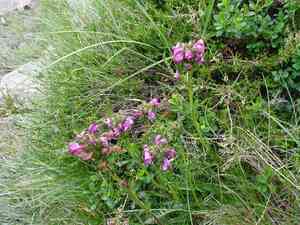
Pyrenean lousewort is recognized for its vivid blooms and distinctive leaves.
2
This flora draws in helpful insects, boosting ecological variety.
3
Pyrenean lousewort possesses decorative appeal and is frequently utilized in garden design.
Why is Pyrenean Lousewort Unique?
Visual Allure
A primary reason to incorporate Pyrenean lousewort into your garden is its striking visual appeal. The plant features distinctively shaped foliage and vivid blossoms, ranging from deep purples to bright pinks. This captivating look can become a focal point in your garden, creating an impressive display that garners attention and admiration.
Natural Habitat Improvement
Pyrenean lousewort is known to draw various beneficial insects, including bees and butterflies, which are vital for pollination. By cultivating Pyrenean lousewort, you foster a healthier ecosystem within your garden, aiding local wildlife and boosting biodiversity. These insects not only enhance the flourishing environment but also contribute to the pollination of other plants in your garden, increasing overall yield.
How to Successfully Grow Pyrenean Lousewort?
Ideal Growth Conditions
Pyrenean lousewort flourishes in specific growing conditions typically found in alpine and subalpine regions. It prefers well-drained soil with some organic matter and a relatively cool climate. Ensuring the soil remains consistently moist but not waterlogged is vital for this plant's healthy development. Additionally, it's important to place Pyrenean lousewort where it receives partial sunlight to mimic its natural environment.
Propagation Methods
Successful propagation of Pyrenean lousewort can be achieved by sowing seeds. It's advisable to sow seeds in late autumn when temperatures are cooler. Lightly cover the seeds with soil and ensure they stay moist. Patience is crucial, as germination can take several weeks. Once seedlings are sufficiently robust, they can be transplanted to their permanent locations in your garden.
What are the Environmental Advantages of Pyrenean Lousewort?
Soil Health Enhancement
Pyrenean lousewort forms a symbiotic relationship with mycorrhizal fungi. This beneficial fungus helps improve soil health by boosting nutrient uptake for the plant. This, in turn, promotes a rich and fertile soil environment, encouraging the growth of other plant species in your garden.
Erosion Prevention
The root system of Pyrenean lousewort is strong and extensive, making it effective at stabilizing soil and preventing erosion. Planting Pyrenean lousewort on slopes or areas prone to erosion can help secure the soil, reducing the risk of landslides or soil loss. This makes it an excellent plant for gardeners dealing with challenging terrains.
How Does Pyrenean Lousewort Improve Garden Aesthetics?
Decorative Applications
Pyrenean lousewort's appealing appearance makes it a popular choice for ornamental gardening. It can be used in rock gardens, borders, and even as a central feature in flower beds. Its unique look ensures it stands out, offering a distinctive element in any garden design.
Companion Plantings
Pyrenean lousewort can be paired with other native plants to create a harmonious and naturalistic garden setting. Its ability to attract pollinators can also be utilized to support the growth of other flowering plants nearby. By carefully planning your garden layout, you can create a symbiotic environment where Pyrenean lousewort and other species thrive together.
Tips for Maintaining Pyrenean Lousewort's Health
Regular Inspection
Periodically check Pyrenean lousewort for any indications of pests or diseases. While generally resilient, it's important to address any issues promptly to prevent their spread. Use organic insecticides if necessary and ensure plants are well-ventilated to reduce the risk of fungal infections.
Seasonal Care
As seasons change, so do the requirements of Pyrenean lousewort. During colder months, ensure the soil does not become too dry. Mulching around the base can help retain moisture and protect roots from extreme temperatures. In warmer months, continue to monitor moisture levels and provide adequate water to keep the plant flourishing.



