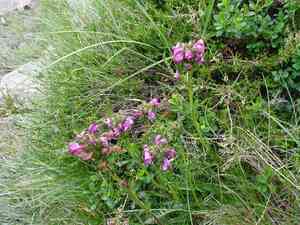
Pyrenean lousewort (Pedicularis pyrenaica)
Also known as: Pyrenean Lousewort
Plant 10 to 25 cm high leaves glabrous cut almost all in rosette. Purple pink flowers form a tight terminal inflorescence. Flowering from summer to fall.
In This Article
Attributes of Pyrenean lousewort
Lifespan
Perennial
Plant Type
Herb
Plant Height
10-30 cm
Spread
Not applicable
Leaf Color
Green
Flower Size
1-2 cm
Flower Color
Red Purple
Images of Pyrenean lousewort
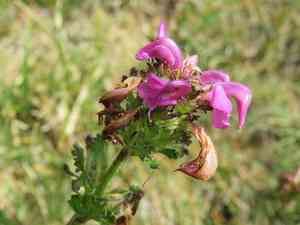
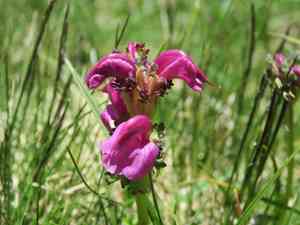
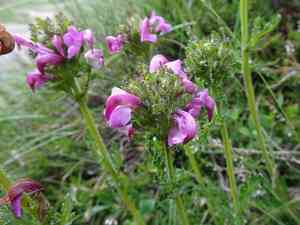
Quickly Identify Pyrenean lousewort
1
This plant can be identified by its small, intricately shaped flowers that are typically pink or purple. The leaves are finely divided and the plant often grows in rocky alpine areas.
Scientific Classification of Pyrenean lousewort
Phylum
Vascular plants
Class
Dicotyledons
Order
Lamiales
Family
Broomrape
Genus
Pedicularis
Species
Pyrenean lousewort
Planting and Growing of Pyrenean lousewort
Care Difficulty
Hard
Watering Schedule
Every 2 days
Sunlight Requirements
Partial sun
Sunshine Duration
6-10 hours
Ideal Temperature
59-68℉
Soil Type
Potting Mix, Peat Mix
Soil pH
6.5-7.5
Fertilizer Type
Balanced
Pruning Season
Spring, Summer
Pruning Area
Branches, Leaves
Pruning Frequency
2 times a year
Repotting Season
Spring
Pot Type
Plastic, Ceramic
 How to Water Pyrenean lousewort?
Pedicularis pyrenaica should be watered with approximately 150 ml each time. The goal is to dampen the soil evenly without oversaturating it. This plant appreciates a balance where the soil is moist but not waterlogged.
What are the symptoms of an underwatered Pyrenean lousewort?
›
What should I do if my Pyrenean lousewort is not getting enough water?
›
What are the symptoms of an overwatered Pyrenean lousewort?
›
How to save an overwatered Pyrenean lousewort?
›
 What Are the Sunlight Requirements for Pyrenean lousewort?
Pedicularis pyrenaica thrives best in partial to full sun settings, helping it maintain a healthy growth pattern. Ideal light exposure aids in effective photosynthesis, leading to vibrant blooms and robust foliage.
Optimal Light Duration
›
Positioning for Maximum Growth
›
Seasonal Adjustments
›
 What Is the Ideal Temperature Range for Pyrenean lousewort?
The ideal temperature range for Pedicularis pyrenaica cultivation is between 59°F to 68°F. Within this range, the plant is able to photosynthesize efficiently and perform cellular functions optimally. This temperature range ensures that the plant grows vigorously and maintains its health, allowing for the best display of flowers and foliage.
 What Soil is Best for Pyrenean lousewort?
Pedicularis pyrenaica thrives in well-drained soil, which prevents waterlogging and root rot, ensuring optimal growth conditions and healthier plants. This plant prefers soils rich in organic matter, which provide essential nutrients and improve soil structure, fostering robust growth and vibrant blooms. The soil should retain adequate moisture without becoming waterlogged, as consistent moisture supports healthy seedling development and flowering.
 How to Fertilize Pyrenean lousewort?
For Pedicularis pyrenaica, a moderate amount of fertilizer is recommended. Apply liquid fertilizer at a concentration of 50% dilution ratio every two weeks during the growing season. For slow-release fertilizers, use about 20 grams per plant each time and spread evenly around the base of the plant.
 How to Prune Pyrenean lousewort?
Begin by identifying and removing any dead or diseased leaves or stems. This ensures that the rest of the plant remains healthy and reduces the risk of spreading infections. Trim back any overgrown branches to maintain the plant's shape and size. Focus on creating an open structure that allows for adequate light and air circulation.
More About Pruning Techniques→
 How to Propagate Pyrenean lousewort plant?
1
Begin by filling the seed tray with a well-draining potting mix. Sow the seeds lightly on top and cover them with a thin layer of soil. Mist the soil lightly to keep it moist but not waterlogged.
2
Select healthy stems from a mature Pedicularis pyrenaica plant. Cut 4-6 inch sections from the stem just below a node. Remove the lower leaves to expose the nodes for better rooting.
3
Insert the prepared cuttings into a pot filled with a well-draining mix. Ensure at least two nodes are below the surface to encourage root development. Keep the cuttings semi-shaded and maintain humidity.
 How to Repot Pyrenean lousewort plant?
1
Repotting Pedicularis pyrenaica should be done when you notice that roots start growing out of the pot’s drainage holes, indicating the plant has outgrown its current home. Another signal is when the plant’s growth has noticeably slowed, despite optimal care. These signs suggest that it's time to give the root system more space and fresh soil to thrive.
2
Select a pot that is an inch or two larger in diameter than the current one. It should have ample drainage holes to prevent waterlogging, which is vital for maintaining healthy roots. A pot made of breathable material like terracotta is advisable, as it helps to keep the roots aerated and minimizes the risk of root rot.
3
Choose a well-draining soil mix, preferably one containing peat, as it helps retain the right amount of moisture while allowing excess water to drain away. A soil mix with perlite or sand will be beneficial as it aids in preventing soil compaction, ensuring the roots have enough air circulation, contributing to the overall health of the plant.
Learn More About Pyrenean lousewort Diseases
Bacterial Leaf Spot
Bacterial Wilt
Crown Gall
Cyst Nematode
Damping-off
Downy Mildew
Drought Stress
Fusarium Wilt
Gray Mold
Leaf Spot
Mosaic
Nutrient Deficiency
Nutrient Toxicity
Powdery Mildew
Root Rot
Root-knot Nematode
Rusts
Sooty Mold
Spider Mites
Temperature Stress
Thrips Damage
White Mold
Chemical Injury



