The Missouri Evening Primrose Plant Advantage: Maximizing Home and Office Appeal and Wellness
1
The Missouri Evening Primrose tolerates dry conditions well, ideal for gardens with minimal water.
2
Its bright yellow flowers draw in helpful pollinators such as bees and butterflies.
3
This plant is recognized for being simple to cultivate and requiring little upkeep.
What Defines the Missouri Evening Primrose?
Visual Traits and Flowering Period
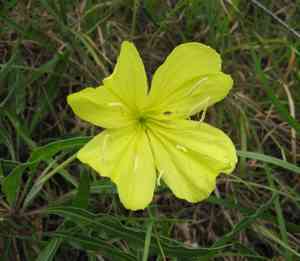
Missouri Evening Primrose showcases striking yellow blossoms that unfurl in the evening, imparting a bright and cheerful ambiance to gardens. Its petals are large and delicate, creating a visually captivating spectacle. Typically, its flowering season extends from late spring through early autumn, offering a prolonged display of vibrancy and beauty. Its foliage is equally appealing, featuring a fine texture that lends an elegant touch to garden landscapes.
Durability and Robustness
The Missouri Evening Primrose is recognized for its significant resilience and adaptability to diverse environmental conditions. It can endure drought and poor soil, making it an ideal choice for gardens in arid regions. The plant's hardiness means it demands minimal watering and care, lessening the gardener's effort. This robustness not only ensures the plant's survival but also enhances the overall health and sustainability of the garden ecosystem.
Cultivating and Caring for Missouri Evening Primrose
Planting Guidelines
Planting Missouri Evening Primrose is quite simple. Select a sunny location in your garden with well-draining soil. Dig a hole twice the diameter of the plant's root ball and carefully position the plant, ensuring the top of the root ball is level with the soil surface. Backfill with soil and water thoroughly. It's best to plant Missouri Evening Primrose during the cooler parts of the day to prevent transplant shock.
Irrigation and Upkeep
Once established, Missouri Evening Primrose requires minimal watering. It flourishes in dry conditions and should be watered sparinglyâtypically once a week during dry periods. Excessive watering can lead to root rot and other fungal diseases. Pruning is seldom necessary, but deadheading (removing faded flowers) can encourage more blooms and maintain a neat appearance. Applying a layer of mulch can help retain moisture and stabilize soil temperature.
Ecological Advantages of Missouri Evening Primrose
Attracting Pollinators
Missouri Evening Primrose plays a vital role in supporting local ecosystems by drawing in beneficial pollinators such as bees and butterflies. Its evening-opening flowers are particularly favored by nocturnal pollinators like moths. This attraction facilitates cross-pollination, which is crucial for the reproduction of many plants, contributing to the overall health and biodiversity of the garden.
Supporting Wildlife
Beyond pollinators, Missouri Evening Primrose offers sustenance and refuge for various insects and small animals. The plant's flowers and seeds serve as a food source for numerous species, while its dense foliage provides protection and nesting sites. By cultivating Missouri Evening Primrose, gardeners contribute to a balanced and thriving ecosystem, offering support to local wildlife populations.
Why Choose Missouri Evening Primrose for Sustainable Gardening?
Minimal Maintenance Requirements
A primary reason to incorporate Missouri Evening Primrose into your garden is its low maintenance needs. This robust plant thrives with little intervention, making it perfect for busy gardeners or those seeking to reduce their garden workload. Its minimal need for water and fertilizer means fewer resources are consumed, aligning with sustainable gardening practices.
Environmental Preservation
Utilizing native and drought-tolerant plants like Missouri Evening Primrose helps conserve water and lessen reliance on artificial irrigation systems. It also minimizes the use of chemical fertilizers and pesticides, which can have detrimental effects on the environment. By making sustainable choices, gardeners can reduce their ecological footprint and foster a healthier planet.



