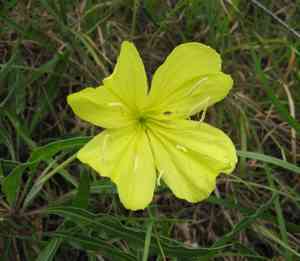
Missouri Evening Primrose (Oenothera macrocarpa)
Also known as: Fluttermill, Ozark Sundrop
The Missouri Evening Primrose (Oenothera macrocarpa) is a hardy perennial often integrated into rock gardens, wildflower displays, and alpine settings. It also serves well as a ground cover. This plant is native to the central and southern regions of the United States and features large, vivid yellow blooms that open in the evening from late spring through the summer, attracting pollinators like sphinx moths. Its resilience and striking floral display make it a popular choice for gardeners.
In This Article
Attributes of Missouri Evening Primrose
Lifespan
Perennial
Plant Type
Herb
Plant Height
15 cm to 30 cm
Spread
30 cm to 45 cm
Leaf Color
Green
Flower Size
8 cm
Flower Color
Yellow
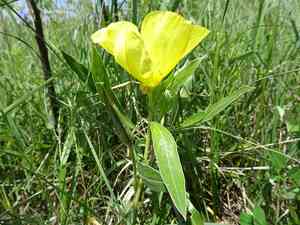
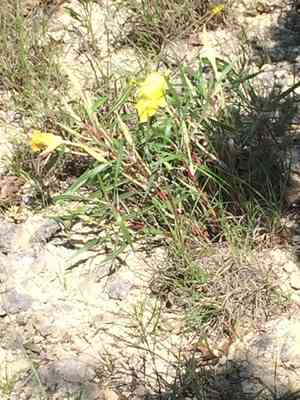
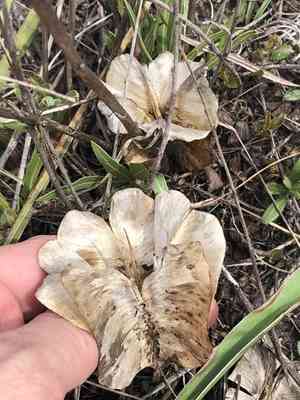
Images of Missouri Evening Primrose
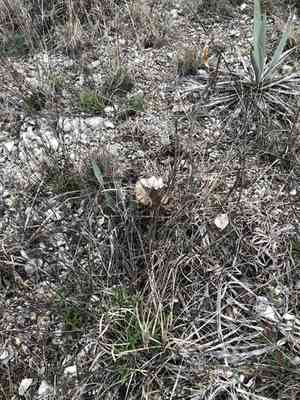
Quickly Identify Missouri Evening Primrose
1
Look for large, bright yellow, four-petaled flowers that open in the evening. The plant has a sprawling habit with narrow, lanceolate leaves. The fruit is a large capsule that splits open when mature.
Scientific Classification of Missouri Evening Primrose
Phylum
Vascular plants
Class
Dicotyledons
Order
Myrtales
Family
Evening primrose
Genus
Evening Primrose
Species
Missouri Evening Primrose
Planting and Growing of Missouri Evening Primrose
Care Difficulty
Easy
Watering Schedule
Every 4 days
Sunlight Requirements
Full sun
Sunshine Duration
6-12 hours
Ideal Temperature
65-75℉
Soil Type
Potting Mix, Peat Mix
Soil pH
6.5-7.5
Fertilizer Type
Balanced
Pruning Season
Spring, Summer
Pruning Area
Branches, Leaves
Pruning Frequency
2 times a year
Repotting Season
Spring
Pot Type
Plastic, Ceramic
 How to Water Missouri Evening Primrose?
Oenothera macrocarpa, also known as the Missouri evening primrose, requires moderate watering. Ensure that the soil is moist but never soggy. Aim to water approximately 400 ml each time, allowing the soil to dry out slightly between waterings, to prevent root rot.
What are the symptoms of an underwatered Missouri Evening Primrose?
›
What should I do if my Missouri Evening Primrose is not getting enough water?
›
What are the symptoms of an overwatered Missouri Evening Primrose?
›
How to save an overwatered Missouri Evening Primrose?
›
 What Are the Sunlight Requirements for Missouri Evening Primrose?
Oenothera macrocarpa prefers full sun to partial sun, with an ideal light range of 6-8 hours per day. Full sun exposure ensures vibrant flowering and optimal growth, contributing to a healthier, more resilient plant.
More About Sunlight Requirements Techniques→
Optimal Sun Exposure
›
Solution for Ideal Light
›
Benefits of Ideal Lighting
›
 What Is the Ideal Temperature Range for Missouri Evening Primrose?
The ideal temperature range for growing Oenothera macrocarpa lies between 65°F and 75°F. Within this range, the plant can perform its physiological processes efficiently, leading to optimal growth and flowering. This range ensures that the plant's metabolic activities, such as photosynthesis and nutrient uptake, occur without stress.
 What Soil is Best for Missouri Evening Primrose?
Oenothera macrocarpa thrives in well-drained soil, which allows air circulation and prevents root rot. This soil condition ensures healthy root growth and optimal absorption of nutrients. This plant benefits from nutrient-rich soil, which provides essential elements for vigorous growth and blooming. A nutrient-dense medium supports robust foliage and vibrant flower production. While Oenothera macrocarpa enjoys slightly moist conditions, it doesn’t tolerate waterlogged soil, which can lead to root problems. Maintaining a balance is crucial for its overall health and strength.
 How to Fertilize Missouri Evening Primrose?
For Oenothera macrocarpa, a moderate amount of fertilizer is ideal. Typically, use about one teaspoon of liquid fertilizer per gallon of water for liquid applications. For slow-release fertilizers, one tablespoon per square foot is adequate. Over-fertilizing can damage the root system, so it's crucial to adhere to recommended rates.
 How to Prune Missouri Evening Primrose?
When pruning Oenothera macrocarpa, always begin by removing any dead, damaged, or diseased stems. Use sharp, clean shears to make cuts at a 45-degree angle, which helps water run off and reduces the chance of rot. Focus on cutting just above a leaf node or a set of leaves to encourage bushier growth. After addressing the damaged parts, trim back any overly long stems to maintain the plant’s desired shape. This not only keeps it looking tidy but also encourages the plant to produce more flowers. For a more compact shape, remove about one-third of the oldest stems, which promotes new, vigorous growth from the base.
More About Pruning Techniques→
 How to Propagate Missouri Evening Primrose plant?
1
Begin by filling a seed tray with a soilless mix. Gently spread the Oenothera macrocarpa seeds across the surface, ensuring they are evenly distributed. Cover them lightly with the mix and water gently.
2
Place the seed tray in a warm, bright spot but out of direct sunlight. The temperature should be maintained between 18-24°C (64-75°F). Keep the soil consistently moist but not waterlogged, as waterlogging can lead to seed rot.
3
Once the seedlings have developed a set of true leaves, they can be carefully transplanted into individual pots or outdoor soil. Make sure to handle the young plants gently to avoid damaging the delicate roots.
 How to Repot Missouri Evening Primrose plant?
1
Watch for roots circling the pot at soil level or emerging from drainage holes. This indicates the plant is root-bound, requiring more space for growth. Additionally, if water isn't draining well, it might be time for fresh, better-draining soil.
2
Opt for a pot that is one or two sizes larger than the current one. Ensure it has good drainage holes. The right pot will promote healthier root development and prevent issues like root rot. Material such as terracotta facilitates moisture balance, beneficial for this plant type.
3
A well-draining sandy soil mix is ideal for Oenothera macrocarpa. It mimics their natural habitat and prevents water retention, reducing the risk of root rot. A slightly gritty texture ensures adequate aeration, essential for healthy root growth.
Learn More About Missouri Evening Primrose Diseases
Anthracnose
Bacterial Leaf Spot
Bacterial Wilt
Crown Gall
Cyst Nematode
Damping-off
Downy Mildew
Drought Stress
Fusarium Wilt
Gray Mold
Leaf Curl
Leaf Spot
Mosaic
Nutrient Deficiency
Nutrient Toxicity
Powdery Mildew
Root Rot
Root-knot Nematode
Rusts
Sooty Mold
Spider Mites
Temperature Stress
Thrips Damage
White Mold



