The Eastern glandular nemacladus Plant Advantage: Maximizing Home and Office Appeal and Wellness
1
Eastern glandular nemacladus flourishes across diverse weather conditions and readily adjusts to its surroundings.
2
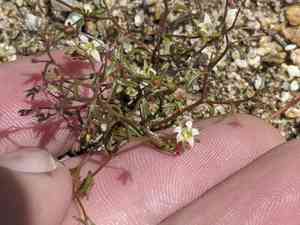
The foliage of Eastern glandular nemacladus possesses distinct characteristics that can be advantageous for your garden space.
3
Eastern glandular nemacladus fosters ecological diversity by offering a home for numerous tiny organisms.
What Makes Eastern glandular nemacladus So Distinctive?
Versatility Across Environments
Eastern glandular nemacladus is celebrated for its remarkable capacity to adapt to diverse environmental settings. Whether in arid deserts or temperate zones, this plant flourishes with minimal attention. Its hardiness makes it an excellent option for gardeners and landscapers seeking low-effort solutions. This adaptability also means Eastern glandular nemacladus plays a vital role in stabilizing soils and preventing erosion in various habitats.
Ecological Contributions
Beyond its adaptive nature, Eastern glandular nemacladus contributes significantly to supporting local ecosystems. It offers crucial habitat and sustenance for a multitude of small organisms. This ecological benefit is paramount, as these tiny creatures are essential for pollination, soil vitality, and pest management. By cultivating Eastern glandular nemacladus, you foster a healthier, more balanced ecosystem.
How Can Eastern glandular nemacladus Enhance Your Garden?
Improving Soil Quality
A key attribute of Eastern glandular nemacladus is its capacity to enhance soil health. The plant's root structure aids in aerating the soil, facilitating better water absorption and root penetration for nearby plants. Furthermore, the organic matter from its leaves slowly decomposes, enriching the soil with vital nutrients over time. This positions Eastern glandular nemacladus as an excellent companion plant for those aiming to cultivate a flourishing, sustainable garden.
Attracting Beneficial Insects
Eastern glandular nemacladus isn't just beneficial for the soil; it also draws a variety of helpful insects to your garden. These include pollinators like bees and butterflies, as well as predatory insects that assist in controlling pest populations. This natural pest control reduces your reliance on chemical pesticides, making your garden a safer and more environmentally friendly space.
Why Should You Consider Eastern glandular nemacladus in Landscaping?
Visually Appealing
Eastern glandular nemacladus provides an aesthetically pleasing addition to any landscape. Its distinctive foliage and delicate blooms can impart a touch of elegance to gardens, patios, and urban green areas. The plant's unique appearance offers a striking contrast to more common garden varieties, making it a favorite among landscape designers seeking something different.
Low Maintenance
A primary reason landscapers favor Eastern glandular nemacladus is its minimal upkeep requirements. This resilient plant needs little watering and can thrive in poor soil conditions, reducing the time and resources necessary for care. This makes Eastern glandular nemacladus an ideal choice for busy individuals desiring a beautiful, stress-free landscape.
What Are the Potential Applications of Eastern glandular nemacladus?
Erosion Control
Thanks to its robust root system, Eastern glandular nemacladus is highly effective in preventing soil erosion. This makes it an excellent option for planting on slopes, riverbanks, and other areas susceptible to erosion. By stabilizing the soil, Eastern glandular nemacladus helps protect waterways and maintain the structural integrity of landscapes.
Natural Dye Source
Interestingly, parts of Eastern glandular nemacladus can be utilized to produce natural dyes. The plant's leaves and stems contain pigments that can yield a range of colors, depending on the mordants and extraction methods employed. This offers a sustainable alternative to synthetic dyes and can be an exciting project for those interested in natural crafts and eco-conscious practices.



