The Apple mint Plant Advantage: Maximizing Home and Office Appeal and Wellness
1
Apple mint is recognized for its invigorating scent and diverse applications.
2
It can enhance your garden's variety and draw in helpful bugs.
3
This herb assists in cooking uses due to its distinct taste.
About Apple Mint
Understanding its Characteristics
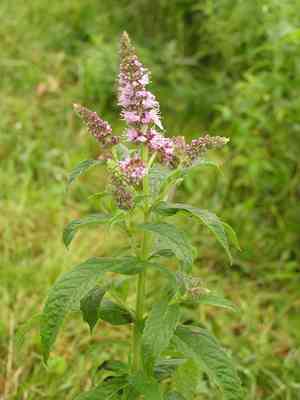
Apple mint is a perennial herb recognized for its circular, soft leaves and pleasant, minty aroma. It thrives in well-drained soil and can be cultivated in both sunny and partly shaded locations. Its growth habit makes it an excellent ground cover, and it's relatively easy to care for, making it a favorite among gardeners.
Origins and History
Apple mint originates from Europe and Western Asia, where it has been utilized for centuries in cooking and medicinal applications. It's also commonly found in herb gardens and as an ornamental plant due to its attractive appearance and fragrant qualities.
How Can Apple Mint Benefit Your Garden?
Enhancing Biodiversity
Introducing Apple mint into your garden can significantly boost biodiversity. It attracts pollinators like bees and butterflies, which are crucial for the fertilization of many plants. This not only improves the health of your garden but also supports the local ecosystem.
Companion Planting
Using Apple mint as a companion plant can naturally deter pests. Its strong scent can repel harmful insects, making it easier to manage your garden without the need for chemical pesticides. It pairs well with a variety of vegetables, herbs, and flowers, making it a versatile addition to any garden.
What Are the Culinary Uses of Apple Mint?
Flavor Enhancer
Apple mint is a popular ingredient in both sweet and savory dishes. Its subtle minty flavor pairs well with fruits, vegetables, meats, and desserts. You can use its fresh leaves in salads, cocktails, teas, and more to add a unique and refreshing taste.
Preserving and Cooking
The leaves of Apple mint can be dried and stored for later use, maintaining their flavor and aroma. They can be used in cooking to create herbal teas, sauces, and marinades, adding a burst of freshness to your dishes.
What Other Uses Does Apple Mint Have?
Aromatic Herbs
Beyond its culinary uses, Apple mint can be dried and used in potpourris, sachets, and herbal pillows for a pleasant, refreshing scent. This makes it a valuable herb for aromatherapy, helping to create a relaxing atmosphere in your home.
Crafting and DIY Projects
The versatility of Apple mint extends to crafting. It can be used in homemade soaps, candles, and wreaths. Its aesthetically pleasing appearance and fragrance can enhance your DIY projects, adding an element of natural beauty.
How to Cultivate Apple Mint Successfully?
Planting and Soil Requirements
Apple mint grows best in well-draining soil with a pH range of 6.0 to 7.0. It prefers areas with full sun to partial shade. When planting, ensure the soil remains moist but not waterlogged to promote healthy growth.
Maintenance and Care
Apple mint requires minimal care once established. Regular watering, especially during dry spells, and occasional pruning to prevent it from becoming invasive are key maintenance steps. Fertilizing with a balanced organic fertilizer can also encourage robust growth.



