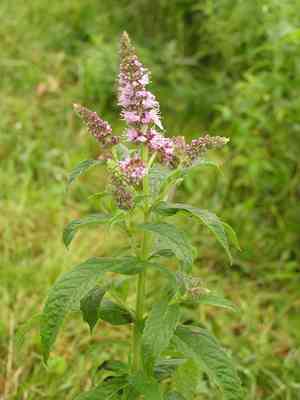
Apple mint (Mentha rotundifolia)
Also known as: False apple-mint
Apple mint (Mentha suaveolens) is a vigorous perennial herb that can quickly become invasive if not properly managed. Known for its delightful apple-like scent, it is commonly used in culinary dishes and beverages like mojitos. This plant produces light-pink flowers in the summer and thrives in full sun to partial shade. It prefers moist, well-drained soil and requires regular watering.
Due to its aggressive growth habit, apple mint can easily spread and dominate garden areas. To prevent this, consider planting it in containers or using root barriers to control its expansion.
In This Article
Attributes of Apple mint
Lifespan
Perennial
Plant Type
Herb
Plant Height
30-90 cm
Spread
Varies, typically spreads out
Leaf Color
Light green
Flower Size
Small, approximately 5 mm
Flower Color
Purple
Images of Apple mint
Quickly Identify Apple mint
1
Identification of Mentha rotundifolia can be done by noting its rounded, hairy leaves with a soft texture and a characteristic apple-like fragrance. The leaves are typically light green and the plant has a square stem, typical of the mint family.
Scientific Classification of Apple mint
Phylum
Vascular plants
Class
Dicotyledons
Order
Lamiales
Family
Mint
Genus
Mints
Species
Apple mint
Planting and Growing of Apple mint
Care Difficulty
Easy
Watering Schedule
Every 8 days
Sunlight Requirements
Full sun
Sunshine Duration
4-8 hours
Ideal Temperature
60-75℉
Soil Type
Potting Mix, Peat Mix
Soil pH
6.5-7.5
Fertilizer Type
Balanced
Pruning Season
Spring, Summer
Pruning Area
Branches, Leaves
Pruning Frequency
2 times a year
Repotting Season
Spring
Pot Type
Plastic, Terracotta
 How to Water Apple mint?
For Mentha rotundifolia, also known as rounded-leaf mint, ensure the soil is consistently moist but not waterlogged. It's crucial to strike a balance. Watering with approximately 200 ml each session generally suffices, accomplishing moist soil without creating standing water.
What are the symptoms of an underwatered Apple mint?
›
What should I do if my Apple mint is not getting enough water?
›
What are the symptoms of an overwatered Apple mint?
›
How to save an overwatered Apple mint?
›
 What Are the Sunlight Requirements for Apple mint?
For Mentha rotundifolia, a partial to full sun environment best supports its growth. This range allows the plant to develop robust foliage and maintain strong aromatic properties, crucial for both ornamental and culinary applications.
What is the best light condition for Mentha rotundifolia?
›
How can I achieve this lighting condition?
›
What are the benefits of ideal lighting?
›
 What Is the Ideal Temperature Range for Apple mint?
Mentha rotundifolia, commonly known as round-leaved mint, thrives best in a temperature range from 60°F to 75°F. This range allows the plant to perform optimal photosynthesis and maintain healthy growth. Maintaining this temperature will result in lush foliage and the most vibrant flavors of its leaves.
 What Soil is Best for Apple mint?
Mentha rotundifolia thrives in well-draining soil. This helps prevent root rot, allowing the plant to absorb vital nutrients efficiently and maintain healthy growth. A moderately fertile soil provides Mentha rotundifolia with the essential nutrients it requires. Balanced nutrient availability supports lush foliage and vigorous growth. While drainage is important, the soil should also retain some moisture. The right balance ensures the plant remains hydrated, contributing to its robust aroma and flavor.
 How to Fertilize Apple mint?
For Mentha rotundifolia, use a balanced liquid fertilizer diluted to half strength. Apply approximately 100ml per plant. Be cautious not to over-fertilize, as the plant prefers a light feeding approach– it's better to underfeed than overfeed.
 How to Prune Apple mint?
Begin pruning by carefully examining the plant to identify any dead or weak stems. Use sharp, clean scissors or pruning shears to cut back these damaged areas. Trim the stems just above a set of leaves to encourage new growth. Regular pruning prevents legginess and maintains the plant's health and vigor. To make Mentha rotundifolia bushier, pinch off the tips of the stems regularly. This method diverts energy to lateral buds, promoting the growth of new shoots and making the plant fuller. Consistent practice not only enhances appearance but also increases leaf yield.
 How to Propagate Apple mint plant?
1
Choose a healthy, disease-free stem from the parent plant. It should be around 4 to 6 inches long and include several leaf nodes for successful propagation.
2
Remove the lower leaves of the cutting to expose the nodes, then dip the cut end in rooting hormone. This encourages faster rooting and reduces the risk of bacterial infection.
3
Plant the treated cutting in a pot filled with well-draining potting mix. Water lightly and cover with a plastic bag to create a humid environment, essential for root development.
 How to Repot Apple mint plant?
1
Mentha rotundifolia should be repotted when you see roots emerging from the drainage holes or when the growth has noticeably slowed. These signs indicate that the plant has outgrown its current container and needs more space to grow vigorously.
2
Choose a pot that is about 2 inches larger in diameter than the current one. A slightly larger pot encourages better root growth without risking waterlogging. Ensure it has good drainage holes, which help prevent root rot by allowing excess water to escape.
3
Opt for a well-draining potting mix with organic matter. This type of soil retains necessary moisture while allowing excess water to drain freely, preventing the roots from becoming waterlogged and reducing the risk of diseases such as root rot.



