The Carolina milkvine Plant Advantage: Maximizing Home and Office Appeal and Wellness
1
Carolina milkvine, a North American native vine, provides ecological advantages.
2
Carolina milkvine draws in butterflies and other pollinators, supporting biodiversity.
3
Its distinct characteristics make Carolina milkvine useful in plant-derived uses.
What is Carolina milkvine?
Characteristics of Carolina milkvine
Carolina milkvine is a perennial climbing plant recognized for its striking green leaves and uniquely shaped blossoms. It thrives in diverse North American environments, particularly adapting well to well-drained soil and partial shade. This plant can reach heights of up to 3 meters, making it a robust addition to any natural setting.
Ecological Role
A key attribute of Carolina milkvine is its significant contribution to supporting local ecosystems. The plant acts as a magnet for butterflies, especially those seeking nectar, thereby playing a crucial role in pollination. Furthermore, it serves as a host plant for caterpillars, adding another layer of ecological importance.
Why Should You Consider Planting Carolina milkvine?
Attracts Pollinators
In today's world, fostering biodiversity is essential, and cultivating Carolina milkvine can be a simple yet effective step toward this objective. The plant's blooms draw in various pollinators, including butterflies and bees, thus aiding in the reproduction of surrounding flora.
Enhances Garden Aesthetics
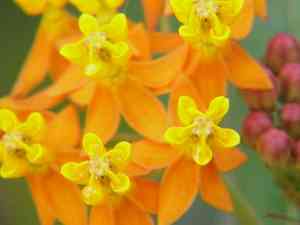
Beyond its ecological advantages, Carolina milkvine is a beautiful plant that brings a distinctive touch to both gardens and natural landscapes. Its unique flower shape and lush green foliage make it a visual focal point, boosting the aesthetic appeal of any garden.
How to Grow and Care for Carolina milkvine?
Soil and Light Requirements
Cultivating Carolina milkvine is relatively straightforward, provided its basic needs are met. The plant flourishes in well-drained soil and prefers partial shade to full sun exposure. Adequate watering, particularly during dry periods, will ensure the plant remains healthy and vibrant.
Propagation Methods
Propagating Carolina milkvine can be accomplished using seeds or cuttings. Seeds should be sown in well-drained soil and kept moist until germination. Cuttings, conversely, should be taken from healthy plants and rooted in a suitable medium before transplanting.
What Are the Unique Applications of Carolina milkvine?
Cultural and Traditional Uses
Historically, various parts of Carolina milkvine have been employed in traditional practices. The plant's fibers have been used in crafting, while its aesthetic appeal makes it a common feature in ornamental horticulture.
Modern Applications
In contemporary contexts, Carolina milkvine is being explored for its potential in sustainable landscaping and ecological restoration projects. Its capacity to attract pollinators and support local fauna makes it a valuable plant in efforts to reestablish native ecosystems.
Where Can You Find Carolina milkvine?
Natural Habitats
Carolina milkvine is commonly encountered in woodlands, alongside streams, and in other moist, well-drained areas. Its adaptability allows it to thrive in a variety of settings, making it a versatile plant in North American flora.
Availability for Gardening
For those interested in incorporating Carolina milkvine into their gardens, the plant is often accessible at native plant nurseries and botanical gardens. Ensuring you acquire the plant from reputable suppliers is crucial for maintaining ecological balance.
Challenges in Growing Carolina milkvine
Pests and Diseases
Like any plant, Carolina milkvine is not entirely immune to potential issues. Common pests such as aphids and spider mites may occasionally affect the plant, necessitating careful monitoring and preventative measures. Additionally, ensuring proper drainage can reduce the risk of root rot and other fungal infections.
Climate Considerations
While Carolina milkvine is relatively resilient, extreme weather conditions can present difficulties. Extended droughts or excessive humidity may impact the plant's growth, requiring adjustments in care routines to ensure its health and longevity.



