
Carolina milkvine (Matelea carolinensis)
Also known as: Carolina climbing-milkweed, Carolina milkweed
Carolina milkvine (Matelea carolinensis) is a perennial vine notable for its twining growth and the presence of milky sap. It features heart-shaped leaves and small, star-shaped flowers that range in color from purple to maroon. Native to the southeastern United States, this vine typically thrives in open woodlands, but it can also be seen climbing along powerlines and fences near roadways.
In This Article
Attributes of Carolina milkvine
Lifespan
Perennial
Plant Type
Herb, Vine
Plant Height
1.8 m to 3.5 m
Spread
90 cm to 1.8 m
Leaf Color
Green
Flower Size
1 cm to 2 cm
Flower Color
Yellow Green Purple Red Brown
Images of Carolina milkvine

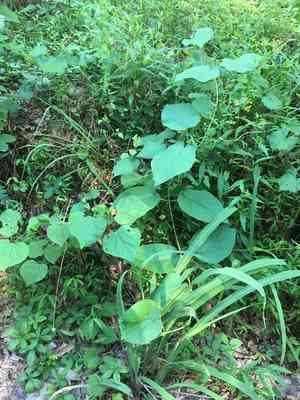
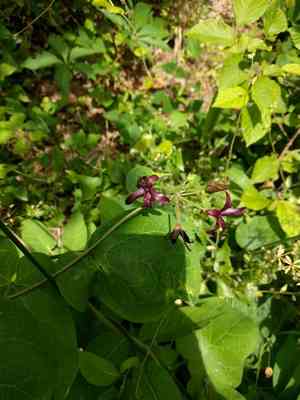
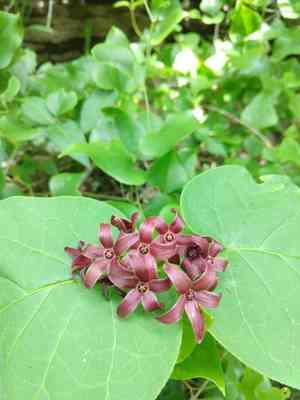
Quickly Identify Carolina milkvine
1
Heart-shaped leaves, 2-4 inches (5-10 cm) long, with acuminate tips and short hairs.
2
Maroon cupped flowers, star-shaped with 5 petals, clustered in groups of 5-10.
3
Distinct physical identity of a climbing vine with broad, ovate leaves arranged oppositely.
4
Leaves contain milky sap and a rich green color aiding in camouflage.
5
Small flowers, 0.5 inches (1.3 cm) in diameter, blooming in late spring to early summer.
Scientific Classification of Carolina milkvine
Phylum
Vascular plants
Class
Dicotyledons
Order
Gentianales
Family
Dogbane
Genus
Milkvines
Species
Carolina milkvine
Planting and Growing of Carolina milkvine
Care Difficulty
Easy
Watering Schedule
Every 2 days
Sunlight Requirements
Partial sun
Sunshine Duration
6-10 hours
Ideal Temperature
70-85℉
Soil Type
Potting Mix, Peat Mix
Soil pH
6.5-7.5
Fertilizer Type
Balanced
Pruning Season
Spring, Summer
Pruning Area
Branches, Leaves
Pruning Frequency
2 times a year
Repotting Season
Spring
Pot Type
Plastic, Ceramic
 How to Water Carolina milkvine?
Matelea carolinensis requires moderate watering. Ideally, the soil should be kept consistently moist but not waterlogged. Water the plant with about 250 ml each time, ensuring the moisture penetrates deeply into the soil. This helps the roots develop and prevents topsoil dryness, which can stress the plant.
What are the symptoms of an underwatered Carolina milkvine?
›
What should I do if my Carolina milkvine is not getting enough water?
›
What are the symptoms of an overwatered Carolina milkvine?
›
How to save an overwatered Carolina milkvine?
›
 What Are the Sunlight Requirements for Carolina milkvine?
Partial to full shade is ideal. In these conditions, the plant maximizes its growth potential, maintaining vigor and beauty with efficient use of available light.
More About Sunlight Requirements Techniques→
Optimal Light Conditions for Growth
›
Solutions for Achieving Ideal Lighting
›
Benefits of Ideal Lighting Conditions
›
 What Is the Ideal Temperature Range for Carolina milkvine?
The ideal temperature range for Matelea carolinensis lies between 70°F and 85°F. This range ensures optimal growth and development, allowing the plant to photosynthesize efficiently and maintain its metabolic processes effectively.
 What Soil is Best for Carolina milkvine?
Matelea carolinensis thrives in well-draining soil, which prevents waterlogging and root rot. Ensuring adequate drainage keeps the roots healthy and supports stable growth. This plant benefits from nutrient-rich soil that supports its growth needs. A mix of organic material can provide the essential nutrients it requires, enhancing growth and vitality. Maintaining consistent moisture levels is key for Matelea carolinensis, which can be achieved with loamy or sandy loam soils that retain moisture without becoming waterlogged.
 How to Fertilize Carolina milkvine?
Matelea carolinensis prefers balanced fertilization. For liquid fertilizers, a half-strength solution is recommended, approximately 500 ml per plant during each application. For slow-release fertilizers, use a small amount, around 10 grams per plant annually, ensuring the nutrients are released gradually to avoid over-fertilization.
 How to Prune Carolina milkvine?
Begin by removing any dead or diseased stems and leaves. This not only helps improve the plant’s appearance but also prevents the spread of disease throughout the plant. Follow the natural shape of the Matelea carolinensis when pruning to maintain its aesthetic appeal. Trim back overgrown stems to encourage a more compact and fuller shape, focusing on areas that are sparse. Focusing on thinning out densely packed areas can improve air circulation within the plant. This is vital for reducing the risk of mold and mildew, allowing the plant to thrive.
More About Pruning Techniques→
 How to Propagate Carolina milkvine plant?
1
Soak the seeds in tepid water for 24 hours before planting to soften the seed coat and promote germination. Use a well-drained seed starting mix to plant the seeds.
2
Choose a healthy, non-flowering stem and cut about 4-6 inches in length. Make the cut just below a node to encourage root development.
3
Plant seeds or cuttings in well-draining soil and water lightly. Keep the soil moist but not soggy. Place them in a warm location with indirect sunlight.
 How to Repot Carolina milkvine plant?
1
Matelea carolinensis shows signs it needs repotting when its roots start creeping out of the drainage holes or when the growth appears stunted despite good care. The best time to consider repotting is during its active growing season in spring and summer, allowing the plant to recover quickly and establish well in its new pot.
2
Selecting the right pot for Matelea carolinensis is crucial. Opt for a pot that is slightly larger than the current one, ensuring it has drainage holes to prevent waterlogging. This provides ample room for root growth, reduces the risk of root rot, and ensures your plant can thrive in its new home.
3
Choose a well-draining potting mix that mimics the plant's natural environment. This soil should offer a balance of nutrients and drainage, keeping the roots aerated while retaining enough moisture. A combination with peat, perlite, and sand works wonderfully, promoting healthy root development and growth.
Toxicity
Ingestion of leaves, stems, or sap
WARNING
The judgment on toxicity and danger is for reference only. We DO NOT GUARANTEE any accuracy of such judgment. Therefore, you SHALL NOT rely on such judgment. It is IMPORTANT TO SEEK PROFESSIONAL ADVICE in advance when necessary.
Learn More About Carolina milkvine Diseases
Anthracnose
Bacterial Leaf Spot
Bacterial Soft Rot
Bacterial Wilt
Black Spot
Chemical Injury
Crown Gall
Cyst Nematode
Damping-off
Downy Mildew
Drought Stress
Fusarium Wilt
Gray Mold
Leaf Curl
Leaf Spot
Mosaic
Nutrient Deficiency
Nutrient Toxicity
Powdery Mildew
Root Rot
Root-knot Nematode
Rusts
Sooty Mold
Spider Mites
Temperature Stress
Thrips Damage
White Mold



