The Swollen duckweed Plant Advantage: Maximizing Home and Office Appeal and Wellness
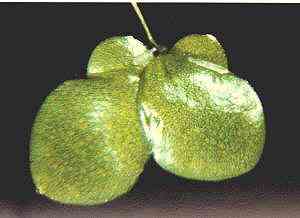
1
Bloated duckweed excels at extracting contaminants from aquatic environments, serving as a superb organic water purifier.
2
This vegetation offers a renewable protein source, perfect for livestock feed and generating biofuel.
3
It proliferates swiftly, yielding rapid organic matter for diverse ecological uses.
How Does Swollen duckweed Clean Water?
Natural Filtration Process
A remarkable characteristic of Swollen duckweed is its capacity to function as a natural water purifier. The plant takes in pollutants and surplus nutrients, such as nitrogen and phosphorus, from the water, which aids in preventing algal blooms and sustaining a healthy aquatic environment. This positions Swollen duckweed as a valuable asset in managing water quality in ponds, lakes, and wastewater treatment facilities.
Heavy Metal Reduction
Beyond filtering nutrients, Swollen duckweed can also absorb heavy metals like lead, arsenic, and mercury from tainted water sources. The plantâs root system plays a vital role in this process, binding the heavy metals and enabling their safe removal from the water. This ability makes Swollen duckweed particularly effective in areas affected by industrial contamination.
Sustainable Biomass Production with Swollen duckweed
Protein-Rich Animal Feed
The rapid growth rate of Swollen duckweed makes it an efficient source of biomass. A notable application of this biomass is as a sustainable and protein-dense feed for livestock, poultry, and fish. This not only helps decrease reliance on traditional feed sources like soy but also fosters more sustainable and eco-friendly agricultural practices.
Biofuel Potential
Beyond its use as animal feed, Swollen duckweed can be converted into biofuels. Because it grows quickly and can be harvested frequently, it serves as a continuous and renewable source of biomass for biofuel creation. This can help lessen dependence on fossil fuels and reduce carbon emissions, aligning with global efforts to combat climate change.
Environmental Impact of Swollen duckweed Cultivation
Ecosystem Balance
The cultivation of Swollen duckweed can positively contribute to maintaining ecological equilibrium. By regulating nutrient levels in aquatic systems, it helps prevent eutrophication, which can lead to dead zones where aquatic life cannot survive. This promotes healthier water bodies and richer biodiversity.
Soil Remediation
In addition to its water purification capabilities, Swollen duckweed can also be utilized in soil remediation. Its capacity to absorb and accumulate heavy metals makes it a potential candidate for phytoremediation projects. By planting Swollen duckweed in contaminated soils, pollutants can be extracted efficiently, helping to restore degraded land.
What Are the Economic Benefits of Swollen duckweed?
Cost-Effective Water Treatment
Implementing Swollen duckweed in water treatment processes is economical compared to conventional chemical treatments. It requires minimal infrastructure and upkeep, reducing the overall expense on water purification. This makes it an appealing option for developing regions where resources may be limited.
Income Generation for Farmers
Farmers can benefit financially from cultivating Swollen duckweed due to its diverse uses, including as animal feed and biofuel. The low input costs and high yield potential make it a profitable crop, offering a consistent source of income. Additionally, its environmental advantages can improve the overall health and productivity of the farmland.
Innovative Uses of Swollen duckweed
Bioplastics Production
With the increasing demand for sustainable materials, Swollen duckweed has found applications in the creation of bioplastics. The biomass derived from this plant can be processed into biodegradable plastics, providing an eco-friendly alternative to traditional petroleum-based plastics. This helps in reducing plastic pollution and promoting circular economy principles.
Pharmaceutical Applications
While the direct use of Swollen duckweed in pharmaceuticals is limited, its potential as a source of bioactive compounds is being investigated. Research is ongoing to identify and extract beneficial compounds from this plant, which could lead to the development of natural health products and supplements in the future.



