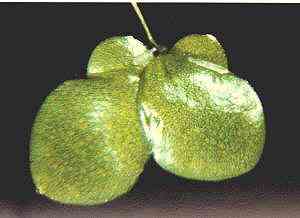
Swollen duckweed (Lemna gibba)
Also known as: Gibbous duckweed, Gibbous duckweek, Duckweed
Lemna gibba, commonly referred to as gibbous duckweed or swollen duckweed, features a small, floating plant body known as a thallus, which typically measures between 3 and 5 millimeters across. A single root extends from the thallus into the water. This species thrives in a variety of stagnant or slow-moving freshwater environments, such as ponds, lakes, and marshes, and can also grow on moist surfaces like mud or damp rocks.
In This Article
Attributes of Swollen duckweed
Lifespan
Perennial
Plant Type
Herb
Plant Height
4 mm
Spread
3 mm to 5 mm
Leaf Color
Green
Flower Size
Very small, less than 1 mm
Flower Color
Green
Images of Swollen duckweed
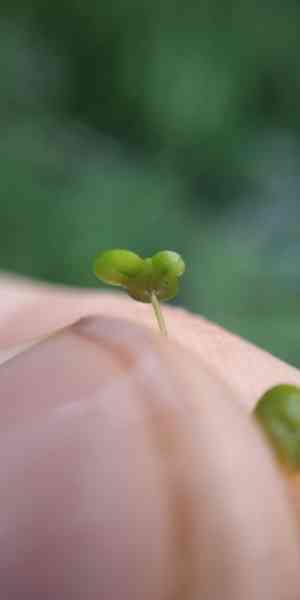
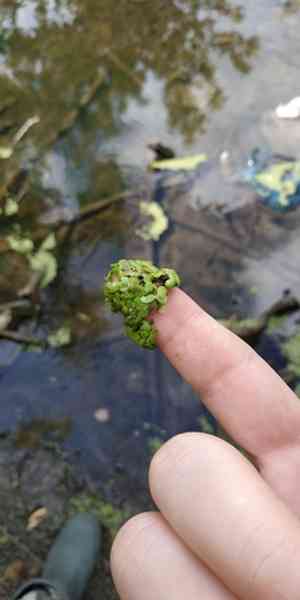
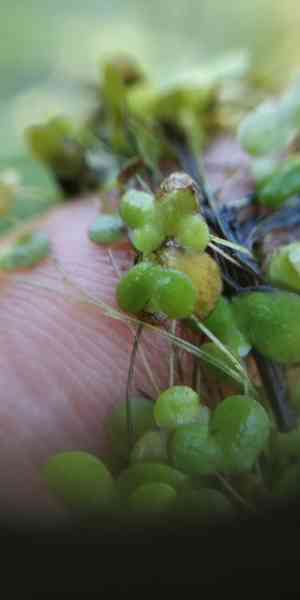
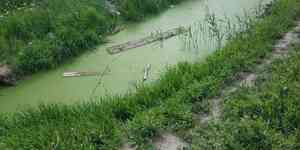
Quickly Identify Swollen duckweed
1
Lemna gibba can be identified by its small, oval, and thick leaves which are often inflated and have a spongy texture. These leaves are usually 3-5 mm in diameter and float on the water\'s surface.
Scientific Classification of Swollen duckweed
Phylum
Vascular plants
Class
Monocotyledons
Order
Alismatales
Family
Arum
Genus
Duckweeds
Species
Swollen duckweed
Planting and Growing of Swollen duckweed
Care Difficulty
Easy
Watering Schedule
Every 8 days
Sunlight Requirements
Partial sun
Sunshine Duration
6-10 hours
Ideal Temperature
68-77℉
Soil Type
Potting Mix, Peat Mix
Soil pH
6.5-7.5
Fertilizer Type
Balanced
Pruning Season
Spring, Summer
Pruning Area
Branches, Leaves
Pruning Frequency
2 times a year
Repotting Season
Spring
Pot Type
Plastic, Ceramic
 How to Water Swollen duckweed?
Lemna gibba, commonly known as the swollen duckweed, thrives in wet conditions. Each watering session should ensure that the plant is thoroughly soaked, almost mimicking its natural aquatic habitat. Use approximately 200 milliliters of water to keep the surface entirely covered with a light layer of water.
What are the symptoms of an underwatered Swollen duckweed?
›
What should I do if my Swollen duckweed is not getting enough water?
›
What are the symptoms of an overwatered Swollen duckweed?
›
How to save an overwatered Swollen duckweed?
›
 What Are the Sunlight Requirements for Swollen duckweed?
Lemna gibba prefers partial sun or full shade, ensuring soft, filtered light. This helps maintain steady growth and vibrant foliage by preventing stress and allowing proper nutrient uptake.
What type of light does Lemna gibba need?
›
How can I ensure my Lemna gibba gets its ideal light?
›
What are the benefits of ideal lighting for Lemna gibba?
›
 What Is the Ideal Temperature Range for Swollen duckweed?
The ideal temperature range for Lemna gibba is between 68°F and 77°F. This range supports optimal metabolic activities and growth. It is crucial to maintain these temperatures for efficient photosynthesis and nutrient uptake. In these conditions, Lemna gibba grows rapidly, providing adequate support for overall plant health.
 What Soil is Best for Swollen duckweed?
Lemna gibba thrives in soil that retains moisture well, as it mimics its natural aquatic habitats. Soils that can hold water allow Lemna gibba to grow vigorously, reducing drought stress and enhancing growth. Rich, nutrient-packed soils are ideal for Lemna gibba. This plant absorbs nutrients directly from the soil, hence a nutrient-dense environment accelerates its growth rate and improves foliage quality. Despite its affiliation with wet areas, Lemna gibba also benefits from soil that is well-aerated. Proper aeration ensures that roots receive adequate oxygen, enhancing metabolic activities and overall plant health.
 How to Fertilize Swollen duckweed?
Lemna gibba, also known as duckweed, requires minimal but consistent nutrient supplementation. For liquid fertilizers, a concentration of 1/4 teaspoon per gallon every two weeks is usually sufficient. For solid slow-release fertilizers, use granules that provide a mild nutrient boost over several months.
 How to Prune Swollen duckweed?
When preparing to prune Lemna gibba, ensure you have a net or skimmer, as these are ideal for gently removing excess fronds. Preparing a basket or bucket to contain the removed plant material helps in keeping your work area tidy. Additionally, wear gloves if you have sensitive skin, as prolonged contact with water can cause irritation. Begin by gently skimming the surface of the water with your net to collect overgrown Lemna gibba fronds. Be sure to cover all areas of your pond or aquarium, as the plant tends to spread quickly. Once you have gathered a sufficient amount of the plant, remove it from the water and place it in your prepared container. Avoid removing too much at once—maintaining a balanced amount of Duckweed is crucial to its role in fostering biodiversity within the aquatic ecosystem. After pruning, observe the remaining Lemna gibba for a few days to ensure it is adjusting well to the reduced frond mass. Check water parameters, as altering the biomass can affect nutrient cycles within your aquatic environment. Continue regular maintenance and monitor your pond or aquarium to ensure healthy growth and balance.
More About Pruning Techniques→
 How to Propagate Swollen duckweed plant?
1
Choose healthy, vibrant Lemna gibba plants as your starting material for propagation. Ensure the plants have well-developed fronds and are free from any visible signs of disease or pest infestations. This will increase the success rate of your propagation efforts.
2
Gently separate clusters of the Lemna gibba using a sterilized sharp knife. Be sure to maintain the integrity of each section by preserving an adequate portion of roots. Handling the plants with care minimizes tissue damage and enhances successful re-establishment in the new growing environment.
3
After division, place the separated sections into containers filled with fresh water. It's vital to ensure that the plants remain afloat and have access to light, as these conditions are critical for successful growth and establishment post-division.
 How to Repot Swollen duckweed plant?
1
Lemna gibba, or the common duckweed, doesn't require frequent repotting. Signals for repotting include overcrowded growth, stagnant water, or a decline in water quality. Ideally, repotting should be done during active growth periods in spring or summer when the plant can quickly adapt to the new environment.
2
For Lemna gibba, choose a shallow, wide container to accommodate its rapid spread and floating nature. This type of pot provides the surface area required for optimal growth and prevents overcrowding. Make sure the pot allows for easy maintenance of water levels to keep the environment healthy for the plant.
3
Use a rich aquatic soil mix that supports the nutrient needs of Lemna gibba. This soil should be dense enough to remain submerged without floating, yet rich enough to provide essential nutrients. The right soil mix supports vibrant and healthy plant growth by maintaining water clarity and quality.



