The Jagged chickweed Plant Advantage: Maximizing Home and Office Appeal and Wellness
1
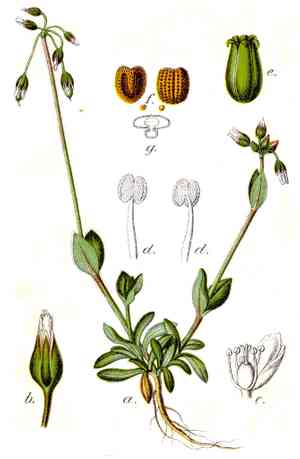
Jagged chickweed is an easy-to-care-for plant that flourishes in diverse soil conditions.
2
This species is recognized for its appealing foliage, which improves the visual appeal of gardens.
3
It offers advantages to local fauna, supplying sustenance and shelter for numerous insects.
Why is Jagged chickweed a Great Addition to Your Garden?
Low Maintenance and Simple to Cultivate
A key attractive feature of Jagged chickweed is its minimal care requirements. Whether you're an experienced gardener or a beginner, this plant flourishes with little attention. It adapts well to various soil types, including sandy, loamy, and clay, making it a flexible option for diverse garden environments.
Enhances Garden Beauty
Jagged chickweed is recognized for its appealing green foliage, which brings a lush, vibrant touch to any garden. Its delicate, serrated leaves create a distinct texture that stands out, whether planted alone or as part of a mixed border. Additionally, the plant's tendency to form dense mats makes it an excellent ground cover, preventing soil erosion and suppressing weed growth.
How Does Jagged chickweed Benefit the Environment?
Supports Local Wildlife
Including Jagged chickweed in your garden can greatly benefit local wildlife. This plant attracts various insects, including bees and butterflies, which are vital for pollination. Furthermore, it serves as a food source and habitat for many insects, contributing to a balanced ecosystem and fostering biodiversity.
Improves Soil Quality
Jagged chickweed also plays a vital role in boosting soil health. Its roots help stabilize the soil, preventing erosion and retaining moisture. Moreover, as the plant grows and decomposes, it adds organic matter to the soil, enriching it and promoting healthy microbial activity. This enhanced soil structure supports the growth of other plants, leading to a more robust and sustainable garden environment.
Can Jagged chickweed Be Used for Landscaping?
Flexible Landscaping Choices
Jagged chickweed offers numerous landscaping possibilities. Whether you aim to create a striking ground cover, fill spaces between larger plants, or add a soft green backdrop to colorful blooms, this plant fits the bill. Its ability to form dense mats makes it perfect for covering large, bare areas of soil, providing a neat and polished look to your garden.
Pairing with Other Plants
This plant combines well with a variety of other species, enhancing the visual appeal and diversity of your garden. Consider planting Jagged chickweed alongside taller perennials or shrubs to create layers of texture and color. Its subtle green tones can offer a perfect contrast to brighter flowers, making your garden visually attractive throughout the seasons.
What Are the Best Methods for Growing Jagged chickweed?
Optimal Growing Conditions
To achieve the best results from Jagged chickweed, it's important to understand its preferred growing conditions. This plant thrives in well-drained soils and can tolerate a range of light conditions, from full sun to partial shade. Regular watering, especially during dry periods, ensures that the plant remains healthy and vigorous.
Propagation Advice
Jagged chickweed can be easily propagated by seed or division. For seed propagation, sow the seeds directly into the garden in early spring or fall. If preferred, you can start seeds indoors and transplant the seedlings once they are strong enough to handle outdoor conditions. Division involves separating an established plant into smaller sections and replanting them, which is an efficient way to expand your garden's coverage of this beneficial plant.
Are There Any Pests or Diseases Affecting Jagged chickweed?
Common Pests
Jagged chickweed is relatively resistant to most pests, but like all plants, it can still fall prey to some common garden pests such as aphids or slugs. Regular monitoring and early intervention can help manage these issues effectively. Natural predators, such as ladybugs for aphids and beer traps for slugs, offer eco-friendly pest control options.
Disease Resistance
This resilient plant has a high resistance to diseases, making it a reliable choice for gardeners looking to minimize maintenance issues. However, ensuring good air circulation and avoiding over-watering can prevent potential fungal infections, such as powdery mildew or root rot, keeping your plants healthy and flourishing.



