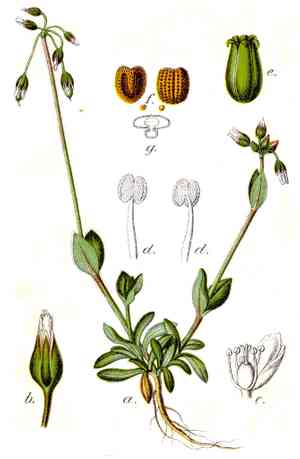
Jagged chickweed (Holosteum umbellatum)
Also known as: Jagged Chickweed
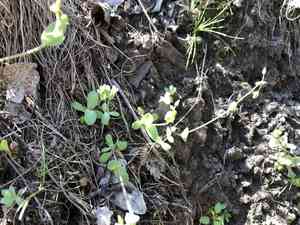
Annual herbaceous plants typically grow to a height of about 3 to 25 cm. Their leaves have a bluish-green hue. The upper part of the stem, and occasionally the entire stem, may be densely covered with glandular hairs. The upper leaves are sessile, ovate, and measure roughly 1 to 1.5 cm in length, while the lower leaves tend to be more elongated.
In This Article
Attributes of Jagged chickweed
Lifespan
Annual
Plant Type
Herb
Plant Height
5 cm to 25 cm
Spread
Not applicable
Leaf Color
Green
Flower Size
0.5-1 cm
Flower Color
White
Images of Jagged chickweed
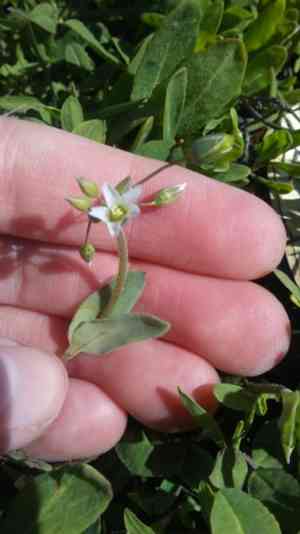
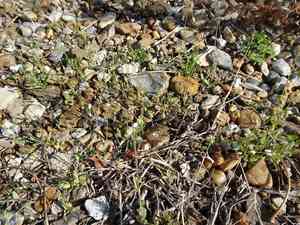
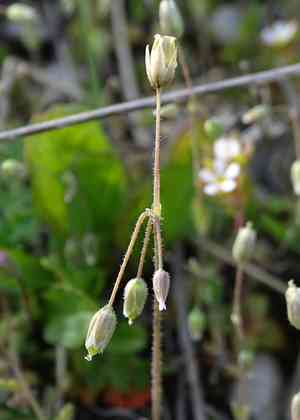
Quickly Identify Jagged chickweed
1
To identify Holosteum umbellatum, look for its distinctive small white flowers arranged in umbels, lanceolate leaves, and slender, branching stems.
Scientific Classification of Jagged chickweed
Phylum
Vascular plants
Class
Dicotyledons
Order
Caryophyllales
Family
Pink
Genus
Jagged chickweed
Species
Jagged chickweed
Planting and Growing of Jagged chickweed
Care Difficulty
Easy
Watering Schedule
Every 2 days
Sunlight Requirements
Partial sun
Sunshine Duration
6-10 hours
Ideal Temperature
50-68℉
Soil Type
Potting Mix, Peat Mix
Soil pH
6.5-7.5
Fertilizer Type
Balanced
Pruning Season
Spring, Summer
Pruning Area
Branches, Leaves
Pruning Frequency
2 times a year
Repotting Season
Spring
Pot Type
Plastic, Ceramic
 How to Water Jagged chickweed?
Holosteum umbellatum requires about 150 ml of water each time. The key to watering this plant is to keep the soil moderately moist without waterlogging it. Water until you see moisture reaching the bottom of the pot.
What are the symptoms of an underwatered Jagged chickweed?
›
What should I do if my Jagged chickweed is not getting enough water?
›
What are the symptoms of an overwatered Jagged chickweed?
›
How to save an overwatered Jagged chickweed?
›
 What Are the Sunlight Requirements for Jagged chickweed?
Holosteum umbellatum benefits from partial sun conditions, with 3 to 6 hours of sunlight being ideal. This balance provides sufficient energy for robust growth and flowering while minimizing risks of sun damage.
How much light does Holosteum umbellatum need daily?
›
How can you ensure Holosteum umbellatum receives ideal light?
›
What benefits does ideal light provide to Holosteum umbellatum?
›
 What Is the Ideal Temperature Range for Jagged chickweed?
Holosteum umbellatum thrives best in temperatures ranging from 50°F to 68°F. These conditions are most conducive to its active growth phase, ensuring that all physiological processes operate smoothly. Maintaining this temperature range enhances leaf development and overall plant vigor, making it an ideal environment for cultivating this species.
 What Soil is Best for Jagged chickweed?
Holosteum umbellatum thrives in nutrient-rich loam, providing essential minerals that ensure robust growth. A well-balanced loamy soil helps retain moisture while offering good drainage, promoting healthy root development. This plant prefers well-drained calcareous soil, which prevents waterlogging and potential root rot. The alkaline nature aids in sturdy stem growth, essential for plant stability and bloom support. Soils with moderate water retention are ideal, preventing the plant from dry spells while avoiding excess moisture. This balance allows Holosteum umbellatum to flourish, maintaining vibrant foliage and blooms.
 How to Fertilize Jagged chickweed?
Holosteum umbellatum needs moderate fertilization to thrive. It's essential to provide nutrients without overwhelming the plant. For liquid fertilizer, a concentration of 1:1000 is generally safe. For slow-release, follow the manufacturer's guidelines and adjust based on plant response.
 How to Prune Jagged chickweed?
Start by inspecting the plant for any dead or damaged leaves and stems. Use clean, sharp scissors or pruning shears to make clean cuts close to the base of each damaged part. For overgrown plants, you can trim back by about a third of their total height, which encourages new growth. Be gentle and avoid cutting the main stem.
More About Pruning Techniques→
 How to Propagate Jagged chickweed plant?
1
Loosen and moisten the potting soil before adding it to the seedling tray. This ensures that the seeds have a soft medium to germinate in and reduces the risk of dry spots.
2
Scatter the seeds evenly over the soil surface in the seedling tray, ensuring adequate space between them. Lightly press them into the soil, but avoid burying them too deep.
3
Gently water the seeds using a spray bottle to avoid dislodging them. Maintain consistent moisture but avoid overwatering, which can lead to fungal problems.
 How to Repot Jagged chickweed plant?
1
Holosteum umbellatum shows signs that it needs repotting when growth slows, or you notice roots coming out of drainage holes. Best practice is to repot early in the spring just as new growth begins, ensuring the plant has maximum time to establish in its new pot during the growing season.
2
Select a pot that is just one size larger than the current one to prevent waterlogging from excess soil. Ensure it has adequate drainage holes to avoid root rot. A too-large pot can hold too much water and cause the roots to sit in moisture.
3
Opt for a well-draining sandy loam soil, which mimics the plant's natural habitat and provides good aeration to the roots. This type of soil ensures that water can flow freely, preventing issues related to overwatering.



