The Spiny sulla Plant Advantage: Maximizing Home and Office Appeal and Wellness
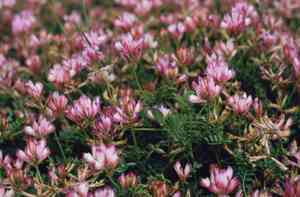
1
Packed with nourishing elements that enhance soil quality.
2
Spiny sulla aids various groups of pollinators.
3
Serves as an effective food source for farm animals.
How Does Spiny sulla Improve Soil Quality?
Nitrogen Fixation
A key attribute of Spiny sulla is its capacity to fix nitrogen within the soil. This process transforms atmospheric nitrogen into a usable form for plant growth. This characteristic makes Spiny sulla an excellent green manure, enhancing soil fertility and boosting subsequent crop yields. By enriching the soil with nitrogen, Spiny sulla reduces the need for synthetic fertilizers, promoting sustainable farming.
Soil Structure Enhancement
Beyond nitrogen fixation, Spiny sulla's deep root system helps break up compacted soil, improving its structure and aeration. Better soil structure leads to improved water retention and drainage, vital for healthy plant development. This feature makes Spiny sulla especially valuable in areas with poor soil, aiding in land rehabilitation and revitalization.
What Are the Environmental Advantages of Spiny sulla?
Pollinator Support
Spiny sulla produces blooms highly attractive to bees, butterflies, and other pollinators. This not only assists Spiny sulla's own reproduction but also supports local pollinator populations. Robust pollinator communities are crucial for ecosystems, as they help pollinate a wide array of other plants, contributing to biodiversity and crop production.
Erosion Prevention
Spiny sulla's extensive root system also plays a vital role in preventing soil erosion. By anchoring the soil, it lessens the risk of nutrient loss and degradation from wind and water erosion. This is particularly beneficial in sloped or flood-prone regions where soil erosion can be a major concern.
Can Spiny sulla Be Used as Animal Feed?
Nutritional Content
Spiny sulla is highly valued as livestock forage due to its rich nutritional profile. It contains a balanced mix of proteins, vitamins, and minerals, making it an excellent food source for animals. Regular consumption of Spiny sulla can lead to improved animal health, increased weight gain, and higher milk output.
Palatability
Another benefit of Spiny sulla as forage is its palatability. Livestock generally find the plant appealing, encouraging them to consume it readily. This palatability, combined with its nutritional advantages, makes Spiny sulla a valuable addition to any livestock feeding program. Furthermore, the plant's resilience and ease of establishment mean it can be grown with relatively low input costs.
How Can Farmers Integrate Spiny sulla into Their Farming Practices?
Crop Rotation
Spiny sulla can be smoothly incorporated into crop rotation systems. As a leguminous plant, it can be alternated with cereal crops to restore soil nitrogen levels. This practice not only improves soil health but also disrupts pest and disease cycles, contributing to overall farm sustainability.
Intercropping
Another effective method for integrating Spiny sulla into agriculture is through intercropping. By cultivating Spiny sulla alongside other crops, farmers can maximize land use efficiency and benefit from the plant's nitrogen-fixing properties. This approach can enhance the growth and yield of companion crops, leading to better farm productivity and profitability.



