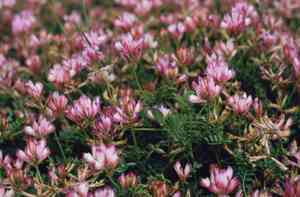
Spiny sulla (Hedysarum spinosissimum)
Also known as: Spiny Sainfoin
Spiny sulla is primarily located in sunny meadows, grasslands, and disturbed regions within the Mediterranean area. It blooms from spring to early summer, though it produces fewer flowers compared to other species in its genus. Due to its rarity, detailed information about the plant is limited.
In This Article
Attributes of Spiny sulla
Lifespan
Annual
Plant Type
Herb
Plant Height
0.3 to 0.9 meters
Spread
Typically up to 0.6 meters
Leaf Color
Green
Flower Size
Approximately 1 to 2 cm
Flower Color
Pink Purple
Images of Spiny sulla
Quickly Identify Spiny sulla
1
Look for its spiny branches and pinnate leaves with small leaflets. The flowers are pea-like, typically pink or purple, and arranged in racemes.
Scientific Classification of Spiny sulla
Phylum
Vascular plants
Class
Dicotyledons
Order
Fabales
Family
Legume
Genus
Sweetvetches
Species
Spiny sulla
Planting and Growing of Spiny sulla
Care Difficulty
Easy
Watering Schedule
Every 2 days
Sunlight Requirements
Full sun
Sunshine Duration
4-8 hours
Ideal Temperature
60-75℉
Soil Type
Potting Mix, Peat Mix
Soil pH
6.5-7.5
Fertilizer Type
Balanced
Pruning Season
Spring, Summer
Pruning Area
Branches, Leaves
Pruning Frequency
2 times a year
Repotting Season
Spring
Pot Type
Plastic, Ceramic
 How to Water Spiny sulla?
Hedysarum spinosissimum requires a consistent yet moderate watering strategy. Pour approximately 500 ml of water per session, ensuring that the soil is thoroughly moistened but not waterlogged. This keeps the root system healthy and supports optimal plant growth.
What are the symptoms of an underwatered Spiny sulla?
›
What should I do if my Spiny sulla is not getting enough water?
›
What are the symptoms of an overwatered Spiny sulla?
›
How to save an overwatered Spiny sulla?
›
 What Are the Sunlight Requirements for Spiny sulla?
The plant prefers full sun conditions, benefiting from consistent lighting that supports vigorous growth and flowering, enhancing overall plant strength and resilience.
What is the best sunlight for Hedysarum spinosissimum?
›
How can I ensure it gets ideal lighting?
›
What are the benefits of ideal lighting?
›
 What Is the Ideal Temperature Range for Spiny sulla?
The ideal temperature range for cultivating Hedysarum spinosissimum falls between 60 and 75 degrees Fahrenheit. Within this range, the plant is able to perform its essential biological processes efficiently, promoting optimal growth and health. Temperatures within these limits ensure proper metabolic function and energy production necessary for healthy development.
 What Soil is Best for Spiny sulla?
Hedysarum spinosissimum thrives best in well-drained soil, preventing root rot. This condition ensures the plant's roots have enough oxygen, supporting healthy growth and vibrant flowering. This plant favors slightly alkaline conditions, which enhance nutrient availability. An optimal pH between 6.5 and 7.5 ensures efficient nutrient uptake, promoting lush and robust development. The soil should offer a rich supply of organic matter, providing essential nutrients and enhancing soil structure. This results in vigorous plant growth and reinforces resilience against environmental stress.
 How to Fertilize Spiny sulla?
Hedysarum spinosissimum benefits from a balanced approach to fertilizer. Use a liquid fertilizer at a concentration of 1 teaspoon per gallon of water to avoid over-fertilization. For slow-release granules, spread a small handful around each plant, ensuring they're evenly distributed but not in direct contact with the stem, to prevent burning.
 How to Prune Spiny sulla?
Prune to maintain the natural form and remove any crossing branches. Begin by removing any dead or diseased branches, cutting them back to healthy wood. Then focus on creating a balanced structure to ensure optimal growth. Cut just above a healthy bud and angle the cut away from the bud to promote better growth. Thin out the interior branches to improve light penetration and air circulation. This helps prevent fungal diseases and encourages new growth. Remove about one-third of the old wood each spring, making way for young, healthier branches.
More About Pruning Techniques→
 How to Propagate Spiny sulla plant?
1
Before sowing, soak the seeds in warm water for 24 hours. This helps to soften the seed coat and promotes faster germination. Ensure the seeds are free from any signs of mold or damage.
2
Scatter the seeds evenly over the seed tray filled with potting mix. Cover them lightly with a layer of soil, about 1/4 inch deep. Maintain consistent moisture by misting the soil surface regularly.
3
Maintain a temperature range of 65-75°F (18-24°C) for optimal germination. This can be facilitated by placing the seed tray in a warm, sunny location or using a heat mat.
 How to Repot Spiny sulla plant?
1
Hedysarum spinosissimum shows clear signs when it needs repotting. Look for roots growing out of drainage holes or if the plant becomes root-bound and starts to struggle with growth. The plant may look less vibrant, indicating it's time for a fresh start in a new pot. Spring and early Summer are ideal to give it plenty of time to establish before any environmental stress.
2
Select a pot that is slightly bigger than the current one, with good drainage holes to prevent waterlogging. A clay or terracotta pot works well as it allows the soil to dry out between waterings. Adequate drainage and size ensure the roots have room to grow without becoming waterlogged, promoting healthier growth.
3
A well-draining sandy soil mix is crucial for Hedysarum spinosissimum. This blend provides excellent drainage and mimics its natural rocky habitat, preventing root rot by allowing excess water to escape easily. The gritty texture also ensures enough air circulation around the roots, maintaining optimal health.
Learn More About Spiny sulla Diseases
Anthracnose
Bacterial Leaf Spot
Bacterial Wilt
Crown Gall
Cyst Nematode
Damping-off
Downy Mildew
Drought Stress
Fusarium Wilt
Gray Mold
Leaf Curl
Leaf Spot
Mosaic
Nutrient Deficiency
Nutrient Toxicity
Powdery Mildew
Root Rot
Root-knot Nematode
Rusts
Sooty Mold
Spider Mites
Temperature Stress
Thrips Damage
White Mold
Chemical Injury



