The Shore buttercup Plant Advantage: Maximizing Home and Office Appeal and Wellness
1
This flora thrives vigorously in damp environments.
2
It contributes significantly to preserving ecological equilibrium.
3
Shore buttercup offers an attractive enhancement to any landscape.
What Makes Shore buttercup Special?
Visual Appeal
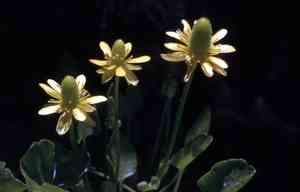
Shore buttercup introduces a lively yellow hue to any setting, making it a preferred choice for gardeners seeking a burst of color. Its vivid blooms can enhance the beauty of garden beds, edges, and water features, offering visual interest and diversity.
Versatility
A remarkable characteristic of Shore buttercup is its adaptability. It flourishes in various soil types, though it particularly favors moist and boggy conditions. This makes it an excellent selection for water gardens, rain gardens, and wetland rehabilitation efforts.
Ecological Benefits of Shore buttercup
Supporting Biodiversity
Shore buttercup plays a vital role in sustaining local biodiversity. Its flowers draw in diverse pollinators, including bees and butterflies, which are crucial for ecosystem health. By cultivating Shore buttercup, you provide a valuable food source for these beneficial insects.
Erosion Control
Thanks to its robust root system, Shore buttercup excels at stabilizing soil and preventing erosion. This makes it an important plant for preserving the integrity of riverbanks, lake edges, and other areas susceptible to soil erosion.
How to Cultivate Shore buttercup Successfully
Optimal Growing Conditions
Shore buttercup prefers damp to wet soils and can endure standing water. It thrives best in full sun to partial shade. When planting, ensure the soil remains consistently moist to replicate its natural habitat.
Planting and Maintenance Advice
For best growth, plant Shore buttercup in early spring or late autumn. Space plants approximately 12 to 18 inches apart to allow for ample development. Consistent watering is crucial, especially during dry spells. Removing spent flowers can encourage more blooming and improve the plant's overall look.
Landscape Uses for Shore buttercup
Garden Design
Shore buttercup is a flexible plant for various garden designs. It can be utilized as a groundcover, along borders, or in container gardens. Its bright flowers add a touch of brilliance and can complement other perennials and annuals in your garden.
Wetland Restoration
Given its preference for wet environments, Shore buttercup is frequently employed in wetland restoration projects. It aids in reestablishing vegetation in degraded wetland areas, providing habitat for wildlife and enhancing water quality through natural filtration processes.
Environmental Impact of Shore buttercup
Water Quality Improvement
Shore buttercup positively impacts water quality by acting as a natural filter. It helps remove pollutants and excess nutrients from water bodies, thereby improving the overall health of aquatic ecosystems.
Carbon Sequestration
Like many plants, Shore buttercup contributes to carbon sequestration by absorbing carbon dioxide during photosynthesis. This helps reduce atmospheric CO2, which is beneficial for mitigating climate change.
Challenges and Considerations
Invasive Potential
While Shore buttercup offers many benefits, it's important to monitor its growth to prevent it from becoming invasive in certain settings. Regular upkeep and appropriate planting can help manage its spread.
Dealing with Pests
Shore buttercup is relatively pest-resistant, but it can occasionally be affected by common garden pests like aphids and slugs. Monitoring plant health and using natural pest control methods can help maintain its vigor.



