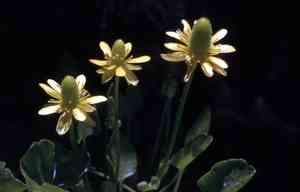
Shore buttercup (Halerpestes cymbalaria)
Also known as: N/A
The perennial wildflower you're referring to is likely the Shore Buttercup (*Halerpestes cymbalaria*). This plant typically grows between 10 to 41 cm in height and often spreads across the ground or in shallow water, creating mats. It produces small yellow flowers resembling buttercups in the spring. You can commonly find it along riverbanks, as well as in marshes, swamps, and ditches.
In This Article
Attributes of Shore buttercup
Lifespan
Perennial
Plant Type
Herb
Plant Height
40 cm
Spread
N/A
Leaf Color
Green
Flower Size
6 mm to 8 mm
Flower Color
Yellow
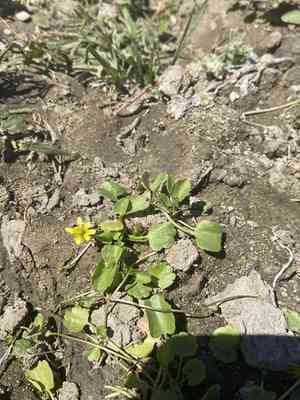
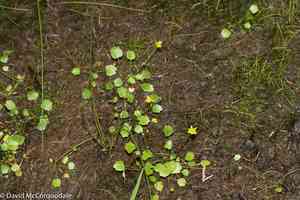
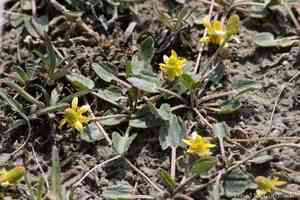
Images of Shore buttercup
Quickly Identify Shore buttercup
1
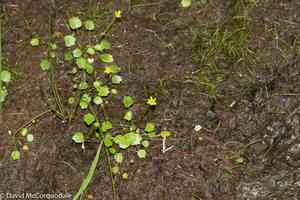
Identification of Halerpestes cymbalaria can be done by observing its small, round, kidney-shaped leaves and its tiny buttercup-like yellow flowers. The plant often forms mats on wet soils or in shallow water.
Scientific Classification of Shore buttercup
Phylum
Vascular plants
Class
Dicotyledons
Order
Ranunculales
Family
Buttercup
Genus
Halerpestes
Species
Shore buttercup
Planting and Growing of Shore buttercup
Care Difficulty
Easy
Watering Schedule
Every 3 days
Sunlight Requirements
Partial sun
Sunshine Duration
4-6 hours
Ideal Temperature
60-75℉
Soil Type
Potting Mix, Peat Mix
Soil pH
6.5-7.5
Fertilizer Type
Balanced
Pruning Season
Spring, Summer
Pruning Area
Branches, Leaves
Pruning Frequency
2 times a year
Repotting Season
Spring
Pot Type
Plastic, Ceramic
 How to Water Shore buttercup?
For Halerpestes cymbalaria, ensure the soil is moist but not waterlogged. Water until the moisture reaches about 2 inches deep. This helps the roots access the necessary hydration without being soaked.
What are the symptoms of an underwatered Shore buttercup?
›
What should I do if my Shore buttercup is not getting enough water?
›
What are the symptoms of an overwatered Shore buttercup?
›
How to save an overwatered Shore buttercup?
›
 What Are the Sunlight Requirements for Shore buttercup?
Halerpestes cymbalaria benefits most from partial sun exposure. Access to 3 to 6 hours of sunlight daily ensures robust growth and lush foliage. Ideal lighting supports healthy photosynthesis, promoting vigorous health and bloom consistency.
How much sun does Halerpestes cymbalaria need?
›
What is the best location for optimal sunlight?
›
What are the benefits of ideal light conditions?
›
 What Is the Ideal Temperature Range for Shore buttercup?
For optimal growth, Halerpestes cymbalaria thrives best within a temperature range of 60 to 75°F. This range allows the plant to maintain its physiological processes efficiently, ensuring healthy foliage and blossoming. Deviations from this range may not immediately harm the plant, but could lead to stress over time.
 What Soil is Best for Shore buttercup?
This plant thrives in nutrient-rich soil, which ensures that it receives a steady supply of essential minerals and vitamins. Such soil supports vigorous growth and lush foliage development, making the plant healthy and resilient. Adequate drainage is crucial for preventing waterlogging, which can lead to root rot. Well-draining soils provide aeration to the roots, promoting healthy growth and minimizing the risk of diseases associated with excessive moisture. While drainage is important, the soil should also retain enough moisture to sustain the plant during dry periods. This balance helps in maintaining consistent hydration levels, reducing the stress on the plant and supporting continuous growth.
 How to Fertilize Shore buttercup?
For Halerpestes cymbalaria, a balanced approach to fertilizing is essential. Use a diluted liquid fertilizer at a strength of 1/4 of the recommended label amount to avoid nutrient burn. Alternatively, for solid fertilizers, apply about one tablespoon per square foot of soil. This ensures the plant receives necessary nutrients without overwhelming its system.
 How to Prune Shore buttercup?
Start by cutting back any dead or yellowing leaves at the base of the plant. This will improve the overall appearance and vitality of Halerpestes cymbalaria. Make clean cuts at a 45-degree angle to facilitate better healing and avoid water pooling on the cuts, which can lead to rot. Shape the plant by trimming longer stems that are extending beyond the desired shape. Regular shaping keeps the plant compact and bushy, ensuring more blooms. Aim for a pleasing symmetrical form that will encourage an even distribution of sunlight and resources across the plant. Prune right after the flowering period to avoid cutting off flower buds. Halerpestes cymbalaria blooms profusely, and timing your pruning helps ensure you enjoy continuous flowering throughout the seasons. Removing spent blooms encourages the plant to focus energy on new growth and blooms.
More About Pruning Techniques→
 How to Propagate Shore buttercup plant?
1
Begin by filling pots with a nutrient-rich, well-draining soil mix. Scatter seeds evenly over the soil surface and lightly cover them with a thin layer of soil. Water gently to avoid disturbing the seeds, and place them in a warm, bright location.
2
When dividing Halerpestes cymbalaria, select a mature plant with healthy growth. Use a sharp, sterilized knife to cut through the root ball, ensuring each section has roots and shoots. Handle the plant gently to avoid damage.
3
After dividing, prepare new planting sites or pots with fresh soil. Insert the divided sections into the soil, ensuring that roots are well-covered. Firm the soil gently around the base and water thoroughly to settle the plant.
 How to Repot Shore buttercup plant?
1
Halerpestes cymbalaria shows signs such as overcrowding of roots, slow growth, or when water drains too quickly through the pot, indicating it's time to repot. Spring and autumn are ideal seasons for repotting to avoid the extreme summer heat and winter dormancy.
2
Select a pot that is one size larger than the current one, with ample drainage holes. The extra space allows roots to spread and grow without becoming waterlogged, promoting healthier root systems and vigorous plant growth.
3
Opt for well-draining loam soil; this soil type provides an excellent balance between water retention and air circulation to the roots, preventing root rot and encouraging healthy, robust growth for your Halerpestes cymbalaria.
Learn More About Shore buttercup Diseases
Anthracnose
Bacterial Leaf Spot
Bacterial Soft Rot
Black Spot
Chemical Injury
Crown Gall
Cyst Nematode
Damping-off
Downy Mildew
Drought Stress
Fusarium Wilt
Gray Mold
Leaf Curl
Leaf Spot
Mosaic
Nutrient Deficiency
Nutrient Toxicity
Powdery Mildew
Root Rot
Root-knot Nematode
Rusts
Sooty Mold
Spider Mites
Temperature Stress
Thrips Damage
White Mold



