The Chocolate Lily Plant Advantage: Maximizing Home and Office Appeal and Wellness
1
Chocolate Lily flourishes in damp, adequately drained ground and shaded spots.
2
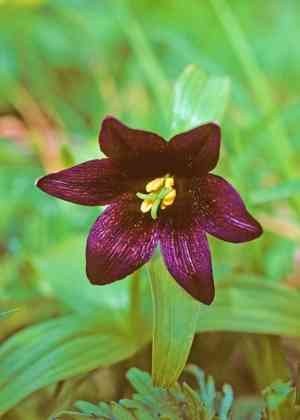
Chocolate Lily offers a distinctive flair to your garden through its impressive dark blossoms.
3
Chocolate Lily has historically been utilized by native communities for diverse applications.
What Are the Ecological Advantages of Chocolate Lily?
Improves Soil Health
Chocolate Lily is recognized for its capacity to enhance soil quality. Its root system aids in soil aeration, which promotes superior water absorption and nutrient uptake. Furthermore, the organic matter from its decaying foliage enriches the soil, boosting its fertility over time.
Supports Biological Diversity
Chocolate Lily plays a vital role in sustaining local biodiversity. Its blossoms attract various pollinators, including bees and butterflies, thereby contributing to the pollination of other plants within the ecosystem. Additionally, it offers habitat and sustenance for numerous small insects and animals, fostering a balanced and thriving ecosystem.
How Does Chocolate Lily Function as an Ornamental Plant?
Distinctive Visual Appeal
A primary reason Chocolate Lily is valued as an ornamental plant is its unique aesthetic charm. The plant showcases bell-shaped flowers that gracefully droop, creating a captivating sight in any garden environment. Its dark, chocolate-hued petals beautifully contrast with green foliage, adding a dramatic flair to garden landscapes.
Minimal Upkeep Requirements
Chocolate Lily demands relatively little maintenance compared to other ornamental plants. It flourishes in moist, well-drained soils and prefers shaded areas, making it ideal for gardens with less sunlight. Moreover, its robust nature means it needs minimal intervention once established, making it a favorite among gardeners.
Can Chocolate Lily Be Utilized in Traditional Practices?
Cultural Importance
Chocolate Lily holds cultural significance for various indigenous communities. Historically, it has been employed in numerous ways, from food sources to ceremonial purposes. The plant is considered a valuable natural resource, reflecting the profound connection between indigenous cultures and their surrounding environment.
Diverse Applications
Beyond its cultural importance, Chocolate Lily has diverse applications. Its bulbs were frequently consumed as food, while different parts of the plant were used for their natural fibers and dyes. This versatility highlights the plantâs integral role in traditional ways of life.
What Are the Optimal Methods for Cultivating Chocolate Lily?
Ideal Growing Conditions
To successfully cultivate Chocolate Lily, providing the correct growing conditions is essential. The plant thrives in environments with moist, well-drained soils and partial to full shade. Replicating its natural habitat can yield the best growth outcomes.
Propagation Methods
Propagating Chocolate Lily can be achieved through seeds or bulb division. For optimal growth, it is advisable to plant the bulbs in the fall, allowing them to establish roots before the growing season. Proper spacing and soil preparation are crucial steps in the propagation process.
How to Integrate Chocolate Lily into Your Garden Design?
Complementary Plant Pairings
Incorporating Chocolate Lily into your garden design involves selecting complementary plant pairings. Plants with similar moisture and shade requirements, such as ferns and hostas, make excellent companions. These combinations can create a visually appealing and harmonious garden setting.
Design Concepts
Consider planting Chocolate Lily along shaded pathways, in woodland gardens, or beneath trees where light is filtered. Its distinctive flowers can serve as focal points, attracting attention and adding a touch of elegance to your garden layout.



