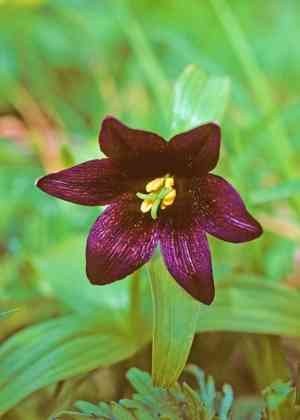
Chocolate Lily (Fritillaria camschatcensis)
Also known as: Black lily, Skunk lily, Outhouse lily, Rice lily, Indian rice
The chocolate lily (Fritillaria camschatcensis) emits a distinctive odor that attracts pollinating flies. It flourishes in consistently moist soils, commonly found in coastal areas and rainforests, where the soil remains damp year-round.
In This Article
Attributes of Chocolate Lily
Lifespan
Perennial
Plant Type
Herb
Plant Height
60 cm
Spread
10 cm
Leaf Color
Green
Flower Size
3 cm
Flower Color
Purple Yellow Green Brown Black
Images of Chocolate Lily
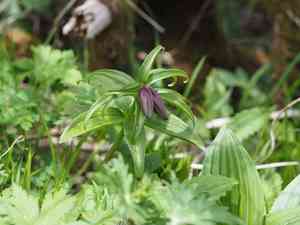
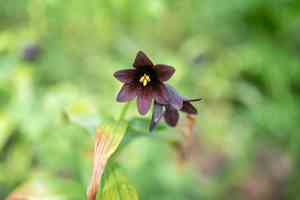
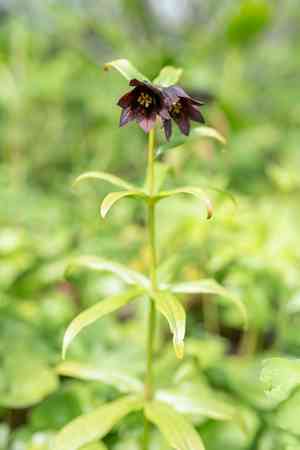
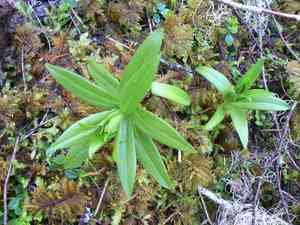
Quickly Identify Chocolate Lily
1
Identify Fritillaria camschatcensis by its unique dark, bell-shaped flowers, typically appearing nearly black or deep brown in the wild. The plant usually grows in damp, wooded areas and can be seen blooming in late spring to early summer.
Scientific Classification of Chocolate Lily
Phylum
Vascular plants
Class
Monocotyledons
Order
Liliales
Family
Lily
Genus
Fritillaries
Species
Chocolate Lily
Planting and Growing of Chocolate Lily
Care Difficulty
Hard
Watering Schedule
Every 3 days
Sunlight Requirements
Partial sun
Sunshine Duration
6-10 hours
Ideal Temperature
60-75℉
Soil Type
Potting Mix, Peat Mix
Soil pH
5.5-7.2
Fertilizer Type
Balanced
Pruning Season
Spring, Summer
Pruning Area
Branches, Leaves
Pruning Frequency
2 times a year
Repotting Season
Spring
Pot Type
Ceramic, Plastic
 How to Water Chocolate Lily?
Fritillaria camschatcensis prefers a well-drained soil that is evenly moist. Watering should be thorough but not excessive. Ensure the soil is moist to a depth of 2 inches, allowing the roots ample hydration while preventing waterlogging, which can lead to root rot.
What are the symptoms of an underwatered Chocolate Lily?
›
What should I do if my Chocolate Lily is not getting enough water?
›
What are the symptoms of an overwatered Chocolate Lily?
›
How to save an overwatered Chocolate Lily?
›
 What Are the Sunlight Requirements for Chocolate Lily?
Fritillaria camschatcensis benefits from partial sun to full shade environments. Ideal light ensures consistent blooming, robust growth, and reduced susceptibility to diseases.
More About Sunlight Requirements Techniques→
What is the best lighting environment for Fritillaria camschatcensis?
›
How to ensure Fritillaria camschatcensis gets optimal light exposure?
›
What are the benefits of providing ideal light to Fritillaria camschatcensis?
›
 What Is the Ideal Temperature Range for Chocolate Lily?
The ideal temperature range for Fritillaria camschatcensis is between 60°F and 75°F. This temperature range facilitates optimal growth and flowering by providing a temperate environment that mimics the plant's natural habitat.
 What Soil is Best for Chocolate Lily?
Fritillaria camschatcensis thrives in soil that retains moisture without becoming waterlogged. Consistent moisture helps this plant develop its bulbs and maintain healthy foliage, crucial for its spring growth. The soil should be rich in organic matter to support the nutrient demands of the plant. An abundance of humus can supply the necessary nutrients for robust growth and flower production. Well-aerated soil prevents root rot by allowing excess water to drain and facilitates root growth. This condition is especially beneficial in avoiding common plant ailments caused by compacted soils.
 How to Fertilize Chocolate Lily?
For Fritillaria camschatcensis, balanced and moderate fertilization is key. In terms of liquid fertilizers, apply around 10-15 ml of a diluted solution (1:1000) per plant, ensuring it provides essential nutrients without causing root damage or soil imbalance. This plant prefers nutrient-rich environments yet is sensitive to over-fertilization.
 How to Prune Chocolate Lily?
Ensure your pruning shears and tools are sterilized and sharp. This helps in making clean cuts, which minimizes damage to the plant. Sharpened tools prevent crushing the stems, which promotes quick healing. Look for any dead, diseased, or damaged leaves and stems. Removing these helps to prevent the spread of disease within the plant and improves air circulation around the remaining healthy foliage. Once the plant has flowered, trim back spent blooms and any excessively long stems to promote bushiness. This helps in redirecting the plant's energy from seed production to healthy new growth and rooting.
More About Pruning Techniques→
 How to Propagate Chocolate Lily plant?
1
To propagate using seeds, fill the seed tray with a well-draining potting mix. Sow the seeds on the surface, lightly covering them with soil. Maintain a consistent moisture level to aid germination.
2
Carefully dig up the plant using a garden trowel during early spring. Separate the bulbs ensuring each division has roots attached. Replant the divisions at the same depth they were growing initially.
3
After sowing seeds or dividing bulbs, ensure they are placed in a location with partial shade and moderate humidity. This mimics their natural habitat, promoting healthy growth.
 How to Repot Chocolate Lily plant?
1
Fritillaria camschatcensis signals that it needs repotting when its growth becomes stunted and roots are visibly growing through drainage holes. Ideally, repot before new growth in spring or after flowering in autumn to minimize plant stress.
2
Choose a pot that is one size larger than its current container, with ample drainage holes. A slightly larger pot allows ample space for root growth while ensuring sufficient drainage, reducing the risk of waterlogging which can harm the plant.
3
Opt for rich, well-drained soil tailored for bulb plants. Such soil retains just the right amount of moisture while ensuring good aeration and preventing bulb rot, thereby promoting healthy growth and vibrant blooms.
Toxicity
Ingestion
WARNING
The judgment on toxicity and danger is for reference only. We DO NOT GUARANTEE any accuracy of such judgment. Therefore, you SHALL NOT rely on such judgment. It is IMPORTANT TO SEEK PROFESSIONAL ADVICE in advance when necessary.
Learn More About Chocolate Lily Diseases
Anthracnose
Bacterial Leaf Spot
Bacterial Soft Rot
Bacterial Wilt
Chemical Injury
Crown Gall
Cyst Nematode
Damping-off
Downy Mildew
Drought Stress
Fusarium Wilt
Gray Mold
Leaf Spot
Mosaic
Nutrient Deficiency
Nutrient Toxicity
Powdery Mildew
Root Rot
Root-knot Nematode
Rusts
Sooty Mold
Spider Mites
Temperature Stress
Thrips Damage
White Mold



