The Viviparous sheep's fescue Plant Advantage: Maximizing Home and Office Appeal and Wellness
1
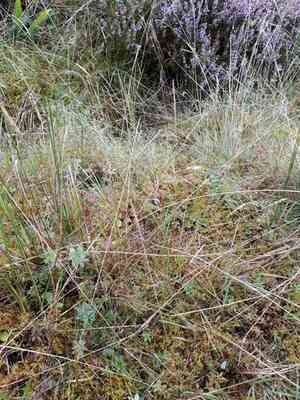
Viviparous sheep's fescue is recognized for its capacity to stabilize earth and prevent soil loss.
2
This hardy grass flourishes in numerous challenging habitats.
3
Viviparous sheep's fescue offers superb fodder for farm animals and sustains varied ecosystems.
What is Viviparous sheep's fescue?
Overview
Viviparous sheep's fescue is a perennial grass from the Poaceae family. It originates from temperate zones and has adapted to flourish in various environmental conditions, including infertile soils and high elevations. This grass gets its name from its capacity to produce seeds that sprout while still attached to the parent plant, a unique trait called vivipary.
Growth Habits
Viviparous sheep's fescue forms dense clusters and possesses slender, needle-like leaves that help it endure grazing and trampling. The plant's roots penetrate deep into the earth, making it highly effective at stabilizing the ground and preventing erosion. This deep root system also enables the grass to access nutrients and water from lower soil strata.
Why is Soil Stabilization Important?
Erosion Control
One of the most significant advantages of Viviparous sheep's fescue is its ability to prevent soil erosion. Its dense root system helps to bind the soil, reducing runoff and protecting against landslides. This makes Viviparous sheep's fescue particularly valuable in areas prone to erosion, such as slopes, riverbanks, and newly developed areas.
Improving Soil Health
Viviparous sheep's fescue not only prevents erosion but also contributes to enhancing soil health. Its root system improves soil structure, allowing for better water infiltration and aeration. Over time, Viviparous sheep's fescue helps increase organic matter in the soil, fostering a healthier and more productive growing environment.
How does Viviparous sheep's fescue Support Biodiversity?
Habitat Creation
Viviparous sheep's fescue offers habitat and sustenance for various wildlife. Its thick foliage provides shelter for small mammals and birds, while its seeds are a vital food source for insects and birds. Planting Viviparous sheep's fescue can promote biodiversity by creating a micro-ecosystem that supports diverse life forms.
Companion Planting
Viviparous sheep's fescue can be an excellent companion plant in mixed plantings. Its ability to grow in poor soils and harsh conditions makes it a reliable choice for integrating into different planting schemes. By providing ground cover and reducing weed competition, Viviparous sheep's fescue allows other plants to establish and thrive more easily.
Can Viviparous sheep's fescue Be Used for Forage?
Livestock Nutrition
Viviparous sheep's fescue is recognized for its high nutritional content and palatability, making it an excellent forage option for livestock. It is particularly valued in regions where other forage crops struggle to grow due to poor soil conditions or extreme weather.
Sustainable Farming
By providing a dependable forage source, Viviparous sheep's fescue contributes to sustainable farming practices. It requires minimal inputs and can thrive in marginal lands, meaning it can be cultivated without competing with food crops for the best agricultural land. This sustainable approach can help reduce the environmental footprint of livestock farming.
How Can You Cultivate Viviparous sheep's fescue in Your Garden?
Planting Tips
To successfully grow Viviparous sheep's fescue in your garden, begin by selecting the appropriate location. This grass prefers well-drained soils but is adaptable to various soil types. Prepare the soil by removing weeds and incorporating organic matter to improve soil structure. Sow the seeds in the spring or autumn and cover them lightly with soil. Water regularly until the plants are established.
Maintenance
Viviparous sheep's fescue is low-maintenance once established. It requires minimal watering and no fertilization under normal conditions. However, occasional mowing can help maintain a neat appearance and encourage new growth. Remove any dead or diseased material to keep the grass healthy and vigorous.



