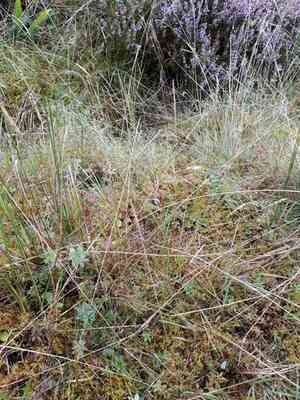
Viviparous sheep's fescue (Festuca vivipara)
Also known as: Viviparous Fescue
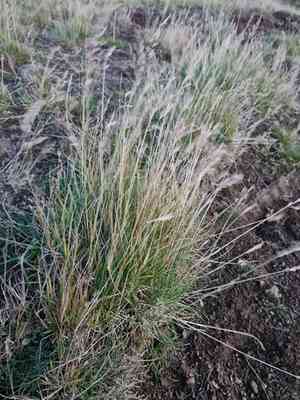
Festuca vivipara is a perennial grass that typically reaches heights of 5 to 20 cm, characterized by fine, thread-like stems. It forms dense tufts and has smooth or slightly hairy internodes. The dead leaf sheaths may either remain intact or break down into fibers, while living sheaths often have a purplish tint and a noticeable central vein. Occasionally, the auricles exhibit a distinct swelling.
In This Article
Attributes of Viviparous sheep's fescue
Lifespan
Perennial
Plant Type
Grass
Plant Height
30 cm
Spread
30 cm
Leaf Color
Green
Flower Size
1-2 cm
Flower Color
Greenish
Images of Viviparous sheep's fescue
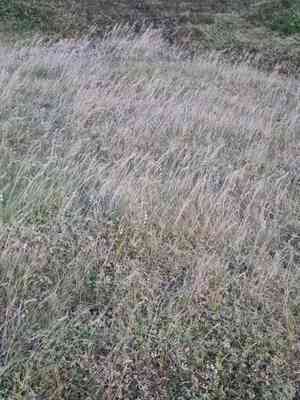
Quickly Identify Viviparous sheep's fescue
1
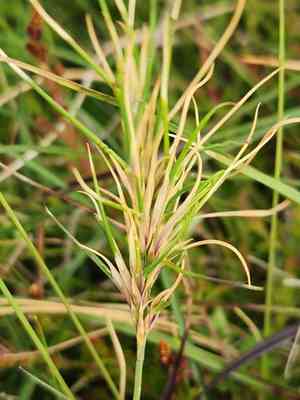
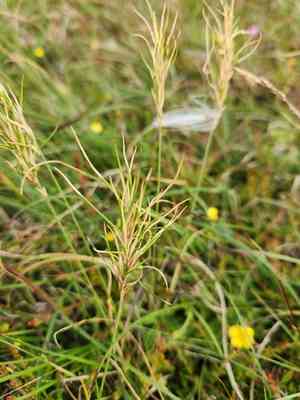
Identify this grass by its dense tufts and narrow leaves. The plant produces spikelets that can give rise to new grass tufts while still attached, thanks to its viviparous nature.
Scientific Classification of Viviparous sheep's fescue
Phylum
Vascular plants
Class
Monocotyledons
Order
Poales
Family
Grass
Genus
Festuca
Species
Viviparous sheep's fescue
Planting and Growing of Viviparous sheep's fescue
Care Difficulty
Easy
Watering Schedule
Every 2 days
Sunlight Requirements
Partial sun
Sunshine Duration
4-8 hours
Ideal Temperature
50-65℉
Soil Type
Potting Mix, Peat Mix
Soil pH
6-7.5
Fertilizer Type
Balanced
Pruning Season
Spring, Summer
Pruning Area
Branches, Leaves
Pruning Frequency
2 times a year
Repotting Season
Spring
Pot Type
Plastic, Ceramic
 How to Water Viviparous sheep's fescue?
Festuca vivipara requires moderate watering. Water it with approximately 250 ml until the soil is evenly moist but never soggy, mimicking its natural, well-drined alpine habitats.
What are the symptoms of an underwatered Viviparous sheep's fescue?
›
What should I do if my Viviparous sheep's fescue is not getting enough water?
›
What are the symptoms of an overwatered Viviparous sheep's fescue?
›
How to save an overwatered Viviparous sheep's fescue?
›
 What Are the Sunlight Requirements for Viviparous sheep's fescue?
Festuca vivipara prefers partial sun, ideally receiving 4-6 hours of light daily. This balance ensures it develops rich, green foliage and remains resilient over time, without exposure to light extremes that can hinder its progress.
What type of light does Festuca vivipara prefer?
›
How can I ensure ideal lighting for my Festuca vivipara?
›
What are the benefits of ideal lighting for Festuca vivipara?
›
 What Is the Ideal Temperature Range for Viviparous sheep's fescue?
The ideal temperature range for Festuca vivipara is between 50°F and 65°F. This range ensures optimal growth and development, providing the necessary conditions for its physiological processes without causing stress to the plant.
 What Soil is Best for Viviparous sheep's fescue?
Festuca vivipara thrives in well-drained soil which prevents waterlogging. Proper drainage ensures the roots do not rot and promotes healthy plant growth, essential for lush foliage. This plant benefits from soil with moderate fertility. Adequate nutrients in the soil support growth and enhance the vibrancy of the grass blades without overwhelming the plant's natural resilience. While drainage is key, retaining some moisture is important for Festuca vivipara. Soil that balances moisture helps prevent drought stress and keeps the plant hydrated.
 How to Fertilize Viviparous sheep's fescue?
For Festuca vivipara, it's essential to provide a modest amount, generally around 50 grams of a balanced slow-release fertilizer per square meter annually. Avoid heavy applications; excess nutrition can be detrimental.
 How to Prune Viviparous sheep's fescue?
To prune Festuca vivipara, begin by sterilizing your gardening shears to prevent the spread of diseases. Next, target dead or brown leaves, snipping them at their base to encourage new growth. Focus on maintaining a tidy, rounded shape by trimming back any overly long or out-of-place blades. This helps in keeping the grass dense and healthy. Regular removal of old foliage encourages the emergence of fresh growth, maintaining the plant’s aesthetic appeal throughout the year. For a more extensive rejuvenation, consider cutting the plant back to about half its height in early spring. This radical pruning stimulates new shoots and invigorates the plant, leading to a refreshed appearance for the growing season. Ensure to water and fertilize the plant adequately following this type of pruning, as it demands extra nutrients for recovery.
 How to Propagate Viviparous sheep's fescue plant?
1
Fill the seed trays with a well-draining potting mix, leaving a little space at the top to allow for watering. Gently firm the mix but avoid compacting it too much, as this can impede root growth.
2
Scatter the Festuca vivipara seeds lightly on the surface of the potting mix. Cover them with a thin layer of mix, barely covering the seeds to allow light exposure, which aids in germination.
3
Keep the soil consistently moist by using a fine mist sprayer. Ensure that the trays are kept in a warm, well-lit area, but avoid direct sunlight as it can overheat the delicate seedlings.
 How to Repot Viviparous sheep's fescue plant?
1
Festuca vivipara should be repotted when you notice stunted growth, roots protruding from drainage holes, or soil that dries too rapidly after watering. These are signs that the plant has outgrown its pot and needs more space or fresh nutrients.
2
Opt for a pot that is slightly larger than the current one, about 1-2 inches in diameter bigger. This size allows the roots to spread comfortably without too much excess soil that can retain too much moisture. The pot should also have drainage holes to prevent waterlogging.
3
Use well-draining loamy soil as it provides a balanced environment for Festuca vivipara. This type of soil retains enough moisture for healthy growth while ensuring excess water can escape, which prevents root rot and other issues related to overwatering.



