The Santa cruz island buckwheat Plant Advantage: Maximizing Home and Office Appeal and Wellness
1
Santa Cruz Island buckwheat is recognized for its ability to withstand dry conditions, making it perfect for arid regions.
2
It yields attractive blooms that draw in numerous pollinators.
3
Santa Cruz Island buckwheat's strong root system can aid in preventing soil degradation.
Why Santa Cruz Island Buckwheat Excels in Arid Environments
Drought Resilience
A key advantage of Santa Cruz Island buckwheat is its remarkable ability to withstand drought. This plant flourishes in dry conditions where many others would perish. Its root structure is designed to draw water from deep soil layers, making it robust in parched areas. This trait conserves water and lessens the need for constant irrigation, making it an eco-friendly option for mindful gardeners.
Minimal Upkeep Needs
Santa Cruz Island buckwheat is a low-maintenance plant, requiring little attention once established. Its capacity to thrive in poor soils and harsh conditions means it can prosper without fertilizers or frequent watering. This makes it an ideal choice for those who prefer a 'plant and forget' approach to gardening. Moreover, its tough nature ensures it tolerates neglect better than many other plants.
How Santa Cruz Island Buckwheat Benefits the Ecosystem
Attracting Pollinators
Santa Cruz Island buckwheat produces beautiful blooms that act as a magnet for pollinators like bees, butterflies, and other beneficial insects. These pollinators are vital for healthy ecosystems, as they aid in the reproduction of various plant species. By cultivating Santa Cruz Island buckwheat in your garden, you not only add beauty but also support local biodiversity.
Supporting Wildlife
Beyond drawing pollinators, Santa Cruz Island buckwheat also provides sustenance and shelter for diverse wildlife. Birds and small mammals often seek refuge in the plant's dense foliage, while its seeds offer a food source. This enriches your garden's biodiversity, fostering a more balanced and harmonious ecosystem.
What Landscaping Advantages Does Santa Cruz Island Buckwheat Offer?
Preventing Soil Erosion
One of the less publicized yet highly beneficial characteristics of Santa Cruz Island buckwheat is its capacity to prevent soil erosion. The plant possesses a strong root system that binds the soil, reducing the likelihood of soil being washed away during heavy rainfall. This is especially advantageous for gardens on slopes or in areas prone to erosion.
Visual Appeal
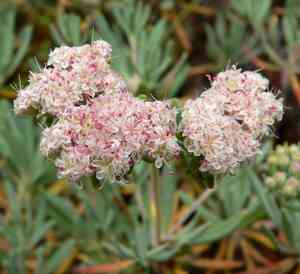
Aside from its practical benefits, Santa Cruz Island buckwheat offers significant aesthetic charm. The plant produces clusters of small, delicate flowers in pink, white, or red hues, which can brighten any garden. Its foliage also adds texture and color throughout the year, making it a versatile addition to various landscape designs.
Integrating Santa Cruz Island Buckwheat into Your Garden
Planting and Care Advice
Incorporating Santa Cruz Island buckwheat into your garden is quite simple. Select a sunny location with well-drained soil for optimal results. When planting, dig a hole twice the size of the root ball, and backfill with soil mixed with compost to give the plant a good start. Water thoroughly after planting, but once established, you can reduce watering frequency. Pruning is generally not necessary but can be done to shape the plant or remove any dead or diseased branches.
Companion Planting
Santa Cruz Island buckwheat pairs well with other drought-tolerant plants, such as lavender, sage, and other native species. Its low water needs and attractive flowers complement many other garden plants, creating a harmonious and sustainable garden design.



