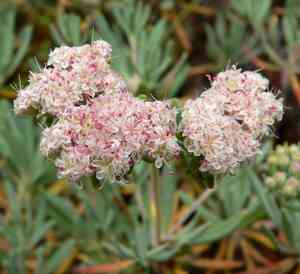
Santa cruz island buckwheat (Eriogonum arborescens)
Also known as: Santa cruz island wild buckwheat
The Santa Cruz Island buckwheat (Eriogonum arborescens) is a wild buckwheat species native mainly to California's Channel Islands.
In This Article
Attributes of Santa cruz island buckwheat
Lifespan
Perennial
Plant Type
Shrub
Plant Height
1.5 m
Spread
1.5 m
Leaf Color
Green Gray
Flower Size
0.2-0.4 inches
Flower Color
White Pink Red
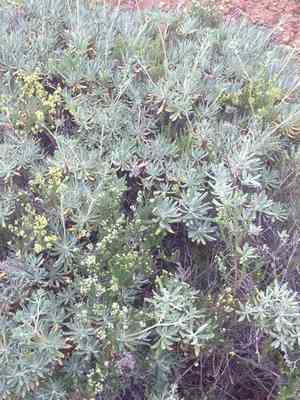
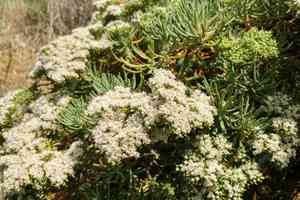
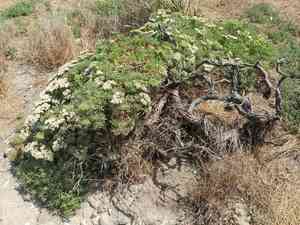
Images of Santa cruz island buckwheat
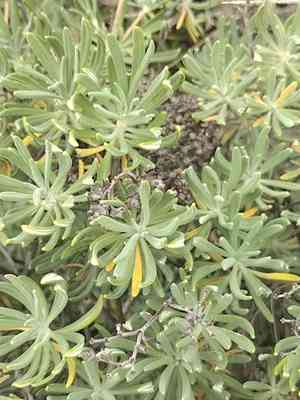
Quickly Identify Santa cruz island buckwheat
1
To identify Eriogonum arborescens, look for a shrub that can reach up to 8 feet tall. Its leaves are slim, lance-shaped, and gray-green, and its flower clusters form rounded flower heads. These flowers shift color from white and pink to rusty brown as they age.
Scientific Classification of Santa cruz island buckwheat
Phylum
Vascular plants
Class
Dicotyledons
Order
Caryophyllales
Family
Buckwheat
Genus
Wild Buckwheat
Species
Santa cruz island buckwheat
Planting and Growing of Santa cruz island buckwheat
Care Difficulty
Easy
Watering Schedule
Every 2 days
Sunlight Requirements
Full sun
Sunshine Duration
8-12 hours
Ideal Temperature
65-75℉
Soil Type
Potting Mix, Peat Mix
Soil pH
6.5-7.5
Fertilizer Type
Balanced
Pruning Season
Spring, Summer
Pruning Area
Branches, Leaves
Pruning Frequency
2 times a year
Repotting Season
Spring
Pot Type
Plastic, Terracotta
 How to Water Santa cruz island buckwheat?
For Eriogonum arborescens, it's crucial to balance between providing enough moisture and avoiding overwatering. Aim for about 250 ml each session, ensuring the soil is slightly damp but not waterlogged. Water until moisture is visible on the surface but not pooling.
What are the symptoms of an underwatered Santa cruz island buckwheat?
›
What should I do if my Santa cruz island buckwheat is not getting enough water?
›
What are the symptoms of an overwatered Santa cruz island buckwheat?
›
How to save an overwatered Santa cruz island buckwheat?
›
 What Are the Sunlight Requirements for Santa cruz island buckwheat?
Full to partial sun exposure is ideal, offering the plant vigor through ample light, fostering colorful and healthy blooms while ensuring robust, disease-resistant growth.
More About Sunlight Requirements Techniques→
What is the ideal lighting for Eriogonum arborescens?
›
How can one achieve the ideal sunlight conditions for this plant?
›
What benefits does Eriogonum arborescens gain from ideal light conditions?
›
 What Is the Ideal Temperature Range for Santa cruz island buckwheat?
Eriogonum arborescens thrives best in environments where the temperature ranges from 65 to 75 degrees Fahrenheit. This range provides the optimal conditions for photosynthesis and growth, ensuring the plant maintains its health and vigor. Maintaining these temperatures will help cultivate healthy foliage and vibrant blossoms.
 What Soil is Best for Santa cruz island buckwheat?
Eriogonum arborescens thrives in well-drained soil to prevent root rot. Good drainage ensures roots have adequate air, preventing waterlogged conditions that could harm plant health. This plant benefits from soil with moderate nutrient levels, providing sufficient sustenance for growth without promoting excessive foliage, which could lead to structural weakness. Low salt levels in the soil are crucial for the health of Eriogonum arborescens. Excessive salt can lead to dehydration and nutrient imbalance, hindering the plant's ability to thrive.
 How to Fertilize Santa cruz island buckwheat?
For Eriogonum arborescens, use a balanced fertilizer diluted to half its strength for liquid feeds, applying approximately 1/4 cup per plant. For slow-release, apply granules evenly around the base, utilizing about 1 tablespoon per square foot. Ensure even distribution to avoid root burning.
 How to Prune Santa cruz island buckwheat?
Begin by observing the plant's overall shape and identifying any dead, diseased, or damaged branches. Using a pair of sharp, sterilized pruning shears, make clean cuts at a 45-degree angle just above a node or bud. Remove any crossing branches and trim back overextended branches to maintain symmetry. Aim to open up the center of the plant to increase airflow and light penetration, which reduces the risk of disease. For optimal growth, shape Eriogonum arborescens into a manageable and aesthetically pleasing form. Focus on the overall silhouette, ensuring the base is wider than the top to allow for better light absorption. Regular shaping prevents the plant from becoming too woody and encourages fresh growth, which is vital for flower production.
More About Pruning Techniques→
 How to Propagate Santa cruz island buckwheat plant?
1
To propagate from seeds, collect viable seeds from mature plants in late summer or early autumn. Ensure the seeds are dry and free from pests before storing them in a cool, dry place until propagation.
2
Choose healthy stems and cut 4-6 inch sections with at least two nodes. Remove any leaves from the bottom half of the cutting to prepare them for planting.
3
Plant the prepared cutting into a suitable potting mix up to the nodes. Water gently to ensure the potting mix is moist, but avoid waterlogging, which can lead to rot.
 How to Repot Santa cruz island buckwheat plant?
1
Look for signs like roots emerging from drainage holes, slow growth despite proper care, or when the soil doesn't hold moisture. These indicators suggest it's time to repot your Eriogonum arborescens.
2
Choose a pot that's slightly larger than the current one, with good drainage. The right pot size ensures root space without overwhelming the plant, preventing water retention and root rot.
3
Opt for a well-draining cactus mix, enriched with perlite or sand. This soil mix promotes optimal drainage, reducing the risk of overwatering and supports healthy root development.
Learn More About Santa cruz island buckwheat Diseases
Anthracnose
Bacterial Leaf Spot
Bacterial Wilt
Crown Gall
Cyst Nematode
Damping-off
Downy Mildew
Drought Stress
Fusarium Wilt
Gray Mold
Leaf Curl
Leaf Spot
Mosaic
Nutrient Deficiency
Nutrient Toxicity
Powdery Mildew
Root Rot
Root-knot Nematode
Rusts
Sooty Mold
Spider Mites
Temperature Stress
Thrips Damage
White Mold



