The Rough tree fern Plant Advantage: Maximizing Home and Office Appeal and Wellness
1
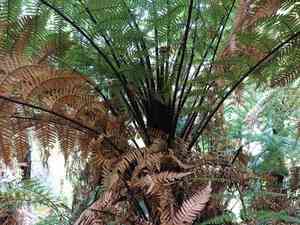
Rough tree fern flourishes in dim, damp settings, making it ideal for both interior and exterior green spaces.
2
Recognized for its abundant leaves, Rough tree fern can improve air purity by eliminating harmful substances.
3
Rough tree fern serves as a superb supply of natural ground cover, fostering plant vitality and maintaining soil hydration.
What Makes Rough tree fern Unique?
Distinctive Cultivation Needs
A key characteristic of Rough tree fern is its preference for shaded areas. This makes it perfect for garden spots receiving minimal direct sunlight. It thrives in damp, well-drained soil, and its adaptability to varying humidity levels makes it suitable for both indoor and outdoor settings. Furthermore, Rough tree fern requires little upkeep, needing only occasional watering and minimal trimming, making it ideal for both new and experienced gardeners.
Aesthetic Appeal and Landscape Application
With its characteristic fronds, Rough tree fern brings a lush, tropical feel to any garden or interior space. Its texture and color integrate well with various other plants, making it a popular choice for landscaping. It can serve as a focal point in garden beds or as a striking background plant that complements other floral arrangements. Its flexible nature allows Rough tree fern to flourish in pots and containers, making it a versatile option for small gardens or urban environments.
Ecological Advantages of Rough tree fern
Air Purification
Rough tree fern is recognized for its capacity to improve air quality. The plant's large fronds can capture airborne particles like dust and pollutants, helping to cleanse the air in your home or garden. By eliminating toxins from the air, Rough tree fern contributes to a healthier living environment. This quality makes the plant an excellent addition to indoor spaces, especially in areas with poor ventilation or high levels of indoor pollution.
Soil Enrichment
Another significant advantage of Rough tree fern is its contribution to soil health. The plant's organic matter, including fallen fronds and dead material, decomposes into rich organic mulch. This mulch helps retain soil moisture, preventing water evaporation and reducing the need for frequent watering. Additionally, the nutrients released during decomposition enrich the soil, promoting the healthy growth of nearby plants. This natural cycle supports a more sustainable and low-impact gardening approach.
Practical Applications of Rough tree fern
Organic Mulching
Rough tree fern can be an excellent source of organic mulch. Gardeners often use the plant's fronds and organic debris to cover the soil around other plants. This practice not only helps retain soil moisture but also protects plant roots from temperature fluctuations. The organic matter gradually breaks down, releasing essential nutrients into the soil, fostering a nutrient-rich environment that promotes plant health and growth.
Erosion Control
The extensive root system of Rough tree fern makes it an effective plant for controlling soil erosion. When planted on slopes or embankments, the roots help anchor the soil, reducing the risk of landslides and surface run-off. This characteristic makes Rough tree fern particularly valuable in areas prone to heavy rainfall or in gardens with uneven terrain. By stabilizing the soil, Rough tree fern not only prevents erosion but also creates a more balanced and resilient garden ecosystem.
Cultural Importance of Rough tree fern
Historical Applications
Rough tree fern has a rich history of use across various cultures. In many traditional societies, the plant was often utilized for its practical benefits, such as roof thatching and creating organic matter for agricultural purposes. The plant's resilience and ease of use made it a staple in numerous regions, particularly where other materials were scarce. Understanding the historical significance of Rough tree fern can deepen your appreciation for its role in both ancient and modern gardening practices.



