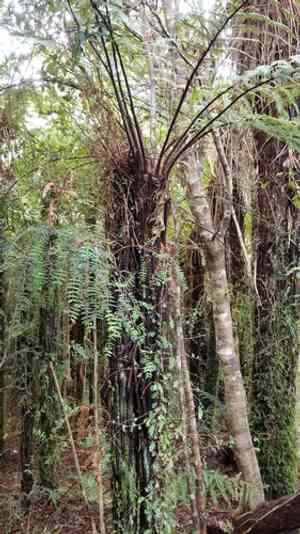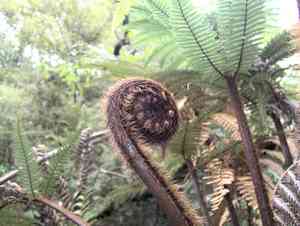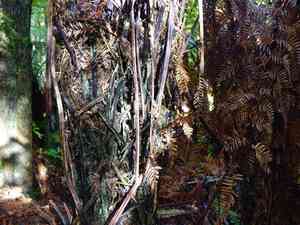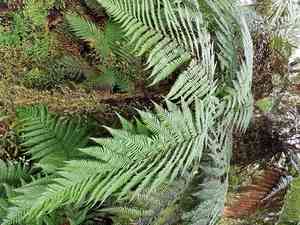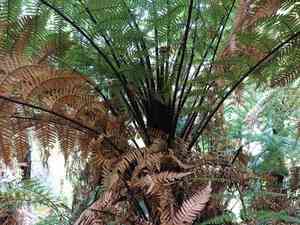
Rough tree fern(Dicksonia squarrosa)

Rough tree fern (Dicksonia squarrosa)

Also known as: Wheki, Rough Tree Fern

To control the rapid spread of the rough tree fern (Dicksonia squarrosa), several strategies can be employed:

1. **Container Growing**: Cultivate the fern in pots or containers to restrict its root spread and manage its growth more easily.
2. **Regular Pruning**: Trim the fronds and remove young plants frequently to prevent the fern from spreading aggressively.
3. **Herbicide Application**: Use suitable herbicides as per local guidelines to target and control its growth.
4. **Physical Barriers**: Install root barriers around planted ferns to prevent underground spread.
5. **Mulching**: Apply thick mulch around the base to inhibit spore germination and limit new growth.

These measures collectively help in managing the fern's rapid growth and prevent it from becoming invasive.

Attributes of Rough tree fern

Lifespan
Perennial
Plant Type
Fern
Plant Height
6 m
Spread
4 m
Leaf Color
Green
Flower Size
Not applicable (ferns do not flower)
Flower Color
Not applicable (ferns do not flower)

ForwardPlant - Identify plants with a snap

Identify and diagnose plants, get toxicity alerts, and explore safety guides for all types of fungi.

Try for Free

Images of Rough tree fern

Rough tree fern(Dicksonia squarrosa)

Quickly Identify Rough tree fern

1
Look for a black, fibrous trunk and rough, dark green fronds. The fronds are typically rough to the touch and can grow up to 3 meters long. The trunk itself can reach up to 6-8 meters tall.

Scientific Classification of Rough tree fern

Phylum
Vascular plants
Class
Ferns
Order
Cyatheales
Family
Tree-ferns
Genus
Tree fern
Species
Rough tree fern

Planting and Growing of Rough tree fern

Care Difficulty
Hard
Watering Schedule
Every 4 days
Sunlight Requirements
Partial sun
Sunshine Duration
6-10 hours
Ideal Temperature
60-75℉
Soil Type
Potting Mix, Peat Mix
Soil pH
5.5-7
Fertilizer Type
Balanced
Pruning Season
Spring, Summer
Pruning Area
Branches, Leaves
Pruning Frequency
2 times a year
Repotting Season
Spring
Pot Type
Plastic, Ceramic

water icon How to Water Rough tree fern?

When watering Dicksonia squarrosa, ensure the soil is evenly moist but not waterlogged. Use about 500ml of water per session, allowing it to soak through to the root system without saturating the soil completely.
What are the symptoms of an underwatered Rough tree fern?
What should I do if my Rough tree fern is not getting enough water?
What are the symptoms of an overwatered Rough tree fern?
How to save an overwatered Rough tree fern?

sunlight icon What Are the Sunlight Requirements for Rough tree fern?

Sunlight Requirements: Partial sun, Full shade
Duration of light: 2-4 hours sunlight
Partial sun/Full shade settings are ideal. Dicksonia squarrosa thrives with a mix of dappled light and shade, reminiscent of its natural habitat, promoting optimal growth and vibrant fronds.
Is partial sun necessary?
What is the ideal location?
How to ensure suitable humidity?
More About Sunlight Requirements Techniques

temperature icon What Is the Ideal Temperature Range for Rough tree fern?

Ideal Temperature: 60 ~ 75℉
The ideal temperature range for Dicksonia squarrosa is between 60°F to 75°F. This range ensures optimal growth by providing a stable environment that mimics its natural habitat. Within this temperature bracket, the plant's physiological processes, such as photosynthesis and respiration, function efficiently. Maintaining these temperatures is crucial for sustaining healthy foliage and promoting vibrant growth, especially in controlled environments like greenhouses.

soil icon What Soil is Best for Rough tree fern?

Soil type: Loam, Sandy loam
Soil PH: 5.5 ~ 7
Dicksonia squarrosa thrives in soils that allow for adequate drainage. This prevents waterlogging and root rot, ensuring the tree fern maintains robust health and vigorous growth. While well-draining, the soil should also retain some moisture. This balance keeps the fern hydrated, maximizing its lush, vibrant foliage without risking fungal issues. A rich organic content is crucial as it provides essential nutrients. This boosts the plant's growth, resulting in a fuller, more aesthetically pleasing appearance.

fertilize icon How to Fertilize Rough tree fern?

Fertilizer type: Balanced
For Dicksonia squarrosa, you should use a well-balanced liquid fertilizer, diluted to half-strength. Apply approximately 500 ml per application to ensure nutrients are absorbed effectively without overwhelming the root system.

prune icon How to Prune Rough tree fern?

Pruning Time: Spring, Summer, Autumn
Ensure not to harm the central growing bud at the crown of the tree fern while pruning. This area is crucial for new growth, and any damage can hinder the plant's development. Always clean your pruning tools before and after trimming the plant. This prevents the spread of diseases and ensures the tools are ready for safe use in future pruning sessions. More About Pruning Techniques

propagate icon How to Propagate Rough tree fern plant?

Propagate Time: Spring, Early spring
1
Begin by sterilizing all equipment and preparing the growth medium. The sterile environment is crucial in tissue culture propagation to prevent contamination and promote optimal growth.
2
Gently remove the fern from its pot and carefully separate sections of the root mass. Each section should contain at least one viable frond and root system. This helps in promoting independent growth for each new plant.
3
After dividing, immediately plant each new section in a suitable potting mix. Keep the soil consistently moist and ensure adequate light without direct sunlight to encourage strong establishment.
More About Propagating Techniques

repot icon How to Repot Rough tree fern plant?

Repotting frequency: Every 2-3 years
1
Dicksonia squarrosa, commonly known as the New Zealand tree fern, signals that it's time to be repotted when its roots start to encircle the pot, and water takes longer to drain. The best time to repot is in spring or autumn when the plant is not subjected to extreme weather, ensuring minimal stress.
2
Select a pot that is 2-3 inches larger than the current one to provide ample room for growth. Ensure it has sufficient drainage holes to prevent water accumulation, safeguarding the roots from rot. The pot should also be stable enough to support the tall fronds of the Dicksonia squarrosa.
3
Opt for a rich, well-draining mix that mimics the fern’s natural environment. A mixture of peat, bark, and some sand will work splendidly, allowing for both moisture retention and excellent drainage. This blend supports root health and encourages vibrant frond growth.

ForwardPlant - Identify plants with a snap

Find the best spots for them to optimize their health, simply using your phone.

Try for Free