The Hay-scented fern Plant Advantage: Maximizing Home and Office Appeal and Wellness
1
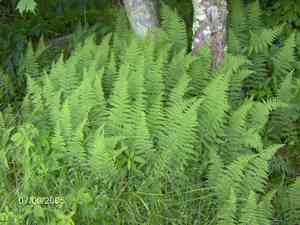
Dennstaedtia punctilobula is a adaptable plant that flourishes in various soil types.
2
It offers superb ground coverage, aiding in the prevention of soil degradation.
3
This plant makes a lovely enhancement to dimly lit garden spots, boosting their visual charm.
Why is Hay-scented fern an Excellent Ground Cover?
Erosion Control
Hay-scented fern excels at preventing soil erosion. Its thick growth thoroughly covers the ground, lessening the impact of rain and wind on soil movement. This makes it perfect for sloped areas and places prone to erosion.
Weed Suppression
Another key advantage of using Hay-scented fern as ground cover is its capacity to inhibit weeds. Once established, its dense foliage forms a natural barrier that prevents weed growth, reducing the need for chemical weed killers and manual weeding.
How Does Hay-scented fern Improve Garden Beauty?
Visual Appeal
The vibrant, green fronds of Hay-scented fern add a touch of natural grace to shaded garden spots. Its textured leaves beautifully contrast with flowering plants, creating a layered and visually pleasing landscape design.
Seasonal Interest
Hay-scented fern provides remarkable seasonal appeal, especially in spring and summer when its bright green leaves are at their peak. In autumn, the fronds can develop a subtle golden tint, adding another dimension to your garden's color scheme.
What Growing Conditions Does Hay-scented fern Prefer?
Soil Requirements
Hay-scented fern adapts well to various soil types, including sandy, loamy, and even clay soils, provided they drain properly. This adaptability allows for easy integration into diverse garden environments.
Light Preferences
This plant thrives best in partial to full shade, making it ideal for woodland gardens, shaded borders, and underplanting trees. It can tolerate some morning sun, but excessive direct sunlight can cause its fronds to burn.
How to Care for and Maintain Hay-scented fern?
Watering Needs
Hay-scented fern generally needs moderate watering, particularly during dry periods. Keeping the soil consistently moist but not waterlogged will encourage healthy growth. Mulching around the plant's base can help retain soil moisture.
Pruning and Cleanup
Regular pruning is not essential for Hay-scented fern, but removing dead or damaged fronds can help maintain its appearance and health. In late fall or early spring, a light cleanup can be performed to prepare the plant for the new growing season.
What Wildlife Benefits Does Hay-scented fern Offer?
Habitat for Beneficial Insects
Hay-scented fern offers an excellent habitat for beneficial insects, including pollinators and natural pest predators. These insects contribute to a healthier garden ecosystem, promoting plant vitality and reducing the need for chemical pesticides.
Shelter for Small Wildlife
The dense foliage of Hay-scented fern provides shelter and nesting sites for small wildlife, such as birds and amphibians. These creatures can assist in controlling pest populations and enhance your garden's biodiversity.
Can Hay-scented fern Be Used for Decorative Purposes?
Indoor Arrangements
The attractive fronds of Hay-scented fern can be utilized in indoor floral arrangements and as greenery in vases. They bring a touch of nature indoors and can complement various decorative styles.
Outdoor Landscaping
In outdoor settings, Hay-scented fern can be used to create natural-looking borders, ground cover for shaded paths, or as a backdrop for other ornamental plants. Its versatility makes it a valuable addition to any landscape design.



