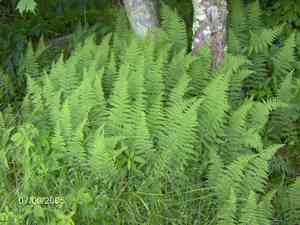
Hay-scented fern (Dennstaedtia punctilobula)
Also known as: Eastern hay-scented fern
The hay-scented fern, scientifically known as Dennstaedtia punctilobula, is a deciduous fern found in eastern North America. Its name comes from the distinctive hay-like aroma emitted by its fronds when they are crushed. Interestingly, this fern's presence can influence forest ecology, potentially aiding the growth and seeding of trees.
In This Article
Attributes of Hay-scented fern
Lifespan
Perennial
Plant Type
Fern
Plant Height
46 cm to 1.2 m
Spread
90 cm to 1.2 m
Leaf Color
Green Yellow
Flower Size
Not applicable (ferns do not have flowers)
Flower Color
Green
Images of Hay-scented fern
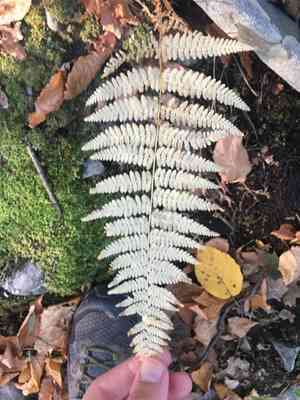
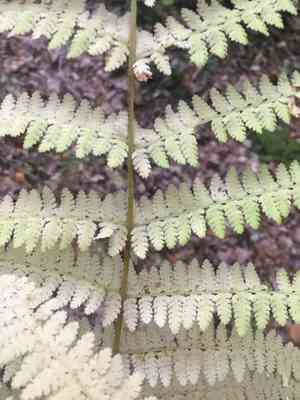
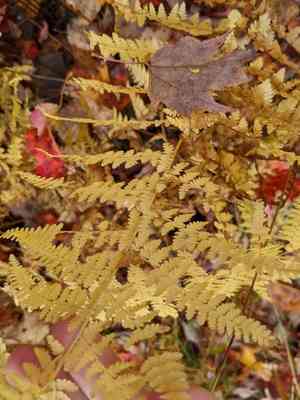
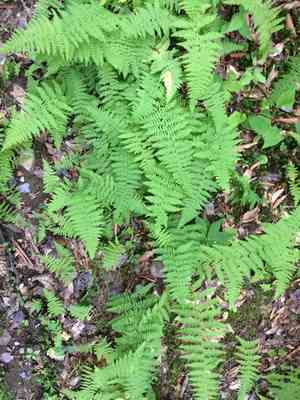
Quickly Identify Hay-scented fern
1
Fronds reach up to 2 feet (60 cm) with a yellow-green color and lance-shaped leaves.
2
Stem is 8 to 12 inches (20 to 30 cm) long, smooth, and vibrant brown to red.
3
Distinct aroma of freshly cut hay when leaves are crushed.
4
Minimal branching on stem maintains a clean line from base to frond.
5
Adaptive to various conditions, including salt spray, and spreads efficiently.
Scientific Classification of Hay-scented fern
Phylum
Vascular plants
Class
Ferns
Order
Polypodiales
Family
Bracken fern
Genus
Cup fern
Species
Hay-scented fern
Planting and Growing of Hay-scented fern
Care Difficulty
Easy
Watering Schedule
Every 4 days
Sunlight Requirements
Partial sun
Sunshine Duration
4-8 hours
Ideal Temperature
68-77℉
Soil Type
Potting Mix, Peat Mix
Soil pH
4.5-7
Fertilizer Type
Balanced
Pruning Season
Spring, Summer
Pruning Area
Branches, Leaves
Pruning Frequency
2 times a year
Repotting Season
Spring
Pot Type
Plastic, Ceramic
 How to Water Hay-scented fern?
Dennstaedtia punctilobula, commonly known as the Hay-scented Fern, prefers its soil to be consistently moist but not waterlogged. Watering should aim to soak the soil, ensuring that it is evenly moist throughout but ensure proper drainage to avoid waterlogging. The delicate balance allows the roots to breathe while providing the necessary moisture.
What are the symptoms of an underwatered Hay-scented fern?
›
What should I do if my Hay-scented fern is not getting enough water?
›
What are the symptoms of an overwatered Hay-scented fern?
›
How to save an overwatered Hay-scented fern?
›
 What Are the Sunlight Requirements for Hay-scented fern?
Partial sun in the range of 3 to 6 hours per day ensures Dennstaedtia punctilobula grows robustly. Ideal light promotes fuller, greener fronds and helps the plant maintain its coverage and density as an effective groundcover.
More About Sunlight Requirements Techniques→
What is the ideal lighting for Dennstaedtia punctilobula?
›
How can you provide ideal lighting?
›
What are the benefits of receiving ideal light?
›
 What Is the Ideal Temperature Range for Hay-scented fern?
The ideal temperature range for Dennstaedtia punctilobula is between 68°F and 77°F. This range provides optimal conditions for the plant’s growth and photosynthesis processes, contributing to its overall health and lush appearance.
 What Soil is Best for Hay-scented fern?
Dennstaedtia punctilobula thrives in well-drained soil which prevents waterlogging. This ensures the roots have access to the necessary oxygen, reducing the risk of root rot. This plant prefers soil that retains moisture but does not stay wet. A consistent humidity level aids its growth and leaf health, ensuring lush green fronds. Loam soil enriched with organic matter provides essential nutrients. It supports vigorous growth by meeting the nutrient demands of the plant, ensuring healthy frond development.
 How to Fertilize Hay-scented fern?
Dennstaedtia punctilobula, commonly known as eastern hay-scented fern, benefits from fertilization during its growing season. Use a balanced, water-soluble fertilizer diluted to half strength. Apply enough to lightly moisten the soil but avoid soaking to prevent root rot.
 How to Prune Hay-scented fern?
Start by identifying dead or damaged fronds, which tend to be brown and dry. Use clean, sharp scissors to snip these off near the base. This prevents disease and promotes new growth. Pruning in early spring helps the plant focus energy on fresh and healthy fronds as the growth season begins. Throughout the growing season, occasionally inspect your plant and cut back any unruly fronds to maintain the desired shape. This will involve gentle trimming around the edges and removing fronds that overshadow others, ensuring all parts of the plant receive ample sunlight.
More About Pruning Techniques→
 How to Propagate Hay-scented fern plant?
1
Select early spring for division when Dennstaedtia punctilobula is emerging from dormancy. This timing ensures that the plant is primed for growth and can recover quickly from the division process, increasing success rates.
2
Water the plant thoroughly the day before you plan to divide it. This helps loosen the soil around the roots and makes it easier to lift the plant. Healthy hydration also minimizes stress on the plant during division.
3
Carefully dig around the plant and lift it from the ground. Use the spade to cut through the root mass, ensuring each section has a healthy shoot and root structure. Replant divisions promptly at the same depth as the original plant.
 How to Repot Hay-scented fern plant?
1
Dennstaedtia punctilobula, commonly known as the hay-scented fern, signals its need for repotting when the roots start to grow vigorously through the drainage holes, or when you notice the plant struggling due to compacted soil. Ideally, look out for these signs particularly at the start of spring or midway through autumn, as these moments offer the perfect blend of growth surge and moderate conditions.
2
Selecting the right pot for your hay-scented fern is crucial. A pot that is one size larger than the current one, with ample drainage holes, provides the roots sufficient room to spread while ensuring excess water is efficiently drained. This helps prevent root rot and allows the plant to thrive with good airflow and water retention balance.
3
Opt for a soil mixture that is both moist and well-draining. Combining peat moss with perlite or sand creates a light yet moisture-retentive medium, perfect for the hay-scented fern. This balance supports healthy root development and prevents waterlogging, promoting active growth and resilience.



