The Woodland tickseed Plant Advantage: Maximizing Home and Office Appeal and Wellness
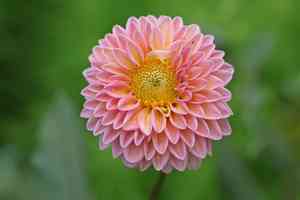
1
Coreopsis major, a native perennial, flourishes in forested environments.
2
This bloom draws helpful pollinators, such as bees and butterflies.
3
It needs little care and withstands dry conditions, making it perfect for eco-friendly landscaping.
What Are the Environmental Advantages of Woodland tickseed?
Supports Biodiversity
A primary reason to cultivate Woodland tickseed is its beneficial influence on local ecological diversity. This flora attracts various pollinators, including bees, butterflies, and other helpful insects. By supplying nectar and pollen, Woodland tickseed sustains these creatures, which are vital for the fertilization of numerous other plants in your landscape. Furthermore, this boost in pollinator populations can lead to a more vibrant and productive garden overall.
Enhances Soil Quality
Woodland tickseed not only beautifies your outdoor space but also contributes to improving soil health. Its root system aids in soil stabilization, reducing erosion and preserving soil structure. Additionally, the root secretions add to the nutrient content of the soil, fostering a healthier and more fertile ground for other vegetation.
How Does Woodland tickseed Improve Visual Appeal?
Vibrant Blooms
Woodland tickseed provides strikingly vivid flowers that can introduce a burst of color to any garden. The blossoms typically feature bright yellow petals that can illuminate even the most shaded areas of your landscape. Whether planted in large groups or utilized as a focal point, Woodland tickseed consistently captures attention and admiration.
Seasonal Interest
This plant offers year-round appeal with its foliage and flowers. The blooms usually emerge in late spring to early summer, providing an extended period of color. Even after the flowers fade, the leaves of Woodland tickseed remain a visually pleasing element, contributing to the garden's seasonal dynamics.
Is Woodland tickseed Simple to Grow and Maintain?
Low Maintenance Requirements
Woodland tickseed is remarkably easy to cultivate, demanding minimal upkeep. It thrives in well-drained soil and partial to full sun exposure. Once established, it is drought-tolerant and needs little supplementary watering. This makes Woodland tickseed an excellent choice for both beginner and experienced gardeners seeking a low-effort, high-reward plant.
Pest and Disease Resistance
Another notable advantage of Woodland tickseed is its resilience to common pests and diseases. Unlike many ornamental plants that require frequent pesticide applications, Woodland tickseed is relatively unaffected by most garden pests. This not only lessens the need for chemical interventions but also promotes a healthier garden ecosystem.
How to Integrate Woodland tickseed into Your Garden Design?
Companion Planting
Woodland tickseed performs exceptionally well in various garden environments. It can be paired with other native plants to create a harmonious and sustainable garden layout. Consider planting it alongside grasses, ferns, and other woodland flora to establish a naturalistic garden bed that mimics its indigenous habitat.
Container Gardening
If you have limited garden space, Woodland tickseed can also be grown in pots. This allows you to enjoy its beauty and benefits even in urban settings, such as balconies and patios. Ensure the container has adequate drainage, and use a high-quality potting mix to support its growth.



