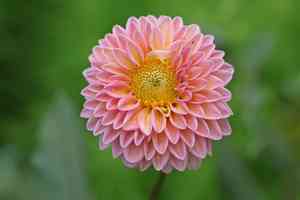
Woodland tickseed (Coreopsis pulchra)
Also known as: Showy tickseed, Tall tickseed
Coreopsis pulchra, commonly found on sandstone outcrops, is native to the Cumberland Plateau in northeastern Alabama and possibly historically in adjacent Georgia. Its imperiled status arises from its highly specific habitat needs and limited geographic distribution.
In This Article
Attributes of Woodland tickseed
Lifespan
Perennial
Plant Type
Herb
Plant Height
2-3 feet (60-90 cm)
Spread
12-18 inches (30-45 cm)
Leaf Color
Green
Flower Size
1-2 inches (2.5-5 cm)
Flower Color
Yellow
Images of Woodland tickseed
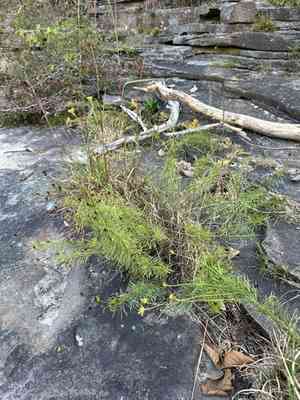
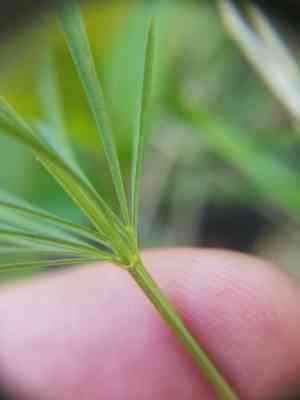
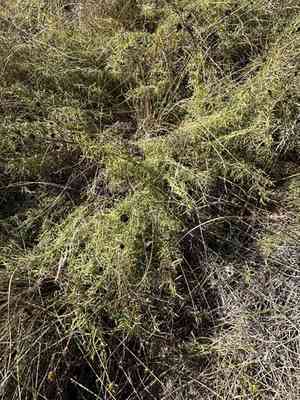
Quickly Identify Woodland tickseed
1
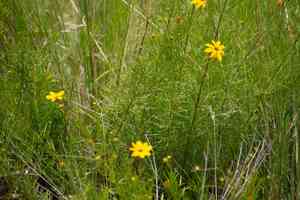
Look for its tall stems, reaching up to 2-3 feet, topped with bright yellow, daisy-like flowers with toothed margins. Leaves are mostly basal, narrow, and lance-shaped.
Scientific Classification of Woodland tickseed
Phylum
Vascular plants
Class
Dicotyledons
Order
Asterales
Family
Daisy
Genus
Calliopsis
Species
Woodland tickseed
Planting and Growing of Woodland tickseed
Care Difficulty
Easy
Watering Schedule
Every 3 days
Sunlight Requirements
Full sun
Sunshine Duration
6-10 hours
Ideal Temperature
65-75℉
Soil Type
Potting Mix, Peat Mix
Soil pH
6.5-7.5
Fertilizer Type
Balanced
Pruning Season
Spring, Summer
Pruning Area
Branches, Leaves
Pruning Frequency
2 times a year
Repotting Season
Spring
Pot Type
Plastic, Ceramic
 How to Water Woodland tickseed?
For Coreopsis pulchra, it is essential to water deeply but infrequently, ensuring the soil is moist down to the root level. When you water, aim for around 500ml to thoroughly soak the root area. It's important that the soil dries out between waterings to prevent root rot.
What are the symptoms of an underwatered Woodland tickseed?
›
What should I do if my Woodland tickseed is not getting enough water?
›
What are the symptoms of an overwatered Woodland tickseed?
›
How to save an overwatered Woodland tickseed?
›
 What Are the Sunlight Requirements for Woodland tickseed?
For Coreopsis pulchra, partial to full sun provides the best conditions, fostering vibrant blooms and healthy growth by ensuring ample photosynthesis and energy absorption.
What is the optimal location for Coreopsis pulchra?
›
How can I ensure it gets the right amount of light?
›
What benefits result from ideal lighting conditions?
›
 What Is the Ideal Temperature Range for Woodland tickseed?
Coreopsis pulchra thrives best within a temperature range of 65-75°F. This range allows the plant to carry out photosynthesis efficiently and maintain optimal growth. Temperatures below or above this range may stress the plant, slowing its growth or affecting its flowering ability.
 What Soil is Best for Woodland tickseed?
Coreopsis pulchra thrives in well-drained soil as it prevents waterlogging that can lead to root rot. Well-drained soil ensures good airflow and keeps the roots healthy, crucial for the overall vitality and blooming of the plant. This plant prefers soil with moderate fertility which supports its growth without leading to excessive foliage at the expense of flowers. Balanced nutrients allow Coreopsis pulchra to sustain steady growth while producing vibrant blooms. Coreopsis pulchra grows best in soils with a neutral pH range. Maintaining this range maximizes nutrient absorption, ensuring the plant has access to essential minerals and nutrients needed for robust growth and blooming.
 How to Fertilize Woodland tickseed?
For Coreopsis pulchra, a balanced approach using a 10-10-10 NPK fertilizer is recommended. When applying liquid fertilizer, dilute it according to package instructions, usually to half strength, to prevent burning the roots. For granular fertilizers, about one tablespoon per square foot can be applied sparingly.
 How to Prune Woodland tickseed?
Start by deadheading, which involves removing old, spent blooms to promote fresh flowering. This should be done regularly to induce new growth and prolong the blooming period throughout the seasons. Trim back the main stems by a third in early spring to remove winter damage and shape the plant for a fuller appearance. This helps stimulate new growth and a more robust plant structure. In midsummer, assess and thin out overcrowded areas to improve air circulation and prevent mildew. This step helps maintain the plant's health and vitality, reducing the chance of disease.
More About Pruning Techniques→
 How to Propagate Woodland tickseed plant?
1
Collect seeds from mature Coreopsis pulchra flowers after they have dried. Ensure seeds are dry before storage to prevent mold, and store them in a cool, dry place until sowing.
2
Select healthy stems for cuttings, ideally around 4-6 inches long. Remove lower leaves, and dip the cut end into rooting hormone to enhance root development.
3
Divide the plant after it has grown sufficiently large, ensuring each section has roots and shoots. Replant divisions immediately to prevent root drying.
 How to Repot Woodland tickseed plant?
1
Repot your Coreopsis pulchra when you notice roots emerging from the drainage holes or the plant’s growth has slowed down significantly. These are sure signs that the plant needs more room to grow and fresh nutrients.
2
Select a pot that is one size larger than the current one and has good drainage holes. A slightly larger pot provides room for growth without overwhelming the plant's root system, preventing root rot and other moisture issues.
3
Opt for a well-draining loamy mix with good aeration properties. Such soil prevents waterlogging and allows the roots to receive adequate oxygen, thereby promoting healthy growth and vibrant blooms.
Learn More About Woodland tickseed Diseases
Anthracnose
Bacterial Leaf Spot
Bacterial Wilt
Black Spot
Chemical Injury
Crown Gall
Cyst Nematode
Damping-off
Downy Mildew
Drought Stress
Fusarium Wilt
Gray Mold
Leaf Spot
Mosaic
Nutrient Deficiency
Nutrient Toxicity
Powdery Mildew
Root Rot
Root-knot Nematode
Rusts
Sooty Mold
Spider Mites
Temperature Stress
Thrips Damage
White Mold



