The Yellow coralroot Plant Advantage: Maximizing Home and Office Appeal and Wellness
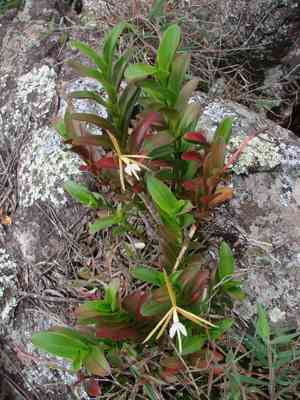
1
Yellow coralroot is a helpful non-photosynthetic orchid that improves soil quality.
2
Yellow coralroot draws in pollinators, contributing to the broader ecosystem equilibrium.
3
This plant serves as a great sign of a thriving forest environment.
What Is Yellow coralroot?
Unique Features
Yellow coralroot is a captivating plant from the orchid family, distinguished by its non-photosynthetic nature. Unlike most plants that derive energy from sunlight, Yellow coralroot obtains nutrients from organic matter in its surrounding soil. This distinct adaptation allows it to flourish in low-light conditions, making it a vital component of forest floor ecosystems.
Habitat and Distribution
Yellow coralroot primarily thrives in temperate forests of the Northern Hemisphere, often found nestled among fallen leaves and decomposing organic material. Its presence typically signifies a rich, diverse, and robust forest ecosystem.
How Does Yellow coralroot Benefit the Soil?
Enhancing Soil Health
Yellow coralroot contributes to soil health by assisting in the breakdown of organic material. This process enriches the soil with vital nutrients, thereby fostering a flourishing environment for other plants and organisms. Its mycorrhizal associations with fungi play a crucial role in nutrient cycling within forest ecosystems.
Promoting Biodiversity
By supporting a wide array of fungi, Yellow coralroot encourages a healthy microbial community in the soil. This biodiversity is essential for forest health, as it enhances resilience against pests and diseases and supports various plant species in the ecosystem.
What Role Does Yellow coralroot Play in the Ecosystem?
Supporting Pollinators
Yellow coralroot attracts a variety of pollinators, including bees and flies. These pollinators are crucial for the reproduction of many plant species, contributing to overall ecosystem balance and plant diversity.
Indicator Species
Yellow coralroot serves as a valuable indicator species for conservationists and ecologists. Its presence signals a healthy, undisturbed forest environment, making it a key focus for environmental monitoring and conservation efforts.
Can Yellow coralroot Be Cultivated?
Cultivation Challenges
Cultivating Yellow coralroot can be difficult due to its specific habitat requirements and symbiotic relationships with fungi. It typically needs a forest-like environment with abundant organic matter and minimal disturbance.
Efforts in Conservation
Despite these difficulties, there are ongoing initiatives to cultivate Yellow coralroot for conservation purposes. Botanical gardens and conservationists are studying its growth patterns and habitat needs to ensure this unique plant continues to thrive in the wild.
Why Is Yellow coralroot Important for Conservation?
Protecting Forest Ecosystems
Protecting Yellow coralroot is equivalent to safeguarding forest ecosystems. As an indicator of ecological health, its conservation can help preserve the integrity of forest habitats and the numerous species that rely on them.
Educational Value
Yellow coralroot offers significant educational benefits. Studying this plant can provide insights into forest ecology, symbiotic relationships, and the importance of biodiversity. This knowledge is crucial for fostering environmental stewardship and promoting sustainable practices.



