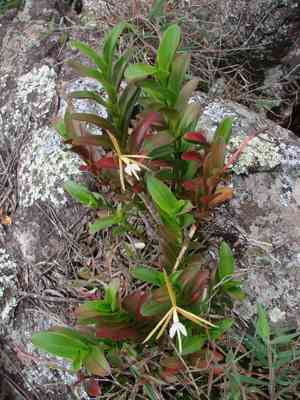
Yellow coralroot (Corallorhiza trifida)
Also known as: Coral-root orchid
The Yellow coralroot (Corallorhiza trifida) is quite an unusual plant due to its lack of leaves and chlorophyll, relying entirely on mycorrhizal fungi for its nutrients. Despite being an orchid, it bears small, inconspicuous flowers that one might not expect from this family. Its cultivation as an ornamental plant is rare because it depends on specific fungi and particular environmental conditions that are challenging to reproduce outside its natural habitat.
In This Article
Attributes of Yellow coralroot
Lifespan
Perennial
Plant Type
Herb
Plant Height
10 cm to 25 cm
Spread
Not applicable
Leaf Color
Not applicable
Flower Size
Approximately 1 cm
Flower Color
Yellow Green Purple
Images of Yellow coralroot
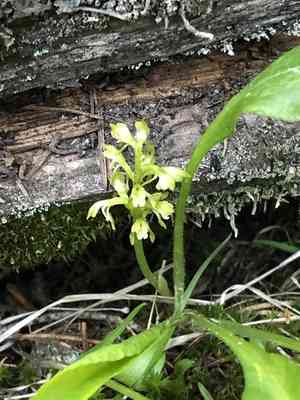
Quickly Identify Yellow coralroot
1
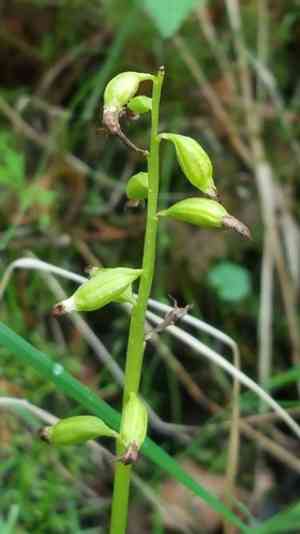
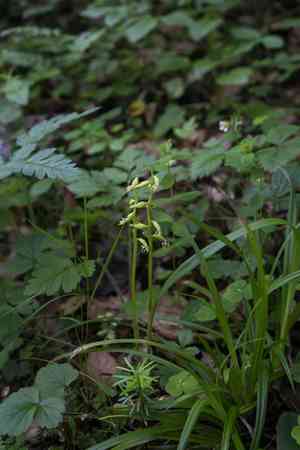
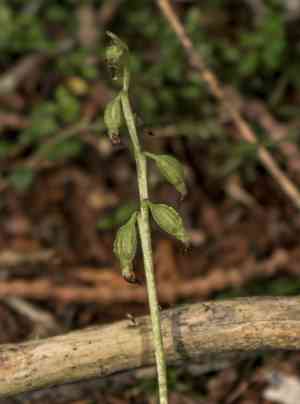
The plant can be identified by its yellow-green to brownish stem, small yellowish-green flowers with a white lip streaked with purple, and the absence of leaves. It typically grows in moist, shady locations.
Scientific Classification of Yellow coralroot
Phylum
Vascular plants
Class
Monocotyledons
Order
Asparagales
Family
Orchid
Genus
Coral root
Species
Yellow coralroot
Planting and Growing of Yellow coralroot
Care Difficulty
Hard
Watering Schedule
Every day
Sunlight Requirements
Partial sun
Sunshine Duration
6-12 hours
Ideal Temperature
60-75℉
Soil Type
Potting Mix, Peat Mix
Soil pH
4-5.5
Fertilizer Type
Balanced
Pruning Season
Spring, Summer
Pruning Area
Branches, Leaves
Pruning Frequency
2 times a year
Repotting Season
Spring
Pot Type
Plastic, Ceramic
 How to Water Yellow coralroot?
Corallorhiza trifida requires a careful balance of moisture. Watering should moisten the soil thoroughly without waterlogging it. The amount needed varies with the soil type, but on average, 100 milliliters should suffice, ensuring the substrate remains slightly damp yet not overly saturated.
What are the symptoms of an underwatered Yellow coralroot?
›
What should I do if my Yellow coralroot is not getting enough water?
›
What are the symptoms of an overwatered Yellow coralroot?
›
How to save an overwatered Yellow coralroot?
›
 What Are the Sunlight Requirements for Yellow coralroot?
Corallorhiza trifida prefers partial sun to full shade. This setup supports its growth by mimicking natural forest floor conditions, ensuring health and aiding nutrient processing.
More About Sunlight Requirements Techniques→
What type of light is best for Corallorhiza trifida?
›
How can I achieve ideal lighting conditions for this plant?
›
What are the benefits of optimal lighting for Corallorhiza trifida?
›
 What Is the Ideal Temperature Range for Yellow coralroot?
The ideal temperature range for growing Corallorhiza trifida is between 60°F and 75°F. These conditions mimic its natural habitat, providing a balance of warmth and humidity that allows for optimal growth and flowering. In this range, the plant can metabolize efficiently, leading to healthy development.
 What Soil is Best for Yellow coralroot?
Corallorhiza trifida thrives in moist environments. Peat soil is excellent for moisture retention, ensuring the orchid gets the continuous hydration it requires. This helps in maintaining its delicate structure and vibrant growth. Being partially mycoheterotrophic, Corallorhiza trifida depends on fungal symbiosis for nutrition. Rich organic peat soils enhance this relationship by providing an ideal environment for fungi to thrive, thus supporting the orchid’s nutritional needs. Corallorhiza trifida prefers acidic conditions. Peat soil naturally maintains an acidic pH, which is crucial for the health of the symbiotic fungi. This acid environment facilitates proper nutrient exchange, promoting healthy orchid growth.
 How to Fertilize Yellow coralroot?
For Corallorhiza trifida, which is typically found in nutrient-poor environments like forests, it's crucial to use a very diluted fertilizer mix. Only use a water-soluble fertilizer at one-quarter of the recommended strength as it is an orchid that thrives with minimal feeding.
 How to Prune Yellow coralroot?
Before deciding to prune, inspect the plant closely. Look for any signs of decay or fungal infection in the plant structure. Since this orchid doesn't have leaves, focus your attention on the stems. If any of the stems appear diseased or significantly withered after their bloom period, those might be candidates for removal. Use sharp, sterile pruning shears to ensure clean cuts. Sterilizing the shears before use can prevent the spread of disease. Carefully cut away any dead stems at the base, paying attention not to damage the surrounding stems. Avoid excessive pruning, as this can harm the plant’s delicate balance with its fungal partners.
More About Pruning Techniques→
 How to Propagate Yellow coralroot plant?
1
Begin by collecting seeds from mature pods. Sow the seeds in a sterile medium and keep them in a warm, humid environment to encourage germination. Consistent temperatures are vital for successful germination.
2
Select a healthy plant and carefully cut out a small tissue sample using a sterilized scalpel. Place the sample in a sterilized nutrient medium under controlled conditions to initiate growth.
3
Once small plantlets form in tissue culture, they need to be carefully transferred to pots with suitable soil. Gradually acclimatize them to ambient conditions to avoid shock.
 How to Repot Yellow coralroot plant?
1
Corallorhiza trifida signals its need for repotting when you notice roots growing out of the pot's drainage holes or the media breaking down excessively. If the pot looks overcrowded after two or three years, it's time to consider giving your plant more room to breathe.
2
Choose a pot that provides ample drainage, typically with multiple holes at the bottom. The pot should be slightly larger than the current one, allowing for root expansion. Using a breathable material like clay can help excess moisture evaporate, ensuring your plant's roots remain healthy and rot-free.
3
For Corallorhiza trifida, an orchid-specific bark mix offers the perfect moisture control and aeration, replicating the natural conditions of this terrestrial orchid. This mix encourages strong root development while preventing water-logging, ensuring your plant thrives in its new home.



