The Chinese houses Plant Advantage: Maximizing Home and Office Appeal and Wellness
1
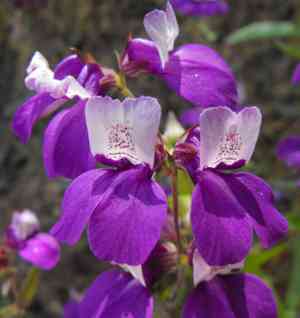
Chinese houses produces beautiful tiered blossoms, bringing vivid hues to any outdoor space.
2
This flora naturally draws in helpful pollinators like bees and butterflies.
3
Chinese houses requires minimal upkeep and flourishes in diverse soil conditions, simplifying its cultivation.
Why Cultivate Chinese Houses?
Striking Visual Appeal
A primary reason to cultivate Chinese houses is its aesthetic allure. This plant produces numerous layers of blooms, varying from soft pink to deep purple, creating a cascading effect. The flowers are arranged in tiers, giving the plant its distinctive stacked appearance. These impressive floral displays make Chinese houses a focal point, ideal for garden enthusiasts seeking to add something unique to their plant collection.
Versatility in Soil Types
Chinese houses demonstrates remarkable adaptability concerning soil needs. Whether your garden features loamy, sandy, or clay soil, this plant can adjust and flourish. It thrives particularly well in soil with good drainage but can endure other types as long as they are not waterlogged. This flexibility means Chinese houses can be grown in diverse environmental conditions, making it a resilient addition to any garden.
Ecological Advantages of Chinese Houses
Attracting Beneficial Pollinators
One ecological benefit of Chinese houses is its capacity to draw in helpful pollinators such as bees, butterflies, and other insects. The flowers' sweet nectar provides a food source for these creatures, encouraging their presence in your garden. By attracting pollinators, Chinese houses plays a vital role in supporting biodiversity and fostering healthy plant growth within your backyard ecosystem.
Promoting Soil Health
Chinese houses also contributes to the well-being of the soil. Its root system aids in preventing soil erosion by maintaining the soil's structure. Furthermore, the plant's decomposing matter enriches the soil with essential nutrients, fostering a healthy and fertile ground for other plants to grow. This contribution to soil health makes Chinese houses a valuable addition to any garden focused on sustainability and ecological balance.
Caring for Chinese Houses
Watering and Planting Advice
Although Chinese houses is low-maintenance, adhering to some fundamental care guidelines is crucial for its optimal development. When planting, ensure adequate spacing between plants to allow for air circulation, which helps prevent fungal diseases. Watering should be balanced; the soil should remain moist but not saturated. Applying mulch around the base can help retain moisture and keep the roots cool.
Pruning and Pest Management
Pruning is another essential aspect of maintaining Chinese houses. Regularly removing spent or withered flowers can stimulate new growth and keep the plant looking vibrant. Regarding pests, Chinese houses is generally resistant to most garden pests, but occasional checks for aphids or spider mites are recommended. Utilizing organic compost or insecticidal soap can effectively manage these common issues.
Integrating Chinese Houses into Garden Design
Creating Striking Flower Beds
Chinese houses is excellent for designing eye-catching flower beds and borders. Its layered blooms add depth and dimension, enhancing your garden's visual appeal. Plant them in clusters to maximize their impact or combine them with other flowering plants for a stunning array of colors and textures.
Enhancing Container Plantings
If space is limited, consider incorporating Chinese houses into your container gardens. Their compact size and beautiful blooms make them ideal for pots and planters. Place them in high-traffic areas like patios or balconies to enjoy their beauty up close and fully appreciate their visual charm.



