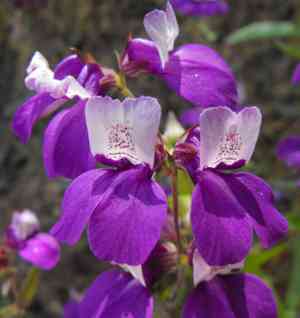
Chinese houses (Collinsia heterophylla)
Also known as: Purple chinese houses, Downy chinese-houses
The wildflower "Columbine," native to the Western United States, derives its common name from the Latin word "columba," which means "dove." The flower's unique petal shape is thought to resemble a group of doves in flight. Columbines are not only beautiful in gardens but also make excellent cut flowers for arrangements.
In This Article
Attributes of Chinese houses
Lifespan
Annual
Plant Type
Herb
Plant Height
10 cm to 50 cm
Spread
30 cm
Leaf Color
Green
Flower Size
Approximately 0.5 to 1 inch (1.3 to 2.5 cm)
Flower Color
White Purple Pink Violet
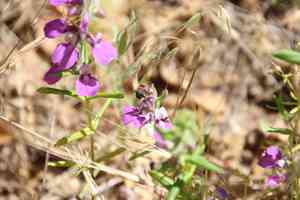
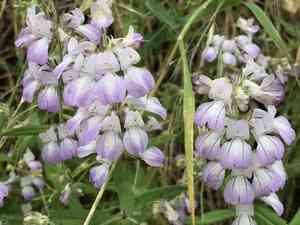
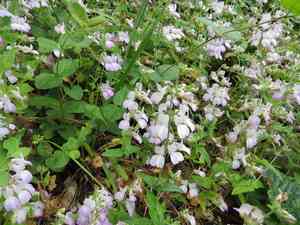
Images of Chinese houses
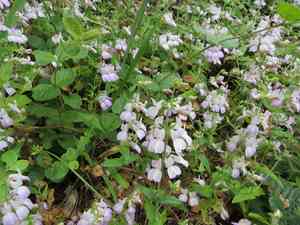
Quickly Identify Chinese houses
1
Identifiable by its bright purple and white flowers arranged in tiers or whorls, and lance-shaped leaves. The plants often grow in clusters.
Scientific Classification of Chinese houses
Phylum
Vascular plants
Class
Dicotyledons
Order
Lamiales
Family
Plantain
Genus
Blue eyed Marys
Species
Chinese houses
Planting and Growing of Chinese houses
Care Difficulty
Easy
Watering Schedule
Every 10 days
Sunlight Requirements
Partial sun
Sunshine Duration
4-8 hours
Ideal Temperature
60-75℉
Soil Type
Potting Mix, Peat Mix
Soil pH
6.5-7.5
Fertilizer Type
Balanced
Pruning Season
Spring, Summer
Pruning Area
Branches, Leaves
Pruning Frequency
2 times a year
Repotting Season
Spring
Pot Type
Plastic, Ceramic
 How to Water Chinese houses?
For Collinsia heterophylla, water until the top inch of soil feels damp but not soggy. The 250 ml should thoroughly moisten the soil without leaving standing water, providing just the right amount for healthy growth.
What are the symptoms of an underwatered Chinese houses?
›
What should I do if my Chinese houses is not getting enough water?
›
What are the symptoms of an overwatered Chinese houses?
›
How to save an overwatered Chinese houses?
›
 What Are the Sunlight Requirements for Chinese houses?
Collinsia heterophylla prefers partial sun to full shade, allowing it to thrive with a few hours of morning light while avoiding strong direct afternoon sunlight, promoting lush, vivid blooms and healthy foliage.
More About Sunlight Requirements Techniques→
Where should Collinsia heterophylla be placed ideally?
›
How to ensure Collinsia heterophylla gets ideal light indoors?
›
What are the benefits of proper lighting for Collinsia heterophylla?
›
 What Is the Ideal Temperature Range for Chinese houses?
The ideal temperature range for cultivating Collinsia heterophylla is between 60°F and 75°F. This range is conducive to healthy growth and flowering. Maintaining temperatures within this range ensures that the plant has optimal conditions for photosynthesis and nutrient absorption. Additionally, this temperature range minimizes the risk of stress and disease.
 What Soil is Best for Chinese houses?
Collinsia heterophylla thrives in well-draining soils, which prevent waterlogging and root rot. This type of soil allows excess water to move away from the roots, ensuring they stay healthy and oxygenated. This plant benefits from a soil that is rich in organic matter. Such soils provide the necessary nutrients for robust growth and vibrant blooms, enhancing the overall aesthetic appeal of the plant. Soils that can retain some moisture without becoming swampy are ideal. This balance ensures that Collinsia heterophylla receives the water it needs without suffocating the roots, fostering steady growth.
 How to Fertilize Chinese houses?
For Collinsia heterophylla, it's ideal to use a dilute liquid fertilizer with an N-P-K ratio of 10-10-10 during its growing season. Apply approximately 5 ml per liter of water to ensure proper nutrition without overwhelming the plant.
 How to Prune Chinese houses?
Begin by deadheading spent blooms to encourage new growth. Trim just above the next set of leaves to stimulate the plant's flowering potential. Shape the plant by cutting back any overgrown or unruly branches. This helps maintain a compact and attractive appearance and allows for a more balanced growth pattern. Prune to improve air circulation within the plant's structure. Remove any overcrowded or crossing branches to reduce the risk of mildew and increase light penetration to inner leaves.
More About Pruning Techniques→
 How to Propagate Chinese houses plant?
1
Fill a seed tray with potting soil up to about three-quarters full, tamping down the soil to eliminate air pockets and provide a solid base for seed placement.
2
Scatter Collinsia heterophylla seeds evenly across the surface of the soil, ensuring they are spaced apart to prevent overcrowding which might hinder growth.
3
Lightly water the seeds, ensuring even moisture distribution before covering them with a thin layer of soil that gently protects them while allowing sunlight penetration.
 How to Repot Chinese houses plant?
1
Collinsia heterophylla, commonly known as Chinese Houses, shows its need for repotting when roots begin to emerge from the drainage holes or when the plant appears to be pot-bound. This typically happens in the early spring. Repotting during this time gives the plant enough time to adjust to its new container and soil before it starts its vigorous growth phase.
2
Selecting the right pot for Collinsia heterophylla is vital. Opt for a pot that is one size larger than the current one, ensuring there is sufficient space for root expansion. The pot must have excellent drainage holes to prevent waterlogging, reducing the risk of root rot. Ceramic or terracotta pots are optimal as they offer breathability, which assists in moisture regulation.
3
Choosing the right soil for Collinsia heterophylla involves selecting a well-draining potting mix, enriched with organic matter to enhance nutrient availability. A lightweight, porous soil blend allowing for aeration supports root health and encourages robust plant growth. This type of soil prevents water stagnation and promotes effective oxygen circulation to the roots.
Learn More About Chinese houses Diseases
Anthracnose
Bacterial Leaf Spot
Bacterial Soft Rot
Bacterial Wilt
Black Spot
Chemical Injury
Damping-off
Downy Mildew
Drought Stress
Fusarium Wilt
Gray Mold
Leaf Curl
Leaf Spot
Mosaic
Nutrient Deficiency
Nutrient Toxicity
Powdery Mildew
Root Rot
Root-knot Nematode
Rusts
Sooty Mold
Spider Mites
Temperature Stress
Thrips Damage
White Mold



