The Silk-cotton tree Plant Advantage: Maximizing Home and Office Appeal and Wellness
1
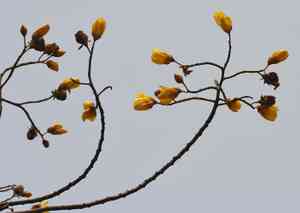
The Silk-cotton tree is recognized for its vibrant yellow blossoms and substantial environmental significance.
2
Historically employed in diverse societies, the Silk-cotton tree possesses notable therapeutic and cultural worth.
3
This plant offers a natural fiber source, which finds application in the production of textiles and cords.
What Are the Ecological Benefits of the Silk-cotton Tree?
Support for Biodiversity
The Silk-cotton tree plays a crucial role in fostering biodiversity. It offers a home for various animal species, including birds, insects, and small mammals. Its blossoms produce nectar that draws in pollinators, thereby sustaining the wider ecosystem. By maintaining the balance of plant and animal life, the Silk-cotton tree significantly contributes to environmental stability.
Soil Enrichment and Erosion Control
The extensive root system of the Silk-cotton tree helps to stabilize the soil, preventing erosion. Furthermore, the fallen leaves from the tree decompose and return valuable nutrients to the soil, boosting its fertility. This natural process supports agricultural activities and promotes sustainable land use.
Why Is the Silk-cotton Tree Important in Traditional Medicine?
Historical and Cultural Significance
The Silk-cotton tree has long been incorporated into traditional medical practices across Asia and Africa. Various parts of the plant, such as the bark, leaves, and flowers, have been utilized in traditional remedies aimed at alleviating numerous ailments. These remedies have been passed down through generations, signifying the plant's enduring importance in cultural heritage.
Natural Resource for Wellness
Beyond its historical context, the Silk-cotton tree continues to be valued for its wellness properties. Different plant parts are known to be used in natural skincare solutions, spiritual practices, and more. Although scientific studies are ongoing, the anecdotal evidence supporting these uses suggests a promising future for the Silk-cotton tree in holistic health.
How Is the Silk-cotton Tree Utilized in Various Industries?
Textile and Fiber Production
One of the remarkable practical uses of the Silk-cotton tree is in the textile industry. The silk-cotton that comes from the treeâs seed pods serves as a sustainable fiber alternative. Traditionally used to make fabrics, this natural fiber is lightweight, durable, and eco-friendly. This utilization underscores the plant's economic value and its potential in sustainable manufacturing.
Art and Craft
In addition to textiles, the Silk-cotton tree is also pivotal in the realm of arts and crafts. Its wood is used for carving intricate designs and creating various cultural artifacts. The vibrant yellow flowers and other parts are sometimes used in dyeing fabrics and materials, adding natural beauty to handicrafts. This wide range of applications makes the Silk-cotton tree a versatile and invaluable resource across different creative industries.
What Are the Environmental Contributions of the Silk-cotton Tree?
Climate Regulation
The Silk-cotton tree contributes to climate regulation through carbon sequestration. By absorbing carbon dioxide from the atmosphere, the tree helps mitigate the impacts of climate change. This function is crucial in today's environmental landscape, where reducing carbon footprints is a global priority.
Water Conservation
The deep-rooted system of the Silk-cotton tree aids in water conservation by improving groundwater recharge. This is particularly vital in arid and semi-arid regions, where water resources are limited. By enhancing soil moisture retention and reducing runoff, the Silk-cotton tree supports sustainable water management practices and promotes a healthier ecosystem.



